
Maker of intricate wood details
You want to capture the grain, joints or fine carving so each detail is clearly visible. Close focusing and room for lighting are more important here than a long telephoto reach.


Choose based on the smallest detail you want to photograph and how much room is left on the shared workbench for your camera and lighting. A camera with a documented close-up mode may suit fine wood details; if you want to switch between wider shots and close-ups, the focusing distance at your chosen zoom setting and consistent exposure also matter. A minimum focusing distance alone does not guarantee that your miniature will fit the frame or get enough light.
You want to capture the grain, joints or fine carving so each detail is clearly visible. Close focusing and room for lighting are more important here than a long telephoto reach.
You want to be able to move your camera setup between sessions, then recreate overview shots later with similar framing and lighting.
You want to photograph miniatures on different days, keeping wood colours consistent and enough of the shape in focus.
First decide whether fine details or the ability to switch between overview shots and close-ups matters most. Then measure how much workbench space the camera, support and lighting will take up together.
| Buying concern | What should you look for? | Who is this most relevant to? |
|---|---|---|
| Capturing fine wood details | Compare the focusing distance at the zoom setting you use, then check the framing and shadows in a test shot. | If I want to show the grain or fine carving clearly, I look at both focusing and the space available to light the subject. Around 36% of consumers prioritise details. |
| Workbench space and repeatability | Measure the space for the camera, support and lighting; check whether the setup can be moved and put back in the same place. | If my workbench is shared, I want to be able to move the camera after use and recreate the same framing later. Around 29% of consumers prioritise space and repeatability. |
| Wood colour and lighting | Check whether you can reset the white balance and exposure in consistent lighting. Assess any built-in light on the actual subject. | If I photograph the same type of wood on different days, I want to minimise colour shifts caused by changing light. Consistent colour reproduction is the main buying concern for around 21% of consumers. |
| Sharpness across the shape | Check whether the model offers focus bracketing and whether images are also combined in-camera; use support for a series of shots. | If I want a miniature to be sharp from front to back, I want to know whether I’ll need multiple shots and any post-processing. Around 14% of consumers prioritise sharpness across the whole shape. |
The distance can change with the zoom setting and, on its own, tells you nothing about framing or room for lighting. A camera may focus close up without framing your miniature properly.
Check focus, framing and lighting together at the distance you actually plan to shoot from.
Even a compact camera needs room for support, the subject and lighting. A tripod can help keep the framing and background consistent in product photos, but it takes up space too.
Measure the available workbench space beforehand and decide where you can temporarily place the camera, support and lighting.
Focus bracketing takes shots at different focusing distances; combining them into one image is a separate step. Canon specifies focus bracketing for the PowerShot G7 X Mark III, but this does not confirm that the camera automatically combines the images.
Check both features separately for the exact model, and keep the camera steady throughout the sequence.
Combining the shots may require extra post-processing time.
The Tough TG-7 is a compact option to compare if you want to photograph wood details from very close up.
The WG-8 is worth comparing if a dedicated close-up mode and built-in lighting are important to you.
The PowerShot G7 X Mark III is worth considering if you want to switch between overview shots, manual focus and focus bracketing.
The RX100 VII is an option to compare if you also want to frame shots from further away with a compact camera.
The Joybuy products below are cameras for photography and video. Before buying one for wooden miniatures, check its focusing distance, framing and the space available for lighting.
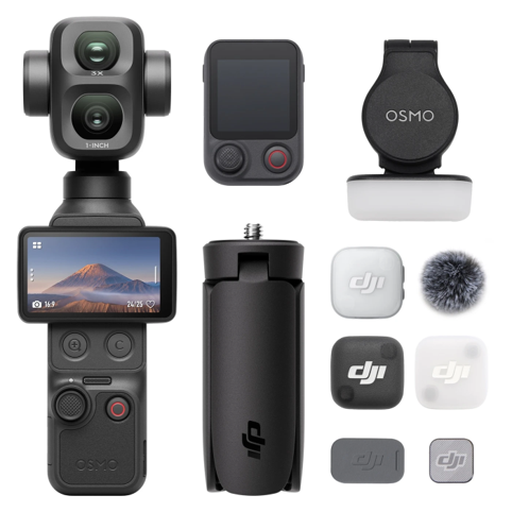 No image available
For close-up photos of wooden miniatures, check the focusing distance and framing at your intended shooting distance.
 No image available
For photographing small wood details, check that the focusing distance and framing suit your workbench setup.
The product name mentions a 1-inch CMOS sensor, 4K/120fps video, 3-axis stabilisation and a 2-inch rotating touchscreen.
 No image available
If you’re considering this camera for fine wood details, first check the focusing distance and whether it can achieve the framing you want.
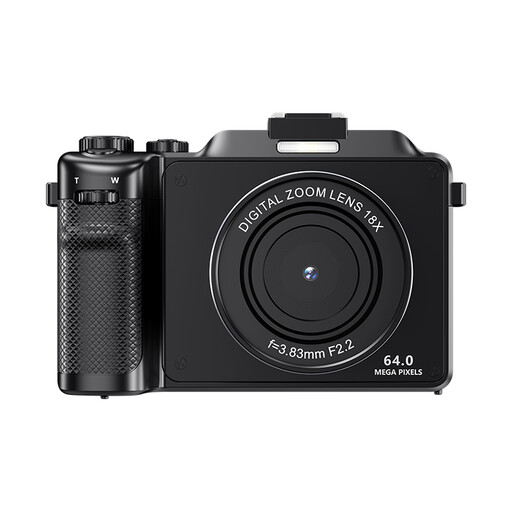 No image available
For wood details, check the focusing distance and whether you can achieve the framing you need.
The product description warns that 18X digital zoom may reduce image quality, which could matter when cropping images of fine details.
No. It tells you how close a particular camera mode can focus, not whether the whole miniature will fit in the frame or leave room for lighting. Compare the framing and lighting with your smallest subject.
If space allows, use a stable support and note where the subject, camera and lighting are positioned. Canon’s product photography guide recommends a tripod to help keep framing and backgrounds consistent; stability is also important when taking a focus-bracketing sequence.
Keep the lighting as consistent as possible and check the white balance again whenever the light changes. Nikon explains that white balance takes the colour of the available light into account.
According to the Government of the Netherlands, you are entitled to a product that works as it should; there is no fixed statutory guarantee period in the Netherlands. If a product is faulty, the seller must provide a solution. A manufacturer’s guarantee is in addition to your statutory rights.
No, this does not automatically apply in every situation. According to the Government of the Netherlands, when you buy from a business at a distance, you will often have a 14-day cooling-off period. Before buying, check who the seller is and which returns information applies.