If you regularly take photos in blowing sand or damp conditions, first check the dust and water protection rating for the exact model. In calmer conditions, you can give more weight to the field of view, maximum aperture and optical zoom; choose a zoom range based on what you want to capture from accessible paths. None of these specifications on its own guarantees a sharp handheld photo.
Who is this relevant to?
Walker in wind and sand
You take photos even when sand is blowing or conditions are wet, and prioritise the camera’s stated protection over extra telephoto reach. Consumentenbond describes dust and water resistance as relevant features for use in these conditions.
Landscape photographer sticking to the path
You want to switch between sweeping dune landscapes and distant details while staying on accessible routes. The field of view and optical zoom determine the framing you can achieve from where you’re standing; Staatsbosbeheer says access rules vary by area.
Photographer in changing light
You take handheld photos as the light changes along the coast, so you compare the aperture, stabilisation and sensor of specific models. These specifications alone don’t guarantee a particular result.
What should you look for when choosing?
Rugged compact camera
Choose this option: if blowing sand, splashes or wet walks are a regular part of your photography. OM SYSTEM lists the Tough TG-7 as dustproof and water-resistant, with a 25–100 mm full-frame equivalent lens range.
Bear in mind: its range is shorter than that of the travel zoom cameras mentioned; also follow the model’s usage conditions and care instructions.
Compact zoom for landscapes and changing light
Choose this option: if you mainly want to take wide dune shots and capture details at medium distances, and dust protection isn’t a top priority. Canon specifies a 24–100 mm range and f/1.8–2.8 aperture for the PowerShot G7 X Mark III; Sony lists 24–200 mm and f/2.8–4.5 for the RX100 VII.
Bear in mind: the Sony’s maximum aperture changes as you zoom in; these specifications don’t establish that either model is dustproof.
Travel zoom from one spot
Choose this option: if you want to frame distant dune details more tightly while staying on an authorised path. Panasonic lists a 24–720 mm range for the LUMIX DC-TZ99 when taking photos in 4:3; Canon specifies 24–960 mm for the PowerShot SX740 HS Lite Edition.
Bear in mind: according to their manufacturers, both models have a 1/2.3-type sensor; extra telephoto reach alone says nothing about low-light performance.
Fixed field of view
Choose this option: if you usually compose shots using a single field of view and can change your position. Fujifilm specifies a fixed 35 mm full-frame equivalent field of view, an APS-C sensor and image stabilisation for the X100VI.
Bear in mind: there’s no optical zoom, so you can’t always adjust your composition from a path by moving closer.
| What to consider |
What to look for |
Who is it for? |
| Sand and damp conditions |
Check the dust and water resistance, usage conditions and care instructions for the exact model. |
If I want to take photos in blowing sand or damp conditions too, stated protection matters more than extra telephoto reach. Around 33% of consumers put protection from sand and moisture first. |
| Framing from the path |
Compare the wide-angle and telephoto ends in full-frame equivalent; for the TZ99, check the aspect ratio on which the range is based. |
If I want to capture both a sweeping landscape and distant details from the same accessible spot, I look at both ends of the zoom range. Around 25% of consumers prioritise framing from the path. |
| Handheld photography in changing light |
Compare the maximum aperture at both ends of the lens, the sensor type and the stated image stabilisation. |
In changing coastal light, I want to know what features a model has before taking handheld photos; stabilisation alone doesn’t guarantee a sharp shot. Around 25% of consumers focus mainly on handheld photography in changing light. |
| Portability and handling |
Compare the weight including the battery and memory card, and consider whether a fixed field of view or zoom suits your route. |
If I want to carry and use the camera easily on a walk, handling matters as well as the zoom range. Around 17% of consumers prioritise portability and handling. |
Common buying mistakes
-
Assuming lots of zoom is the right choice for every dune shot
A long telephoto zoom helps you capture distant details, while wide shots and photography in lower light call for other features. The zoom cameras mentioned differ in their sensors and apertures.
First decide what you want to photograph from where you’ll be standing. Then compare the optical range, aperture and stabilisation of the exact model.
-
Assuming a standard compact camera is dustproof
The OM SYSTEM Tough TG-7 is explicitly listed as dustproof; this feature doesn’t automatically come with a compact body or a wide zoom range.
If you regularly encounter blowing sand, check the protection claim and usage conditions for the specific version.
-
Confusing digital magnification with optical zoom
Canon lists 40× optical zoom and 80× ZoomPlus separately for the PowerShot SX740 HS Lite Edition.
To compare zoom range, look at the stated optical focal lengths in full-frame equivalent, not just the highest magnification figure.
-
Assuming every camera comes with a fixed two-year warranty
ACM ConsuWijzer distinguishes between statutory guarantees and manufacturer or retailer warranties. Normal use and the lifespan you could reasonably expect are relevant.
Check who the seller is and keep your purchase information and the applicable warranty terms.
Camera brands to consider
OM SYSTEM
The Tough TG-7 is worth considering if its stated protection for coastal use is important to you.
- OM SYSTEM specifies that the TG-7 is dustproof and water-resistant to 15 m, with a 25–100 mm lens range.
- These are model specifications, not an independent comparison; its telephoto reach is shorter than that of the travel zoom cameras mentioned.
Canon
The PowerShot G7 X Mark III and SX740 HS Lite Edition offer different zoom capabilities and aren’t directly comparable.
- Canon Netherlands specifies a 24–100 mm range and lens stabilisation for the G7 X Mark III; Canon lists 24–960 mm for the SX740 HS Lite Edition.
- The G7 X Mark III has shorter telephoto reach; these specifications don’t provide a measured indication of image quality.
Sony
The RX100 VII is worth considering if you’re looking for a compact zoom camera with a range of up to 200 mm.
- Sony Netherlands specifies a 24–200 mm range and an aperture of f/2.8 at the wide end, rising to f/4.5 at the telephoto end.
- The aperture changes as you zoom in; the specifications listed don’t establish dust resistance.
Panasonic
The LUMIX DC-TZ99 is a travel zoom model to consider if you want to frame details further away.
- For photos in 4:3, Panasonic specifies an optical range of 24–720 mm and a 1/2.3-type sensor.
- The stated range applies to the specified aspect ratio; zoom range alone says nothing about low-light performance.
FUJIFILM
The X100VI suits anyone who deliberately chooses a fixed field of view instead of optical zoom.
- Fujifilm specifies a fixed 35 mm full-frame equivalent field of view, an APS-C sensor and image stabilisation.
- Without optical zoom, you can’t always adjust your framing from a path by moving closer.
Cameras at Joybuy
This selection includes compact cameras and action cameras for handheld photography, with a range of zoom, field-of-view and protection features. Check the specifications of each model to see which features suit your coastal use.
 No image available
KOMERY G7-A 4K digital camera, Pink
This portable point-and-shoot camera is designed for taking photos and videos.
The product name lists 80 MP, 4K video and 18× zoom. The product information advises keeping the camera away from water and moisture.
View at Joybuy
 No image available
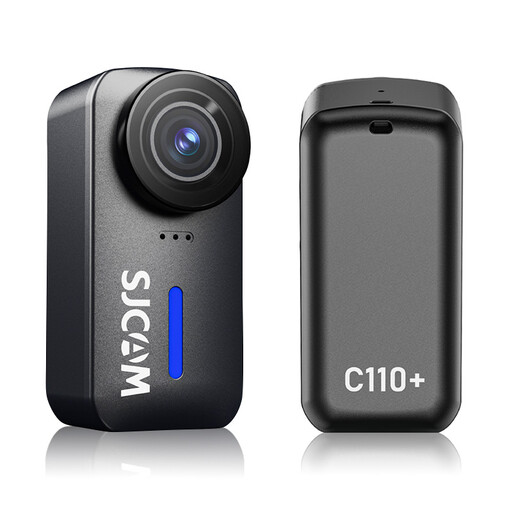
SJCAM C110+ 4K action camera
The stated 170° field of view is useful if you want to capture a wide scene.
The product information lists f/1.8, gyro-based EIS, 20 MP photos and a weight of 82 g. The stated water resistance to 30 m applies when using the supplied housing.
View at Joybuy
 No image available
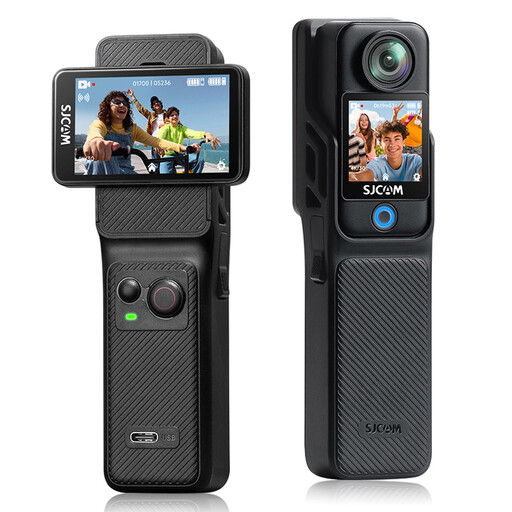
SJCAM C400 4K action camera
The product information lists 16 MP photos and a 154° field of view for wide scenes.
According to the product information, the camera measures 14,4 × 3,9 × 3,9 cm. The stated water resistance to 30 m applies when using the supplied housing.
View at Joybuy
 No image available
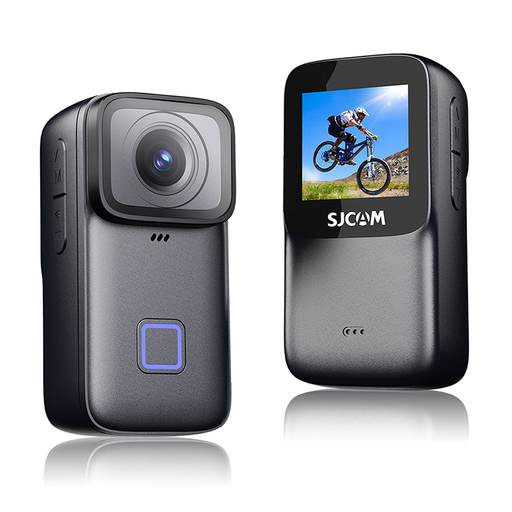
SJCAM C200 Pro 4K action camera
The product information lists 20 MP photos and a 135° field of view.
The stated water resistance is up to 5 m without a housing and up to 40 m with the supplied housing. The product information also lists 6-axis EIS.
View at Joybuy
 No image available
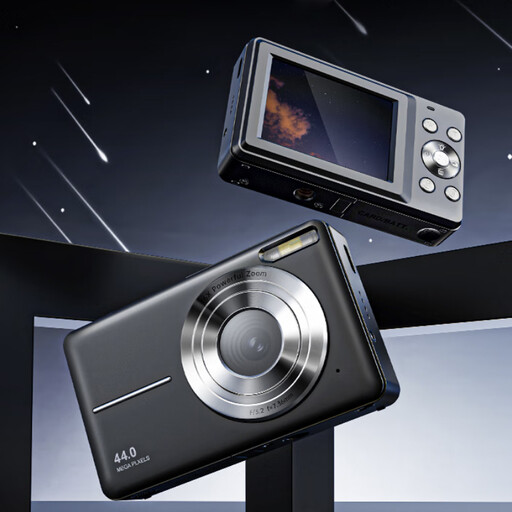
Songdian Pocket Camera 4K
This pocket model is designed as a compact camera set-up for photos and video.
The product name lists 44 MP and 4K; the product information describes the 16× zoom as digital.
View at Joybuy
Frequently asked questions
Which lens angle should you choose for a sweeping dune landscape?
Compare the wide-angle setting in full-frame equivalent from the spot where you’re actually allowed to stand. According to their manufacturers, the zoom models mentioned start at 24 or 25 mm; the FUJIFILM X100VI has a fixed 35 mm field of view. Whether the view fits in the frame also depends on where you’re standing.
How do you remove sand from your camera or lens?
Sony recommends using a standard air blower for loose dust and a brush for the exterior, and advises against using compressed air. Also follow the care instructions for your own model, especially before rinsing a water-resistant camera.
What can you do if a camera you bought online isn’t suitable?
According to ACM ConsuWijzer, online purchases often come with a 14-day cooling-off period after delivery. Statutory guarantees also cover faulty products that have been used normally; the retailer is your point of contact. These rules don’t provide for a fixed statutory two-year guarantee on every camera.
Can you walk anywhere in the Dutch dunes to take a photo?
Don’t assume you can walk off the paths wherever you like. Staatsbosbeheer says the access signs for each area should be followed; in the Schoorlse Duinen, walking is generally permitted only on official paths, with certain areas listed as exceptions. Check the rules for the dune area you’re visiting.


