For capturing whole façades from a quayside or narrow street, the wide-angle setting is a sensible place to start; for details on buildings across the water, optical zoom range matters more. Then compare sensor size, lens aperture, stabilisation and portability, bearing in mind the light and length of your walk. None of these specifications on its own prevents perspective distortion when you point the camera upwards.
Who is this choice relevant to?
Photographers who want the whole façade in one shot
You’re walking along narrow canals and want to capture the entire building, including its gable. Compare the wide-angle setting and consider whether you’ll have enough room from your usual viewpoint; the Consumers’ Association lists zoom range as one factor to consider when choosing a camera.
Walkers who also take photos at dusk
If you take photos as the light fades, compare sensor size, lens aperture and stabilisation. Canon Netherlands, Sony Netherlands and Ricoh describe these features for their own models; their information is not, in itself, an independent image-quality test.
Those looking for architectural details
You want to capture ornaments or brickwork on the other side of the canal, and you can’t always get closer. So compare the optical zoom range, as the Consumers’ Association also recommends when choosing a camera.
What should you look for when choosing?
Start with the field of view from where you’ll actually be standing. Then compare the zoom range, sensor and lens aperture for low-light conditions, along with the weight or weather protection for your walk.
| What to consider |
What to look for |
Who is this most important for? |
| Getting the whole façade in shot |
Compare the shortest focal length in 35mm equivalent and assess the framing from a practical viewpoint. |
If I want to photograph the whole building from the quayside, I’ll look at the wide-angle setting first. Around 36% of consumers say capturing whole façades is their main purchase priority. |
| Taking photos as the light fades |
Compare sensor size and lens aperture; also check whether image stabilisation for photos is listed. |
In low light, I want to take the sensor and lens aperture into account, without treating them as a guarantee of a sharp image. Around 29% of consumers prioritise taking photos as the light fades. |
| Details at a distance |
Compare the longest focal length in 35mm equivalent, not just the zoom factor. |
If I can’t get closer to an ornament across the canal, optical zoom is important to me. Around 21% of consumers say distant architectural details are their main purchase priority. |
| Carrying it around and wet weather |
Compare the weight including battery and card, where specified, and check the protection rating of the exact model. |
For a long walk, I want to consider the weight; in wet weather, I’ll also check the stated protection rating. Around 14% of consumers prioritise portability or weather resistance. |
Pitfalls when choosing
-
Looking only at the zoom factor
A high zoom factor doesn’t tell you on its own how wide the camera can frame a scene, or what sensor and lens aperture the model has.
Compare both the shortest and longest focal lengths in 35mm equivalent, as well as sensor size and lens aperture.
-
Expecting a wide-angle lens to straighten leaning façades
Pointing the camera upwards affects the perspective of vertical lines. Canon Netherlands advises keeping the camera level when photographing architecture if straight lines are important.
Assess the field of view from where you’ll actually be standing and try to keep the camera level; then check whether the building still fits in the frame.
-
Mistaking a related model for the same camera
The Panasonic TZ99 and TZ300 are different models, with different stated sensor and zoom specifications.
Check the full model code before comparing specifications or offers.
-
Overlooking what’s included and the purchase terms
A suitable memory card or spare battery may need to be bought separately. An additional warranty offer is also different from your statutory guarantee.
Check what’s in the box for the exact model and keep your proof of purchase. Consider any additional warranty offer alongside your existing rights.
Check whether a memory card and battery are included with the version you’ve chosen; what’s in the box can vary by model.
Camera brands to consider
Canon
According to Canon Netherlands’ specifications, the PowerShot G7 X Mark III could suit you if you’re looking for a 24mm wide-angle lens and some zoom in one compact camera.
- Canon specifies a 1.0-type sensor, 4.2× zoom, an f/1.8–2.8 lens aperture and a weight of around 304 g, including battery and card.
- The wide-angle setting doesn’t guarantee that a tall façade will fit in the frame from every viewpoint.
Sony
According to Sony Netherlands, the RX100 VII combines a 24–200 mm-equivalent optical zoom, designed for those who want to frame both wider views and distant details with one lens.
- Sony lists a 1.0-type sensor, optical stabilisation for photos and an f/2.8–4.5 lens aperture.
- Consider the lens aperture at the focal length you’ll use; the specifications are not an independent image-quality test.
Ricoh
According to Ricoh, the GR IV is a compact camera with a fixed 28mm-equivalent lens and an APS-C-size sensor, suited to those who can work with a single field of view.
- Ricoh lists sensor-shift stabilisation.
- The fixed lens has no optical zoom; check whether 28 mm is wide enough for your viewpoints along the canal.
Panasonic
According to Panasonic, the LUMIX TZ99 is a travel zoom camera for those who want to frame architectural details larger from the same spot.
- Panasonic specifies 30× optical zoom and a 24–720 mm equivalent for 4:3 photos.
- The TZ99 has a 1/2,3-inch sensor and a stated f/3.3–6.4 lens aperture. The TZ300 is a separate model, not another version of the TZ99.
OM SYSTEM
The Tough TG-7 is a rugged compact camera for buyers who want protection on wet outings.
- OM Digital Solutions lists waterproofing to 15 m, IP6X dust protection and a 25–100 mm-equivalent zoom.
- These manufacturer specifications are not an independent comparison of architectural detail or low-light performance.
Camera options at Joybuy
The Joybuy products shown are portable camera options, including vlogging and action cameras. Check that the camera type suits your needs for still architectural photography.
 No image available
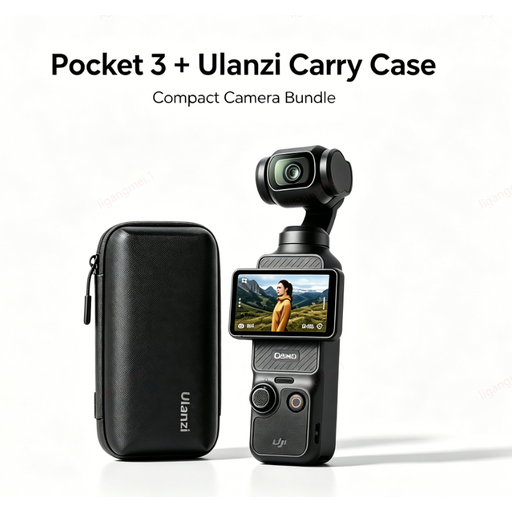
DJI Pocket 3 camera with Ulanzi storage case
The product name specifies a DJI Pocket 3 camera with a Ulanzi storage case; compare the camera type with your needs for still photos of façades.
View at Joybuy
 No image available
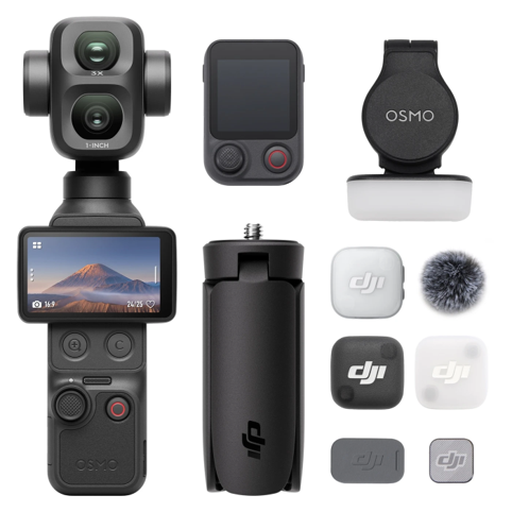
Osmo Pocket 4P Vlog Combo, black
The product name describes a vlogging combo; check whether this camera type suits your needs for still architectural photos.
Version as listed in the title: Vlog Combo, black.
View at Joybuy
 No image available
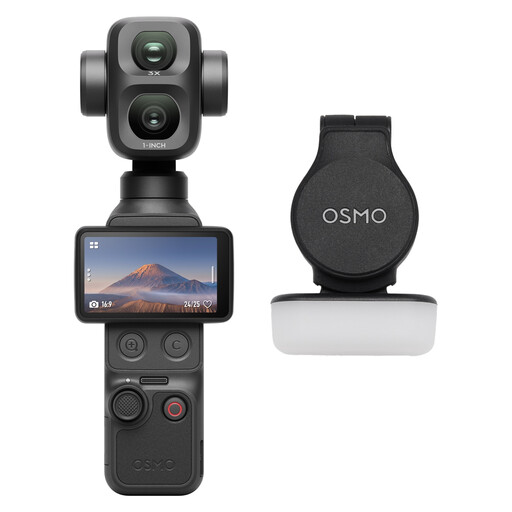
Osmo Pocket 4P Standard Combo, black
The product name describes a vlogging camera; compare the camera type with your needs for still photos of façades.
Version as listed in the title: Standard Combo, black.
View at Joybuy
 No image available
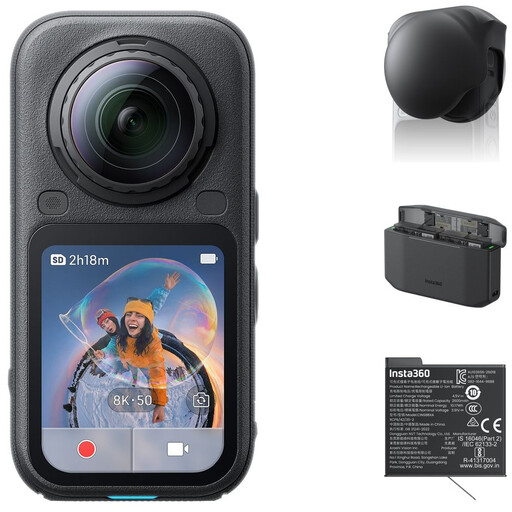
Insta360 X6 All-in-One Bundle
The product name specifies an Insta360 camera; check whether this camera type suits your needs for still architectural photos.
The bundle name lists a Standard Bundle, Lens Cap, Xtreme Battery and Fast Charge Case.
View at Joybuy
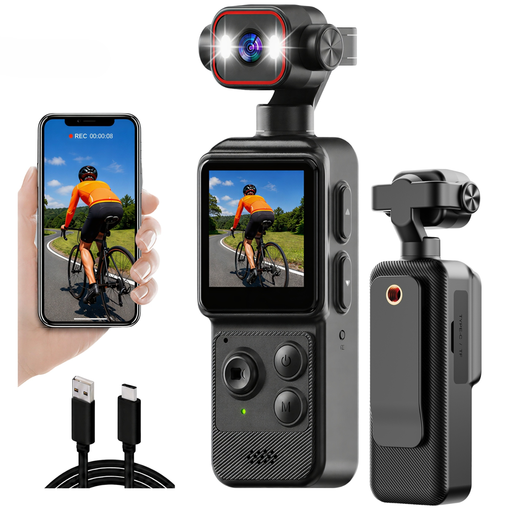 No image available
Mini 4K action camera with clip
The product name describes a mini action camera; consider whether this camera type suits the way you photograph buildings.
The title lists a 140° wide-angle lens, a 1.54-inch screen, app control, LED light and a 1200 mAh battery.
View at Joybuy
Frequently asked questions
Why do canal houses sometimes look as if they’re leaning backwards in a photo?
Pointing the camera upwards changes the perspective of vertical lines. Try keeping the camera level from a suitable viewpoint and check whether the building still fits in the frame; the wide-angle setting won’t correct the perspective by itself.
What should I check before heading out for a weekend?
For the exact model, check that your memory card has enough space, the battery is charged and there’s enough capacity for your photos. The card and capacity you need can vary depending on how you use the camera.
How should I look after the camera after my walk?
Follow the cleaning instructions in the manual for your model. Canon Netherlands advises switching off the device and removing the battery before cleaning Canon camera equipment; don’t assume this applies to every model without checking.
What are my rights when buying online in the Netherlands?
According to ACM ConsuWijzer, online consumer purchases generally come with a statutory cooling-off period of up to 14 days after delivery, although exceptions apply. Statutory guarantees also apply if a product, when used normally, doesn’t do what you could reasonably expect; the seller is your point of contact.
Can I share photos of canal houses publicly if passers-by are recognisable?
The Dutch Data Protection Authority describes an exception for photos you keep private or share only with a very limited group. That exception doesn’t apply when images of identifiable people are shared more widely; in that case, consider the relevant privacy rules and legal basis. This doesn’t mean that every street photo is prohibited or can be published freely.


