
Miniature detail photographer
You want to show wood grain, small joints or painted details clearly. Control over close focusing and depth of field is important. OM Digital Solutions describes focus stacking for the TG-7.


When choosing a camera for wooden miniatures, consider both the smallest details you want to photograph and the distance you have available to fit the whole piece in the frame. For tiny details, it’s worth looking into a documented close-up mode with focus stacking; for wider shots, framing, focusing controls and white balance all matter. A short minimum focusing distance alone doesn’t prove that a detail will appear large enough or that the whole subject will be in focus.
You want to show wood grain, small joints or painted details clearly. Control over close focusing and depth of field is important. OM Digital Solutions describes focus stacking for the TG-7.
You need both recognisable overview shots and usable crops, while preserving the wood’s colour under the available lighting. Canon Nederland specifies manual focus for the PowerShot G7 X Mark III; Nikon USA explains how white balance can affect colour rendition.
You want to take a camera with a fixed lens and switch between different compositions on the spot, without setting up a separate lens kit. Consumentenbond describes the fixed-lens design as a feature of compact cameras.
When to choose it: If tiny grain patterns, joints or painted details are your priority, the OM SYSTEM Tough TG-7 is worth comparing. OM SYSTEM lists macro modes and built-in focus stacking.
Things to consider: The fixed lens cannot be changed. OM SYSTEM lists a 12-megapixel resolution, so also check whether the crop you want will suit your planned print size.
When to choose it: If you often photograph an entire miniature or exhibition display, Canon says the PowerShot G7 X Mark III has a 24–100 mm-equivalent zoom, manual focus and focus bracketing.
Things to consider: Canon gives a minimum focusing distance of 5 cm at the wide-angle end and 40 cm at the telephoto end. Check the crop at the zoom setting you plan to use; focus bracketing is not the same as automatically combined focus stacking.
When to choose it: If you want to frame subjects at a distance as well as miniatures, Sony lists a 24–200 mm-equivalent zoom for the RX100 VII.
Things to consider: Sony gives a minimum focusing distance of approximately 8 cm at the wide-angle end and approximately 100 cm at the telephoto end. So assess magnification for small details separately from the zoom range.
First decide which shot matters most for your exhibition: a tiny detail, the colour of the wood or the whole piece.
| Feature to consider | What to look for | Who is this important for? |
|---|---|---|
| Fine details | Compare the close-up mode and focusing distance at the zoom setting you want to use. A short distance alone doesn’t tell you how much detail will fill the frame. Canon Nederland and Sony Nederland specify different distances for different zoom settings; OM Digital Solutions describes focus stacking for the TG-7. | If I want to fill the frame with wood grain or a small carving, I check the magnification at the zoom setting I’ve chosen. For around 31% of consumers, capturing detail is the top purchase priority. |
| Wood colour | Take a test shot under the final lighting and check the white balance, using a neutral reference if needed. Nikon USA explains that white balance settings can produce different colour renditions under different light sources. | If I want the wood’s colour and finish to look true to life, I test the camera under the lighting I’ll use for the exhibition. For around 25% of consumers, colour rendition under the available lighting is the top priority. |
| The whole piece | Measure the available shooting distance and compare wide-angle and telephoto settings. Canon Nederland lists a 24–100 mm-equivalent zoom and Sony Nederland a 24–200 mm-equivalent zoom; at the telephoto end, also check the minimum focusing distance. | If I want to show a complete miniature or a small group display, I check the framing from my available shooting distance. For around 25% of consumers, capturing the whole piece is the top purchase priority. |
| A compact workflow | Check the lens range, controls and what’s included with the version you choose. For close-ups, make sure the camera is stable; OM SYSTEM highlights the importance of this for focus stacking. | If I want to take overview and detail shots without spending long setting up, I look for a workflow with few separate camera accessories. For around 19% of consumers, a compact, straightforward workflow is the top purchase priority. |
For models such as the Canon PowerShot G7 X Mark III and Sony RX100 VII, the stated distance depends on the zoom setting. On its own, that distance doesn’t tell you how much of the piece will fill the frame.
Compare the framing at the zoom setting you plan to use and check a test shot of a detail at actual size.
Canon describes focus bracketing for the G7 X Mark III; the OM SYSTEM TG-7 manual describes combining shots taken at different focus positions. These aren’t automatically the same features.
Check the exact model to see whether it only takes a series of photos or also saves a composite image itself.
White balance affects colour rendition, and stability matters when using focus stacking. Choosing a camera without planning the shooting setup may therefore mean more preparation.
Test the camera with your wooden piece under the final lighting. When taking multiple shots at different focus positions, keep the camera stable and check the combined result.
The Tough TG-7 is worth comparing if tiny, stationary details matter more to you than having an interchangeable lens.
The PowerShot G7 X Mark III is worth considering if you want to combine overview shots with adjustable focus and close-ups at the wide-angle end.
The RX100 VII is worth considering if you want to frame subjects further away as well as take tabletop shots.
The WG-8 is a rugged compact camera worth comparing if you won’t be shooting exclusively in a dry indoor setting.
This Joybuy selection includes digital cameras and a mini vlog camera. For each model, check whether its close-up distance and focusing controls are suitable for your wooden miniatures.
 No image available
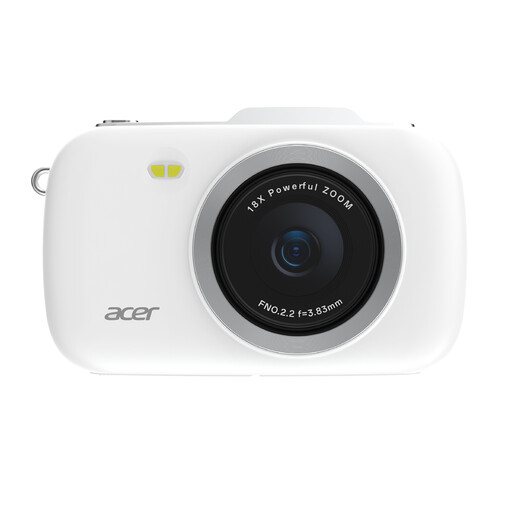
The product name describes a digital point-and-shoot camera; check the close-up distance and focusing controls for small details in wood.
The product name lists 4K and 18X zoom.
 No image available
The product name describes a digital point-and-shoot camera; check the close-up distance and focusing controls for small details in wood.
The product name lists 4K and 18X zoom.
 No image available
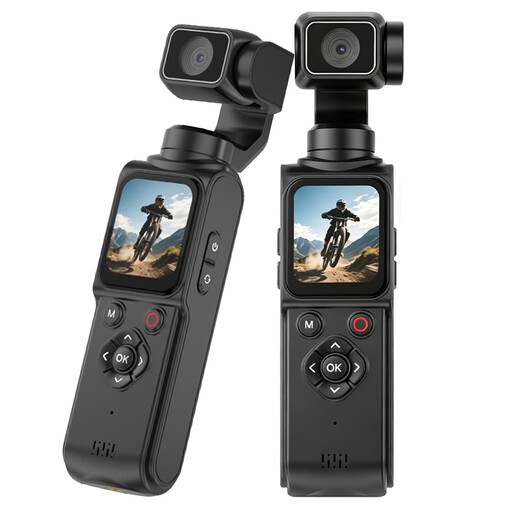
The product name describes this as a mini vlog camera; check the close-up distance and focusing controls for miniature photography.
The product name lists Wi-Fi, 64 MP, a 330° rotating lens, a 1.72-inch touchscreen and Type-C.
Not necessarily. Compare the framing at the zoom setting you’ll actually use: Canon and Sony give different minimum distances for their models at the wide-angle and telephoto ends. A test shot of a detail at actual size is more useful than comparing only the shortest focusing distance.
Keep the camera and piece steady. According to the OM SYSTEM manual, the TG-7 can combine shots taken at different focus positions; the manufacturer highlights the importance of stability and warns that the composite can sometimes have unwanted edges. Check the result before using the photo for your exhibition.
Take a test shot under the final lighting and check the white balance, using a neutral reference if needed. Nikon USA shows that automatic and preset white balance can produce different colour renditions under different light sources.
According to ACM ConsuWijzer, online purchases usually come with a statutory cooling-off period of up to 14 days after delivery, although there are exceptions. You’re also entitled to a statutory guarantee if a product doesn’t meet what you could reasonably expect under normal use; in the Netherlands, this doesn’t automatically mean a fixed two-year period.
Not without checking first. Auteursrecht.nl explains that you’ll usually need permission from the rights holder to publish or distribute photos of works of art. If the work belongs to another maker, agree in advance how you plan to use the photos; permission depends on the work and the rights involved, not on the camera model.