
Makers focusing on small details
You want to capture wood grain, joints or painted details in close-up. Check that the camera can focus from your fixed distance at the zoom setting you’ve chosen.


Start by checking whether the camera can focus from your fixed position and frame the miniature at the size you want: the closest macro focusing distance doesn’t necessarily apply at every zoom setting. For miniatures with plenty of depth, a stable setup and focus stacking or focus bracketing are important considerations. If you’re taking a series of photos, consistent focus, exposure and lighting matter too.
You want to capture wood grain, joints or painted details in close-up. Check that the camera can focus from your fixed distance at the zoom setting you’ve chosen.
You want to get different parts at varying distances in focus, and can keep the subject still while taking the photo. Focus stacking or focus bracketing may be useful here.
You photograph several pieces from the same position and want to set up the background, lighting and focus in the same way each time.
First, assess the focus and framing from your fixed shooting distance. Then consider whether you need extra depth of field, repeatable settings or a complete setup.
| What to consider | What should you check? | Who is this important for? |
|---|---|---|
| Focus and framing | Compare the closest focusing distance at your chosen zoom setting with the framing from your fixed camera position. | If I want to capture wood grain or small painted details in close-up, the camera must focus from my fixed position and achieve the framing I want. Around 36% of consumers prioritise this ability to capture detail directly. |
| Sharpness throughout the depth | Check whether the model offers focus stacking or focus bracketing, and whether it combines the shots itself. | If I want both the front and the more distant parts of a miniature to be in focus, the feature and a stable setup are important. Around 29% of consumers give depth of field their highest priority. |
| Consistent images | Check the manual focus, white balance and exposure options; plan your background and lighting position too. | When photographing a series of pieces, I want to keep the composition and lighting conditions consistent. Around 21% of consumers prioritise this kind of repeatable result. |
| Setup and accessories | Check which charging and storage items are included, and whether you already have mounting equipment and lighting. | If I want to set up my regular photography spot easily, I want to know in advance what I already have and what’s in the box. Around 14% of consumers give simplicity of the overall setup their highest priority. |
For the Panasonic LUMIX DC-TZ99 and Sony RX100 VII, the stated minimum focusing distance differs between wide-angle and telephoto. From the same fixed camera position, changing the zoom setting can therefore affect both your framing and the camera’s ability to focus.
Compare the focusing distance and the framing you want at the zoom setting you actually plan to use.
The OM SYSTEM manual describes focus stacking on the TG-7 as combining shots taken at different focus points. Canon’s specifications list focus bracketing for the PowerShot G7 X Mark III, but this doesn’t confirm that the camera combines the images automatically.
Check what the feature produces on the exact model, and whether you’ll need to select or combine the images yourself.
Focus bracketing may require extra time or software to combine the shots.
For small subjects, Nikon recommends a stable camera, a plain background and an adjustable lamp as parts of a photography setup. OM SYSTEM notes that the TG-7 doesn’t come with a separate charger or internal memory.
Check what’s included with the exact package, then make a list of any mounting, charging, storage and lighting equipment you already have.
You may need additional equipment for stable mounting, lighting, charging or storage. What you need depends on your existing setup and what’s included with the camera.
The LUMIX DC-TZ99 combines close-up features with focus stacking.
The TG-7 is designed for very close-up detail and shots taken at different focus points.
The PowerShot G7 X Mark III offers manual focus and focus bracketing; the SX740 HS Lite Edition has a macro mode for wide-angle shots.
Ricoh Imaging describes the WG-90 as suitable for individual, very close-up detail shots.
The X100VI has a fixed lens and may suit you if you can plan your composition in advance.
The RX100 VII has a 24–200 mm-equivalent zoom range, but that range alone doesn’t determine whether it will work for your fixed close-up setup.
Joybuy product selections related to photography and cameras.
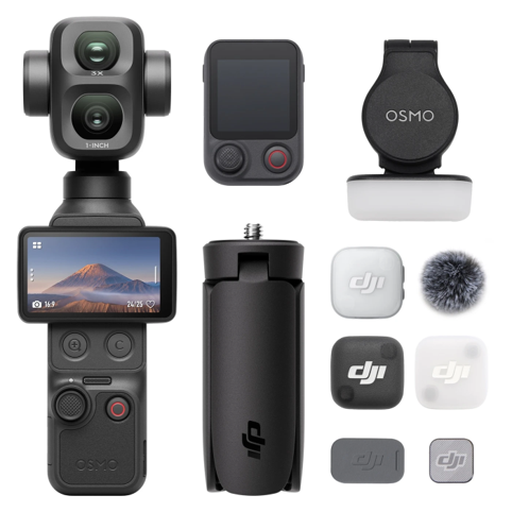 No image available
The product title describes a vlog combo. For wooden miniatures, check the focusing distance and framing from your fixed shooting position.
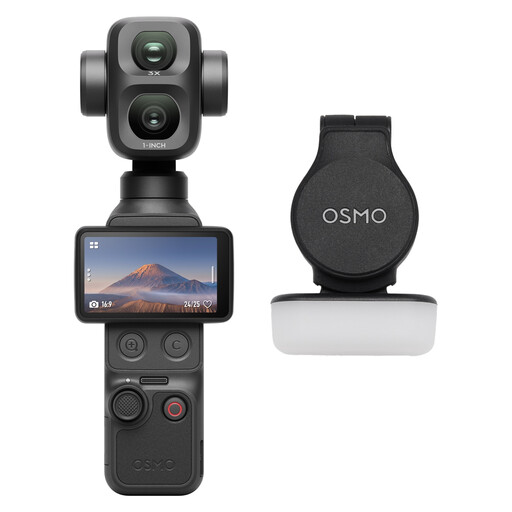 No image available
The product title describes the Standard Combo. For wooden miniatures, check that the camera can focus from your fixed position at the zoom setting you want to use.
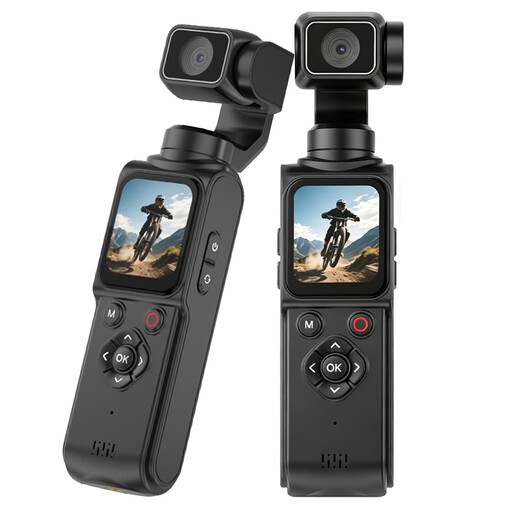 No image available
The product title describes a vlog camera with 64 MP, Wi-Fi, a 330° rotating lens and a 1.72-inch touchscreen. Check the focus and framing for your miniature photography setup.
The title also mentions a tripod and Type-C; check the exact variant and package contents.
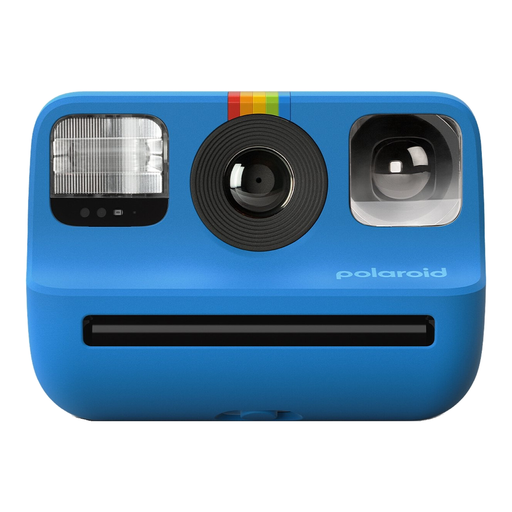 No image available
For wooden miniatures photographed from a fixed position, check that the camera offers the focusing distance and framing you need before choosing.
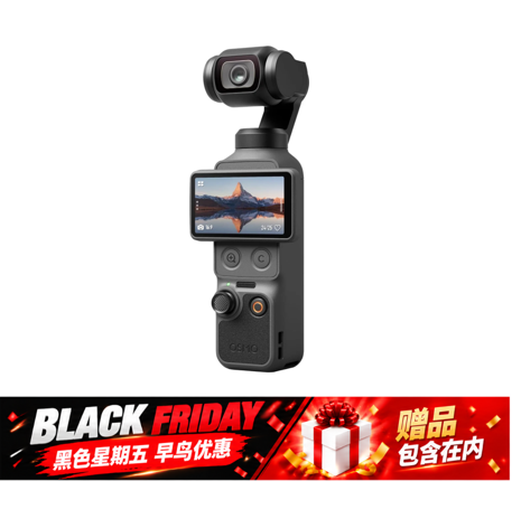 No image available
The product title describes a vlog camera with a 1-inch CMOS sensor, 4K/240 fps, 2× lossless zoom and 107 GB of built-in storage. Check that the focus and framing suit miniatures photographed from your fixed position.
The title also mentions 3-axis stabilisation and a 2-inch rotating screen.
No. Also check the framing and focus at the zoom setting you plan to use from your fixed camera position. The stated distances differ between wide-angle and telephoto on several models; Canon Netherlands, Panasonic Netherlands and Sony Netherlands list these model-specific differences.
Position the camera securely, choose a plain background, set up an adjustable lamp and check the focus point. Nikon describes these as tips for photographing small subjects; the right settings depend on your subject and camera.
It depends on the model and feature. The OM SYSTEM manual describes focus stacking on the TG-7 as creating a composite photo; Canon Netherlands lists focus bracketing for the PowerShot G7 X Mark III, but this doesn’t confirm automatic image combining.
Report the problem to the seller. According to the Dutch government, the Netherlands has no fixed statutory guarantee period; what you can expect from the product depends, among other things, on the product, its price and the sales information. A manufacturer’s warranty doesn’t replace your statutory rights.
According to the Dutch government, online consumer purchases from a business usually come with a 14-day cooling-off period. Check the terms and exceptions for the specific purchase; this rule doesn’t apply to purchases from a private seller.