
Photographing miniature details
You want to capture the wood grain and small components up close. So look for a clearly specified close-up feature, not just a compact camera body.


Choose based on the focusing distance at the zoom setting you want to use, and the distance you can leave between the lens and the miniature on your table. A small camera body alone won’t solve the space problem. For very small details, the OM SYSTEM Tough TG-7 and PENTAX WG-90 offer relevant macro features, while the Canon PowerShot G7 X Mark III combines manual focus and focus bracketing with a much longer minimum focusing distance at telephoto.
You want to capture the wood grain and small components up close. So look for a clearly specified close-up feature, not just a compact camera body.
You need to fit the camera, miniature and lighting onto the same limited table space. The focusing distance at your chosen zoom setting helps determine whether your setup will fit.
You want several parts of a miniature to look sharp, with the wood texture well lit. Focus and exposure are important considerations, alongside how close you can get.
First, measure how much space you really have between the lens, the miniature and the lighting. Then consider whether you mainly need to capture small details, get a wider shot with greater depth of field, or have more control over exposure.
For anyone looking for a compact camera to photograph wooden miniatures on a small table, these are four possible priorities to consider.
| What to consider | What to look for when buying | Who is this important for? |
|---|---|---|
| Getting small details in focus | Check the minimum focusing distance from the front of the lens at the zoom setting you want to use. Also see whether the model has a microscope or close-up mode. | If small components and wood grain matter most, you’ll want to know whether the camera can focus at your working distance. Around 36% of consumers make close focusing their top priority. |
| Working on a small table | Measure the clear space in front of the miniature and compare it with the distance needed to focus at both wide-angle and telephoto settings. Remember to leave room for lighting, too. | If you’re sharing limited table space between the camera, subject and lighting, you’ll want a setup that physically fits. Around 29% of consumers put available workspace first. |
| Lighting the wood grain | Check whether macro lighting is included and adjustable, or set aside space for your own lighting setup. Look at sample photos of similar surfaces. | If the wood grain needs to show clearly, it matters whether you can position the light to suit the subject. Lighting is the top priority for around 21% of consumers. |
| Getting more of the miniature in focus | Check whether the model offers focus stacking or focus bracketing, and consider whether you want to process the images yourself. | If you want a wider shot where several parts look sharp, pay attention to depth of field and any image-merging features. Around 14% of consumers make this their top purchasing priority. |
The minimum distance can vary considerably between wide-angle and telephoto. So a camera that can focus up close at wide angle may need more space from the miniature when you zoom in further.
Before deciding, compare the specified distances at both zoom settings with the available space on your table.
Depth of field can be shallow in close-up photography. A macro feature doesn’t automatically mean the whole subject will be sharp; focus stacking and focus bracketing are also different features.
Decide whether you want to show one detail or several parts of the miniature in focus, then check which feature the exact model offers.
The miniature and lighting need to fit into the setup, too. The PENTAX WG-90 is the only model here confirmed to have built-in, adjustable macro lighting.
Plan out the full setup in advance and check whether you’ll need a separate light source for the model you choose.
The Tough TG-7 is worth considering if you want to photograph very small details up close and combine several focus planes.
The WG-90 is an option if a short shooting distance and lighting around the lens are important for close-ups.
The PowerShot G7 X Mark III is worth considering if you want to combine manual focus with focus bracketing.
The RX100 VII is a compact zoom option if you also want to use the camera away from a small tabletop setup.
Below are the Joybuy camera options selected for this topic. For wooden miniatures, check the minimum focusing distance and the space available on your table separately.
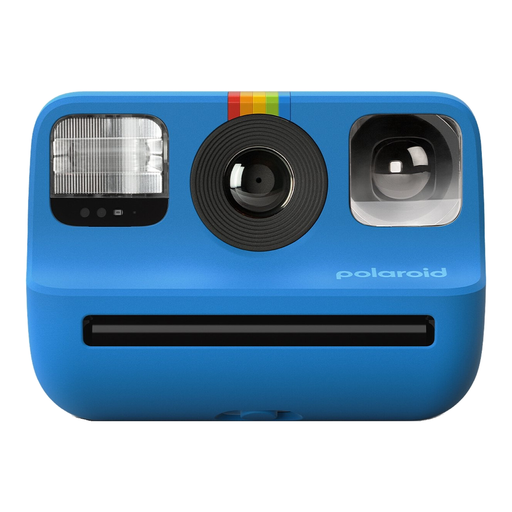 No image available
If you’re mainly looking for a portable instant camera, this model may suit you; check separately whether its focusing distance works for close-ups of your miniatures.
The product description lists a built-in flash and self-timer.
 No image available
If a pocket camera with autofocus and zoom suits the way you’ll use it, this model may be an option; check the minimum focusing distance before using it to photograph miniatures.
The product name lists 4K, 44MP and 16X zoom; the product description lists autofocus and 16× digital zoom.
The minimum focusing distance can vary depending on the zoom setting. Canon lists 5 cm at wide angle and 40 cm at telephoto for the PowerShot G7 X Mark III; Sony lists around 8 cm and around 100 cm for the RX100 VII. Measure from the front of the lens and, if necessary, zoom out or move the camera further from the subject.
Take a test shot and check whether the parts you want are sharp. According to the OM SYSTEM manual, focus stacking combines shots taken at different focus points; Canon lists focus bracketing for the PowerShot G7 X Mark III. Check in advance which feature the model offers and whether you want to process the images yourself.
For an ordinary online consumer purchase in the Netherlands, you generally have a statutory 14-day cooling-off period after delivery, subject to legal exceptions. Check the retailer’s returns information before you order. If you buy from a physical shop, you don’t automatically have the same right to return a product because you’ve changed your mind.
For a consumer purchase, the retailer is responsible for the statutory guarantee. The Netherlands Authority for Consumers and Markets explains that the retailer must offer an appropriate solution if the product doesn’t meet what you could reasonably expect under normal use. This could mean a repair or replacement, and sometimes a refund. A manufacturer’s guarantee doesn’t replace this statutory right.
That doesn’t depend solely on whether a product is called a ‘compact camera’. According to the Dutch government, CE marking is compulsory for products covered by the applicable European product rules, and it must not be applied arbitrarily to other products. Check the product information for the specific camera and ask the retailer for clarification if you’re unsure.