What should you look for?
First compare the angle of view from your actual viewpoint and decide how much optical zoom you need. Then consider the lighting conditions and camera size.
| What to consider |
What should you check? |
Who is this important for? |
| Framing the whole landscape |
Compare the shortest focal length in full-frame equivalent with a test crop from your spot. According to Sony, Canon and Panasonic, the zoom models discussed start at 24 mm; Ricoh lists approximately 28 mm for the GR IV. |
If I want to capture the windmill alongside the sky and surroundings, the wide-angle view needs to suit my distance and composition. Around 36% of consumers in this preference breakdown put a wide landscape crop first. |
| Bringing a distant windmill closer |
Compare the optical telephoto end in mm full-frame equivalent and assess the crop you want from your viewpoint. Keep optical zoom separate from digital extension. |
When I can’t get any closer, I want to know whether the windmill will appear large enough in the frame without confusing digital zoom with optical range. Around 29% of consumers give optical framing of a distant windmill top priority. |
| Photographing in low light |
Check the sensor, maximum aperture at the focal length you’ll use, and exposure controls for the exact model. Use a stable support for longer exposures. |
If I also photograph the same view at dusk, I want to take the sensor and aperture into account rather than look only at the zoom range. Around 21% of consumers put this consideration in low light first. |
| Taking the camera with you |
Compare the dimensions and weight of the exact model, and decide how much zoom you really need. A pocket camera and a larger superzoom offer different levels of portability. |
If I walk to the photo spot, how easy the camera is to carry matters; I want to weigh that up against the range I need from that spot. Around 14% of consumers put portability first. |
Cameras on Joybuy
These Joybuy products are cameras for anyone who wants to adjust the crop from one spot; check whether the stated zoom range for each model is optical or digital.
 No image available
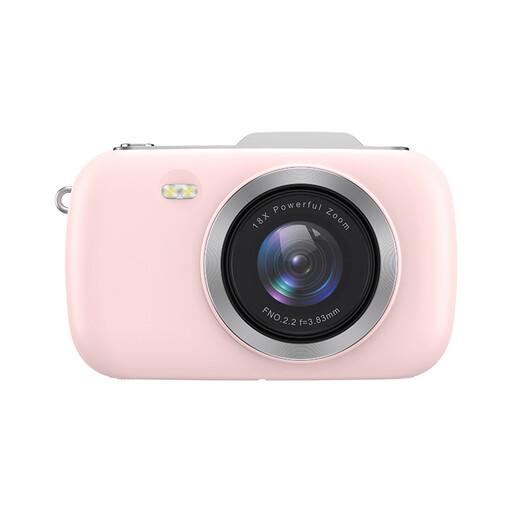
KOMERY G7-A 4K 80MP, 18X zoom, pink
The product name mentions 18X zoom but doesn’t specify whether it’s optical or digital; check this if you need the range from a fixed viewpoint.
The product name also mentions 4K and 80MP.
View on Joybuy
 No image available
KOMERY G7 5K 80MP, white
The product description mentions 18x optical zoom, allowing you to adjust the crop from the same viewpoint.
The product name mentions 5K and 80MP.
View on Joybuy
 No image available
KOMERY W6 4K 64MP, 12X optical zoom
The product name mentions 12X optical zoom for adjusting the crop from one spot.
The product name also mentions 4K and 64MP.
View on Joybuy
 No image available
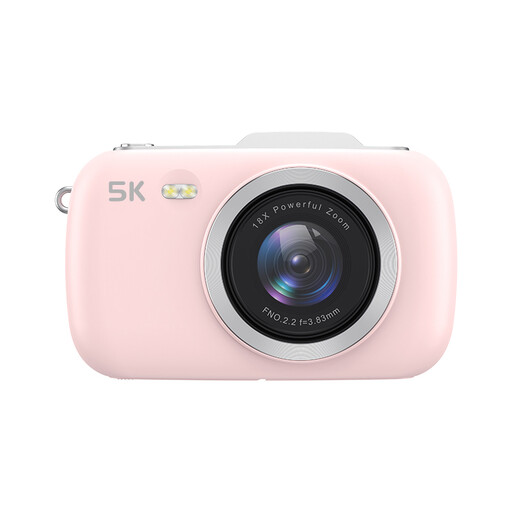
KOMERY G7 5K 80MP, no SD card, pink
The product description mentions 18X optical zoom for adjusting the crop from the same viewpoint.
An SD card is not included. The product name mentions 5K and 80MP.
View on Joybuy
 No image available
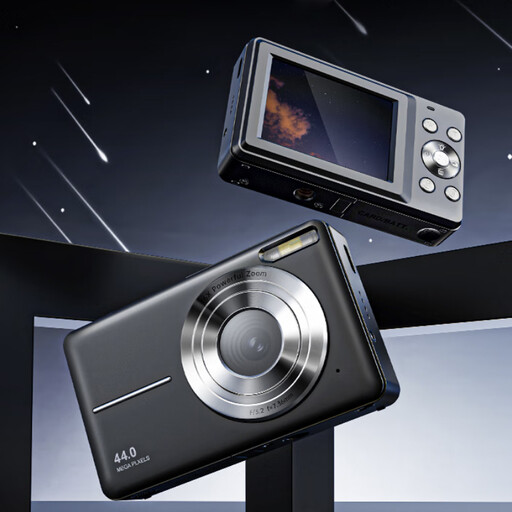
Songdian 4K 44MP pocket camera, black
The stated 16x zoom is digital, not optical; bear this in mind if you want to frame a distant windmill from a fixed viewpoint.
The product name mentions 4K and 44MP.
View on Joybuy
Frequently asked questions
Is a 24 mm wide-angle view wide enough to capture the whole windmill?
That depends on how far you are from the windmill and how much of the surroundings you want in the frame. According to their manufacturers, the Sony RX100 VII, Panasonic TZ99 and Canon SX740 HS Lite Edition discussed here all start at 24 mm full-frame equivalent; before buying, compare a test crop from your viewpoint.
What should I check if I’m photographing at dusk with a tripod?
Check the exposure settings and aperture at the chosen zoom setting for the exact model, and make sure you can position the camera steadily without obstructing a walkway. A tripod doesn’t change the optical range; for longer exposures, also allow for movement in the windmill sails.
Who can help if my camera develops a fault too soon in the Netherlands?
According to the Government of the Netherlands, the seller is your point of contact for your statutory guarantee. There is no fixed statutory guarantee period of two years: what you could reasonably expect from the product is taken into account. Online purchases often also come with a 14-day cooling-off period from delivery, subject to terms and exceptions.
Can I publish a windmill landscape online if visitors are recognisable?
First consider the privacy implications. The Dutch Data Protection Authority considers identifiable people in photos to be personal data, so taking and publishing such photos is not always permitted. This information does not set a general rule for publishing photos without identifiable people or for the rules at a specific location.


