
Collectors interested in glass details
If you want to capture engravings, wear or maker’s marks, a useful close-up mode is important. You’ll also need to consider the space between the lens and the glass.


If you mainly photograph engravings or small imperfections, consider both the focusing distance and how much room you’ll have to light the glass. For whole glasses, working distance, framing and reflection control matter too. Compare the focusing distance at the zoom setting you actually want to use: it can be much greater at telephoto than at wide angle.
If you want to capture engravings, wear or maker’s marks, a useful close-up mode is important. You’ll also need to consider the space between the lens and the glass.
For photos of both whole glasses and small details, a repeatable setup, a suitable background and control over the lighting all matter.
When space is limited, the camera needs to fit within the available distance between the lens, the glass and the background. Check the focusing distance at your chosen zoom setting.
Start with your main subject: close-up focusing matters for small features, while photographing a whole glass also calls for space to frame the shot and position your lighting. Then check that the focusing distance and shooting position will work on your table.
| What to consider | What should you check? | Who is this important for? |
|---|---|---|
| Focusing on small details | Check the minimum focusing distance from the lens at the specific wide-angle, telephoto or macro setting you want to use. | Want to capture engravings, maker’s marks or wear up close? Around 36% of consumers say getting these details in focus is their top priority. |
| Reflections and lighting | Try positioning the glass, background and light source together. See whether you can adjust the exposure and move the light around. | If clear outlines and manageable reflections matter to you, your setup needs to leave room to work with the lighting. Around 29% of consumers put this first. |
| Framing a whole glass | Measure the available distance and check that the angle of view and focusing distance work at the same zoom setting. | If you want to photograph a whole glass on a small table, both the camera position and the space for the background matter. Around 21% of consumers prioritise this working space. |
| Matching features to how you’ll use it | Decide whether you’ll mainly photograph glass details, whole objects or subjects at other distances too. Check which accessories are included with the version you’re considering. | To avoid unnecessary features or an impractical setup, choose a camera that suits your main needs. Around 14% of consumers put this consideration first. |
A camera may focus close up at wide angle, but have a much greater minimum focusing distance at telephoto. That difference could determine whether you can photograph a detail from the position you want.
Compare the focusing distance at each setting and try the framing you want from your available working distance.
Panasonic gives a minimum distance of 3 cm at wide angle and 200 cm at telephoto for the DC-TZ99 in AF macro mode. The Consumers’ Association also points out that a high zoom range can involve a trade-off in image quality.
If you’ll mainly be photographing glassware at close range, compare the close-up mode and your other uses rather than focusing only on the maximum zoom range.
Even with a small camera, the glass, background and lighting all take up space. If you’re taking product photos repeatedly, you may also need room for a support.
First, work out where the camera, glass, background and light source can go on the table, leaving room to move the light around.
The PowerShot G7 X Mark III and SX740 HS Lite Edition offer different options: more photographic control or a compact zoom camera with a dedicated macro mode.
The RX100 VII may be worth considering if you want to photograph subjects at other distances as well as take product photos.
The Tough TG-7 is an option to look into if you want to photograph small glass details up close.
The X100VI has a fixed angle of view, making it an option if you want to photograph a whole glass from a chosen perspective.
The Lumix DC-TZ99 is a travel zoom option if you also want to use the camera for subjects at other distances.
This selection includes cameras for photography and video. For each model, check that the focusing distance and controls suit photographing glassware on your table.
 No image available
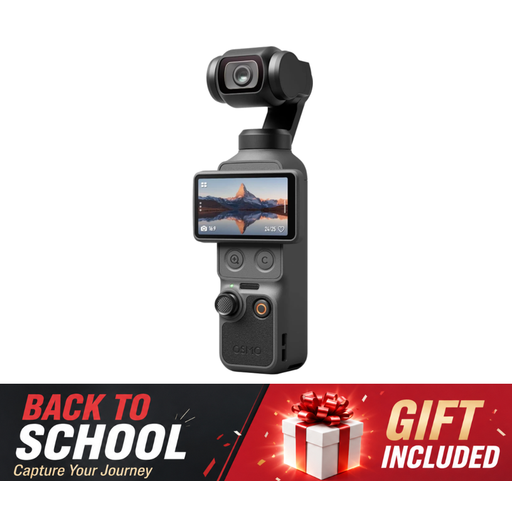
The product title describes this model as a pocket gimbal camera for photography and video. Check whether its focusing distance suits close-ups of glass.
The title lists a 1″ CMOS sensor, 4K/240fps, 2× lossless zoom, 107GB of built-in storage and a 2″ rotating screen.
 No image available
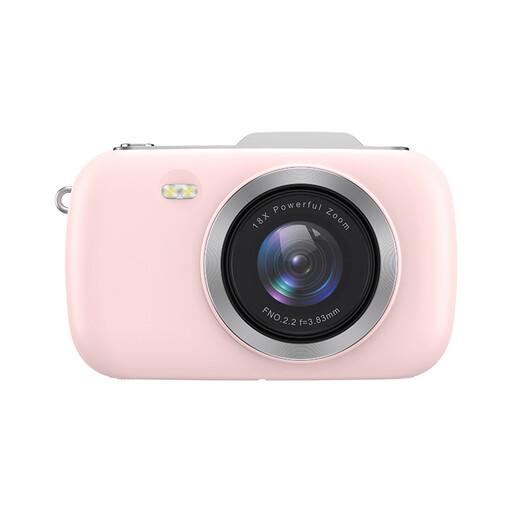
The product title mentions photography and vlogging. Before choosing, check that the camera can focus at the distance you need for glass details.
The title lists 80MP, 18× zoom and a pink finish.
 No image available
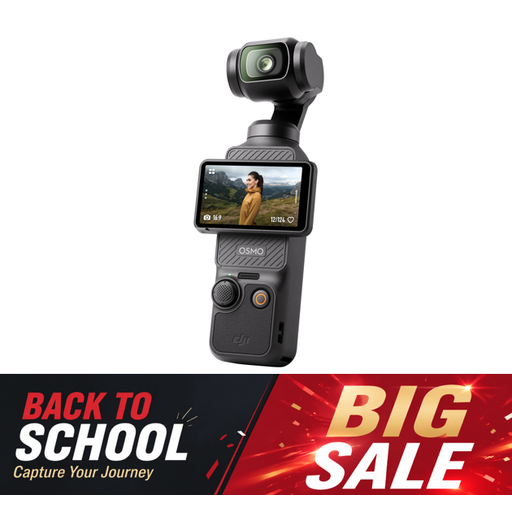
The product title presents this model for photography and video. Check whether its close-up capabilities suit your glassware setup.
The title lists a 1″ CMOS sensor, 4K/120fps, 3-axis stabilisation and a 2″ rotating touchscreen.
 No image available
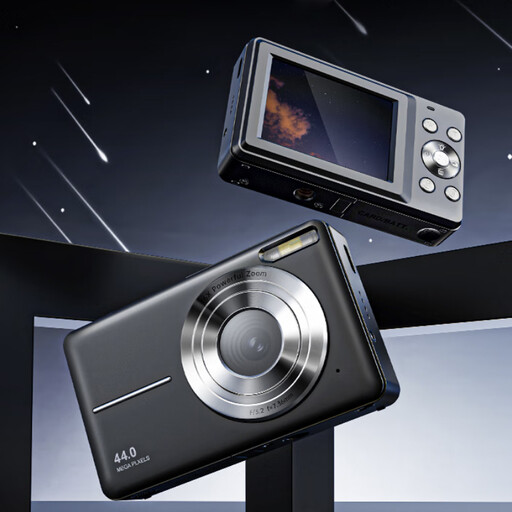
The product title describes a pocket camera for photography and video. Check the focusing distance before choosing this model for small glass details.
The title lists 4K, 44MP and 16× digital zoom.
 No image available
The product title describes this model as a compact camera for vlogging. Check that the focusing distance and controls suit your glassware photography.
The product specifications list 2.7× optical zoom and a tilting screen.
No. That distance only tells you whether the camera can focus at a particular setting. It doesn’t tell you whether the whole glass will fit in the frame or whether you’ll have room for lighting. For example, Canon specifies 5 cm at wide angle and 40 cm at telephoto for the G7 X Mark III. Try framing the shot you want from the distance available.
Start with one glass, a simple background and light from a large window. Canon describes window light as often soft and diffused. A tripod can help you keep the framing consistent for repeated product photos, but check that it will fit in your workspace.
For a consumer purchase, the retailer is your point of contact if the product doesn’t perform as you could reasonably expect under normal use. According to ACM ConsuWijzer, the legal guarantee is separate from any manufacturer’s guarantee. The appropriate solution depends on the circumstances and the fault.
Not in every case. The Dutch government says that, for eligible distance purchases from a business, a 14-day cooling-off period applies in many cases. Online purchases from private sellers aren’t covered by this rule. Check who the seller is and which terms apply to your purchase.