
Sellers of shiny glassware
If you sell glassware, you’ll want its shape and edges to stand out against an uncluttered background. broncolor’s examples show that lighting and reflections need careful consideration.


Choose a compact camera for vintage glassware based on your main shot: the whole glass, small engravings or a repeatable series of product photos. Check the focusing distance at the zoom setting and in the mode you plan to use. A camera won’t eliminate reflections on its own, as the position of the light also affects how contours and engravings appear, as shown by broncolor.
If you sell glassware, you’ll want its shape and edges to stand out against an uncluttered background. broncolor’s examples show that lighting and reflections need careful consideration.
Focusing at close range matters when photographing engravings, maker’s marks or cut glass. broncolor discusses how visible engravings can be, while camera manufacturers such as OM Digital Solutions and Canon describe close-up shooting and focusing features.
If you photograph several glasses in the same set-up, you’ll want to compare framing, background and colour. Canon Netherlands describes using a tripod for consistent composition and RAW editing to adjust the white balance.
First decide whether your priority is controlling reflections, capturing small details, repeating a series or fitting the whole glass into the frame. Then measure your glass and workspace, and check the focusing distance at the zoom setting you want to use.
| What to consider | What should you check? | Who should prioritise this? |
|---|---|---|
| Reflections and contours | Check whether you can adjust the lighting and focus. Make sure you also have room to position your lights and background. | If I sell shiny glassware, I want its shape and edges to remain visible without distracting reflections. Around 36% of consumers say controlling reflections is their main consideration. |
| Engravings and cut glass | Compare the minimum focusing distance for each zoom setting and mode. Also check whether the camera offers focus bracketing or focus stacking. | If you want to capture small maker’s marks or engravings individually, close-range focusing is especially important. Around 29% of consumers put small details first. |
| A repeatable series of photos | Check the available white balance and file settings. Consider whether you can use the camera steadily in the same position. | If I photograph several glasses, I want to compare the framing, background and colour. Around 21% of consumers prioritise a consistent series. |
| Framing the whole glass | Measure the glass and the available workspace. Check whether the wide-angle setting can capture the frame you want from your planned camera position. | If you want to show the whole glass against an uncluttered background, make sure the framing works with the space you have on the table. Around 14% of consumers choose with the full picture in mind. |
On some models, the minimum distance varies between wide-angle and telephoto. So a camera that focuses at close range in wide-angle may need more distance for a detailed shot at another zoom setting.
Compare the distance for the zoom setting and shooting mode you actually plan to use.
The visibility of glass edges and engravings also depends on the lighting. Changing cameras won’t replace experimenting with different light positions.
First, take test shots with the light in different positions and assess the results from the camera’s viewpoint.
Shaping the light and background may require extra preparation time or equipment.
According to ACM ConsuWijzer, there is no fixed time limit for statutory protection in the Netherlands, and it applies alongside any commercial guarantee.
Keep your purchase details and contact the seller if the product is faulty.
The Tough TG-7 is an option for documenting small details on glass.
The PowerShot G7 X Mark III combines manual focusing and focus bracketing with a stated focal length range equivalent to 24–100 mm.
According to Sony Netherlands, the RX100 VII offers a focal length range equivalent to 24–200 mm and manual focusing.
The LUMIX DC-TZ99 combines a travel zoom with macro shooting and focus stacking.
For each camera, check whether its focusing options, settings and set-up suit the glass you want to photograph.
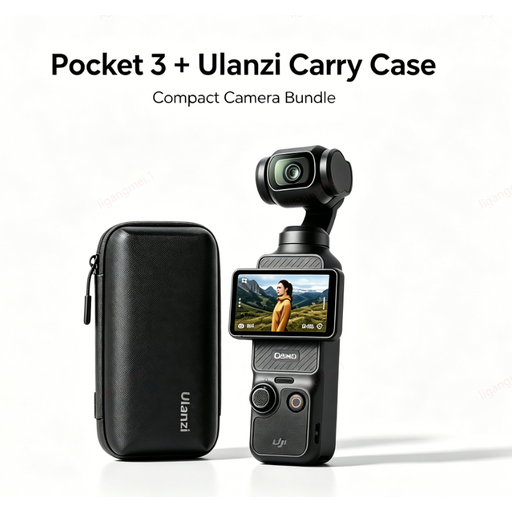 No image available
Before buying, check the minimum focusing distance and whether the settings suit the shot of the glass you want to take.
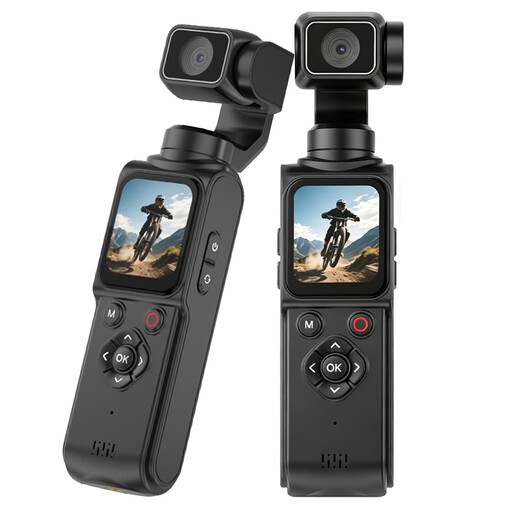 No image available
The product name says a mini tripod is included. Check whether the camera can focus from the distance you plan to shoot your glassware.
The product name lists Wi-Fi, 64 MP and a 330° rotating lens.
 No image available
Before buying, check whether the focusing distance and controls suit the detail or full-glass shot you want to take.
The product name lists 5K, 80 MP and 18× zoom.
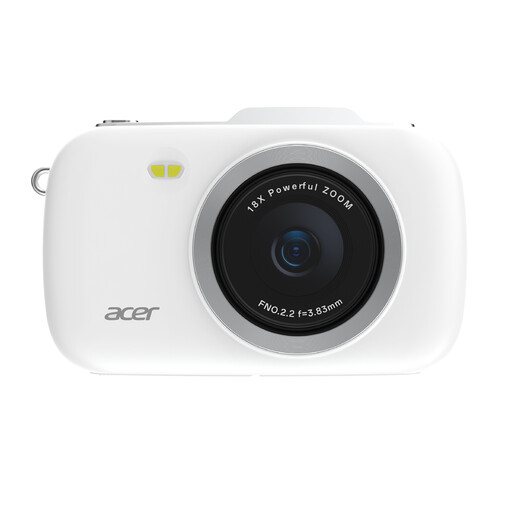 No image available
Check the focusing distance at the zoom setting you plan to use for your glassware.
The product name lists 4K, 80 MP and 18× zoom.
 No image available
Check whether the focusing options and settings you need suit your glassware set-up.
The product name lists a 16–50mm zoom lens.
Not always. For the exact model, check which zoom setting and mode the distance applies to, and whether you can frame the detail you want from that position. Canon Netherlands, Sony Netherlands and Panasonic list different minimum distances for wide-angle and telephoto.
Adjust the light and assess reflections from the camera’s viewpoint. In one example from broncolor, even softbox lighting made an engraving almost invisible, while more directional light made it easier to see. The result depends on the glass and the set-up.
Keep the camera, framing and background steady, and check the white balance under the same lighting. Canon Netherlands describes using a tripod for consistent composition and adjusting the white balance when editing RAW files.
No. According to ACM ConsuWijzer, statutory protection in the Netherlands has no fixed time limit: a product should last for as long as you could reasonably expect with normal use. If a product is faulty, contact the seller.
When you buy from a business online, you generally have a statutory cooling-off period of up to 14 days after delivery, although exceptions may apply. Check the terms that apply to your purchase before placing your order.