
If you want to take a quick photo
You want to capture a scene or flower as soon as you stop, without changing lenses or setting up lots of equipment. Easy automatic controls and a quick start are important to you.


Choose a compact camera based on the kind of photos you usually want to take. Optical zoom helps you capture flowers further away, while for close-ups you’ll need to check the minimum focusing distance at the zoom setting you plan to use. If you want to take photos quickly, also try how fast the camera powers on, focuses and responds to the controls. A wide zoom range alone tells you nothing about start-up time.
You want to capture a scene or flower as soon as you stop, without changing lenses or setting up lots of equipment. Easy automatic controls and a quick start are important to you.
You might want to capture petals or stamens, for example. So check the focusing distance, as well as the zoom setting or special mode that distance applies to.
You want to fill the frame with flowers or patterns further away without walking over to them. Optical zoom range and ease of handling can help you decide whether a camera suits the way you take photos.
First, decide whether you mainly want to react quickly, capture details up close or frame flowers at a distance. Then check the controls and how easy it is to use the screen or any viewfinder outdoors.
| Feature to consider | What to look for when buying | Who is this important to? |
|---|---|---|
| Taking photos quickly | Try switching on the camera, focusing and taking a photo; also check the automatic mode. | If I want to take a photo as soon as I stop, I don’t want to work through lots of settings first. Around 33% of consumers say speed is their top buying priority. |
| A flower up close | Check the minimum focusing distance for the zoom setting you plan to use, and whether you need a macro or close-up mode. | If you want to capture petals or other details up close, you need to know which mode and distance the camera can focus at. Around 25% of consumers give close focusing their top priority. |
| Flowers at a distance | Compare the optical focal length range in 35mm-equivalent terms; don’t compare optical zoom with a combined digital and optical figure. | If I want to fill the frame with a flower further away from the path, optical range is my first consideration. Around 25% of consumers put this range first. |
| Framing in bright light | Try the screen outdoors and check whether the model has an electronic viewfinder. | In sunshine or changing light, I want to be able to frame and check my subject properly. Around 17% of consumers give outdoor light and framing their top priority. |
That distance can depend on the zoom setting and the mode you choose. Canon specifies 1 cm for the SX740 HS Lite Edition in macro mode at the wide-angle setting; Sony gives different distances at wide angle and telephoto for the RX100 VII.
Before choosing a camera for flower details, check the distance, the mode used and the point from which the distance is measured.
A combined zoom figure does not describe the lens’s optical range alone.
First compare the stated optical focal length range, then consider whether it will be enough from where you plan to take photos.
A wide zoom range doesn’t tell you whether the screen is easy to see in bright light. Photography Blog highlights the lack of an electronic viewfinder on the Panasonic TZ99 as something to consider in bright sunshine.
Try the screen outdoors and check whether the camera has a viewfinder when comparing models.
The LUMIX DC-TZ99 is a compact travel zoom for anyone who wants to capture both a wider view and subjects further away on a walk.
Canon says the PowerShot SX740 HS Lite Edition combines the size of a compact camera with a wide optical zoom range.
The RX100 VII is an option for anyone looking for a 1.0-type sensor, moderate zoom and a built-in electronic viewfinder.
The Tough TG-7 is worth considering if very close-up flower details and a weather-resistant design are high priorities.
These Joybuy products are camera options for taking photos on the go. Check whether each model’s photo features and controls suit the way you want to photograph tulips.
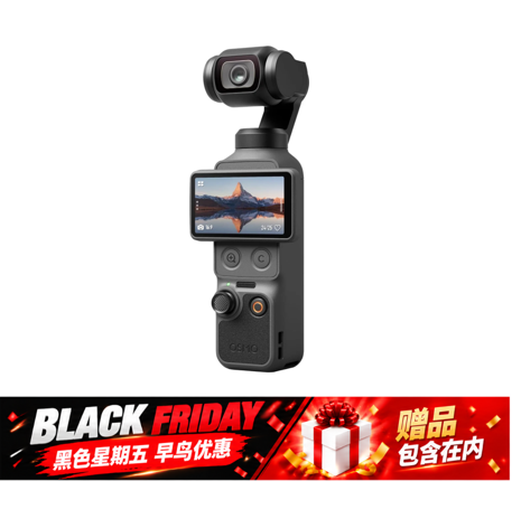 No image available
This pocket gimbal camera is worth comparing if you’re looking for a camera to use on the go. Check whether its photo controls suit quick stops.
The product name lists a 1″ CMOS sensor, 2× lossless zoom, 107 GB of built-in storage, 3-axis stabilisation and a 2″ rotating screen.
 No image available
This digital camera is worth comparing if you want optical zoom for subjects further away. Check that the controls and focusing distance suit the photos you have in mind.
The product name lists 12× optical zoom, 4K and Wi-Fi.
 No image available
This pocket gimbal camera is worth comparing if you’re looking for a compact camera to use on the go. Check the photo controls beforehand to make sure they suit a quick stop.
The product name lists a 1″ CMOS sensor, 3-axis stabilisation and fast focusing. The description lists a 2″ rotating touchscreen and a weight of 179 g.
 No image available
This digital camera is worth comparing if optical zoom matters to you when taking photos on the go. Check that the focus is suitable for the distance at which you want to photograph tulips.
The product name lists 10× optical zoom and 56 MP; the description lists a 2.8-inch screen.
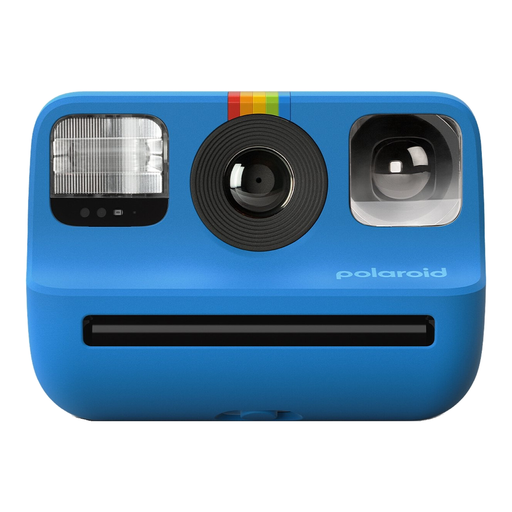 No image available
This portable instant camera is an option if you want to print a photo straight away while you’re out and about. It’s a different way of taking photos from keeping them in digital form only.
The camera uses Polaroid Go film. Check whether film is included in the set before you order.
Only if it’s needed for the flower details you want to capture and the distance you’ll be working from. Canon specifies 1 cm at the wide-angle setting in macro mode for the SX740 HS Lite Edition; the OM SYSTEM TG-7 manual describes taking photos from as close as 1 cm in microscope mode. Check that you can frame the flower as you want from that mode.
Charge the battery, prepare a suitable memory card and try the automatic mode, focusing and controls beforehand. This is practical advice on getting ready, not a promise about how quickly a particular model starts up. The Consumentenbond treats start-up time and shutter lag as separate test points.
According to the Rijksoverheid, in many cases you have a 14-day cooling-off period when buying at a distance; exceptions and the terms of the specific purchase still apply. The Netherlands has no fixed statutory warranty period: you’re entitled to a product that works as it should, and the retailer is your point of contact if something is faulty.
Don’t assume you can: rules on photography, equipment set-ups and access to planted areas can vary from garden to garden. Check the rules for the specific location before your visit and stick to accessible paths unless the garden says otherwise.