
Makers working with glossy glaze
You want to show the colour and finish clearly without reflections obscuring the surface. Lighting and white balance are important considerations, as Canon Nederland and Morningroad also point out.


Choose a compact camera based on what you need for your portfolio: an overall shot, small details or both. Check the focusing distance at the zoom setting you plan to use, and consider white balance, exposure and a fixed set-up too. These all affect how the glaze and texture come across in your photos.
You want to show the colour and finish clearly without reflections obscuring the surface. Lighting and white balance are important considerations, as Canon Nederland and Morningroad also point out.
As well as photographing the whole tile, you want to capture small patterns, stamps or crazing. Check that the focusing distance suits the composition you want to use. The specifications from Canon Nederland, Panasonic Nederland and OM Digital Solutions show that distances vary by model and zoom setting.
You’re photographing several tiles and want to keep the framing, background and exposure consistent. Canon Nederland describes a tripod as a useful way to maintain consistent framing.
When photographing tiles, lighting and white balance affect colour reproduction, while reflections can obscure the glaze or pattern (Canon Nederland; Morningroad).
| What to consider | What to look for | Who should pay particular attention? |
|---|---|---|
| Colour and shine | Check whether you can adjust the white balance and exposure. Take a test shot using the lighting set-up you intend to use. | If I’m photographing glossy glaze, I want the colour and finish to remain clear without reflections obscuring the pattern. Around 33% of consumers put colour and shine first. |
| Small details | Compare the focusing distance at the zoom setting you plan to use, and check that the detail appears large enough in the frame. | For stamps, fine patterns or texture, I want to see whether the framing shows the detail clearly. Around 27% of consumers prioritise small details. |
| A repeatable series | See whether the camera works in your intended set-up; compare photos taken against the same background and with the light in the same position. | If I’m photographing several tiles, I want to keep the framing and background consistent. Around 27% of consumers prioritise a repeatable series. |
| Use beyond your set-up | Decide what other subjects you want to photograph, and check both the zoom range and focusing distance for them. | If I want to use the camera for other subjects too, I take that into account alongside my tile photography. Around 13% of consumers put versatility first. |
The minimum focusing distance can increase as you zoom in. Canon Nederland and Panasonic Nederland list different distances for wide-angle and telephoto settings on their models.
Compare both the focusing distance and the detail in the frame at the zoom setting you actually plan to use.
Reflections can hide the colour or pattern on a glossy tile, but removing them all can make the shine less visible too. Morningroad explains the difference between matt and glossy tiles.
Compare test shots taken in softer light with shots that include a deliberately positioned reflection.
Changes to framing, background or lighting make photos of different tiles less consistent. Canon Nederland describes a tripod as a useful way to keep the composition the same.
Decide where to place the camera, tile, background and lighting before choosing the camera features you need.
The PowerShot G7 X Mark III is a compact zoom model worth considering if you want to photograph both the whole tile and its details.
The LUMIX DC-TZ99 combines a fixed zoom lens with a macro mode; the model also offers RAW and focus stacking.
The Tough TG-7 is a compact option to explore if capturing small details is important.
The RX100 VII is worth considering if you also want to use one compact camera for subjects further away.
The GR IIIx has a fixed angle of view and may suit you if you can compose your shots from a fixed workstation.
This selection includes compact digital and pocket cameras whose product titles mention photography. For tile photography, check the focusing distance and framing at your preferred shooting distance. Where possible, take a test shot first.
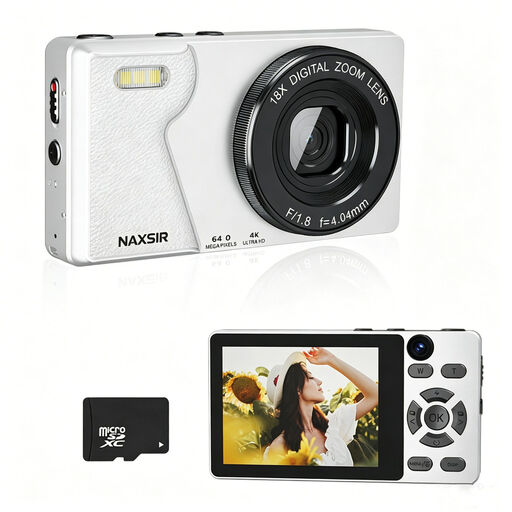 No image available
The title mentions autofocus. Take a test shot to check that your chosen tile composition is in focus at the shooting distance.
The product title lists 64 MP photo resolution, 18× digital zoom and an included 32 GB memory card.
 No image available
The product title describes this as a pocket camera for photography. For tile close-ups, check that the shooting distance and framing meet your needs.
The title lists a 1-inch CMOS sensor, 4K/240fps video, 3-axis stabilisation, 2× lossless zoom, 107 GB of built-in storage and a 2-inch rotating screen.
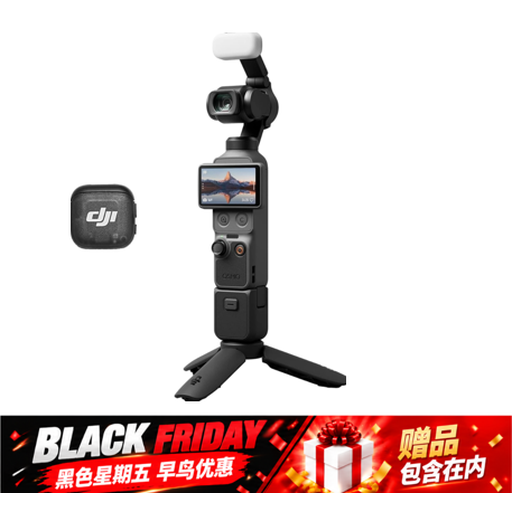 No image available
The title mentions a handle with a 1/4-inch thread. Check that it suits the fixed set-up you want to use for your portfolio.
The product title lists a 1-inch CMOS sensor, 4K/240fps video, 3-axis stabilisation, 2× lossless zoom, 14-stop dynamic range and 107 GB of built-in storage.
 No image available
The title mentions fast focusing. Take a test shot to see whether the tile’s texture is captured in the composition you want.
The product title lists a 1-inch CMOS sensor, 4K/120fps video, 3-axis stabilisation and an included microphone.
 No image available
The rotating touchscreen can help you choose between horizontal and vertical framing. Check the composition for your tile photos too.
The product title lists a 1-inch CMOS sensor, 4K/120fps video, 3-axis stabilisation, fast focusing and a 2-inch rotating touchscreen.
Not necessarily. The focusing distance can vary by zoom setting and doesn’t tell you how large the mark will appear in the frame. Take a test shot from the distance you’ll be shooting at to check the composition you want.
Keep the camera, background and lighting set-up in the same positions as far as possible. Canon Nederland describes a tripod as a useful way to maintain consistent framing. Also check the white balance under the lighting you’ll be using.
No. A deliberately positioned reflection can help show the glaze’s shine. Avoid reflections that obscure the colour or pattern, and compare test shots taken in softer light with shots where the glaze is visible.
According to the Dutch Government, you’re entitled to a product that works properly and should contact the seller if there’s a fault. The Netherlands has no fixed statutory warranty period: what you can expect depends, among other things, on the product, its price and the sales information. A manufacturer’s warranty doesn’t replace your statutory rights.
For most online consumer purchases, you have a statutory 14-day cancellation period starting from delivery. ACM ConsuWijzer also explains that there are exceptions, so check the terms that apply before you buy.