
Tile maker who needs colour-accurate photos
You want glaze colours to look consistent between shots, so you pay attention to white balance and a consistent lighting setup. Adobe explains that white balance affects every colour in a photo.


Choose a camera based on what you’ll photograph most: the whole tile, a small glaze detail, or a range of other subjects too. For recognisable colours, control over white balance and a consistent lighting setup are important. For close-ups, compare the focusing distance at the zoom setting you’ll actually use. None of these cameras will automatically prevent reflections or changes in window light.
You want glaze colours to look consistent between shots, so you pay attention to white balance and a consistent lighting setup. Adobe explains that white balance affects every colour in a photo.
You want to capture texture or finish on its own, so you check the focusing distance at the zoom setting needed for the detail. Canon, Panasonic, OM SYSTEM and Sony list focusing distances that vary by model and zoom setting.
You want to photograph other products as well as tiles, and weigh up your preferred framing against the ability to capture small details up close. Panasonic and Sony list zoom ranges suited to different compositions.
First decide whether colour, close-ups or all-round versatility matters most to you. Then check that the focusing distance and lighting setup suit your choice.
| What to consider | What should you check? | Who is this important for? |
|---|---|---|
| Recognisable glaze colours | Check whether you can adjust the white balance and take a test shot in the window light you use. | If I want to keep glaze colours looking recognisable, I prioritise colour control; around 36% of consumers put colour first. |
| Small surface details | Compare the focusing distance at wide-angle and telephoto, and try to frame the detail you want. | If I want to show small differences in glaze or texture separately, I focus on close-focusing capability; around 29% of consumers put detail first. |
| Consistent photos | Check whether you can place the camera and tile in the same position each time, and look for reflections in a test shot. | If I want to take several photos with a similar look, I use a fixed position and keep the lighting as consistent as possible; around 21% of consumers prioritise consistency. |
| Tiles and other subjects | Look at the optical zoom range alongside the focusing distance at the zoom settings you want to use. | If I want to use one camera for both tiles and other subjects, I weigh up versatility against close-up capability; around 14% of consumers prioritise versatility. |
With zoom cameras, the stated distance at telephoto can differ considerably from the distance at wide-angle. So the shortest distance alone doesn’t tell you whether you can focus on a glaze detail with your chosen framing.
Compare the focusing distance at the zoom setting you want to use for the detail, and check that you can achieve the framing you want.
White balance affects how colours are rendered, but changes to the lighting setup are a separate factor. Adobe explains that white balance affects every colour in a photo.
Take a reference shot in the light you’ll actually use, and keep the position and exposure as consistent as possible.
A fixed setup takes time to prepare, and achieving similar-looking photos may also require careful editing.
OM SYSTEM describes the LG-1 light guide as part of a specific kit, not as a standard accessory with every standalone TG-7.
Check what’s included with the exact version before relying on an accessory.
If you need the light guide for your setup, check that it’s included with the version you choose.
The PowerShot G7 X Mark III is an option if you want to photograph the whole tile and occasionally capture a detail up close.
The Tough TG-7 range is worth considering if very small glaze details are your main subject.
The LUMIX DC-TZ99 suits anyone who also wants to photograph a range of subjects away from their tile setup.
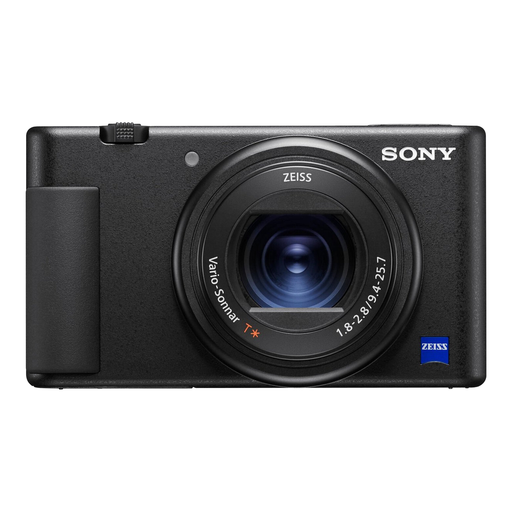
The RX100 VII is an option if you’re looking for one compact camera for both tiles and other subjects.
These Joybuy products are compact digital cameras for photography. For each model, check whether the focusing distance and white balance controls suit photographing tiles in window light.
 No image available
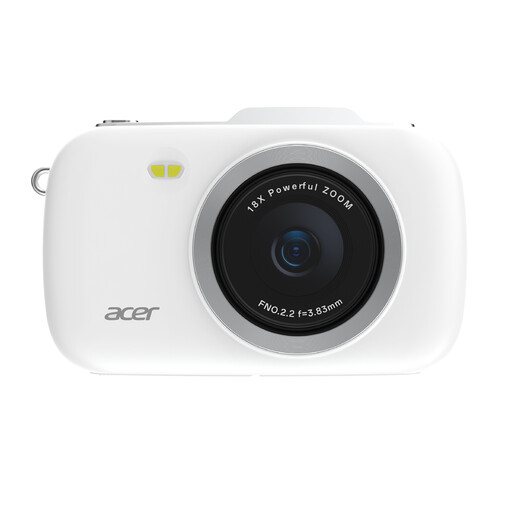
A compact camera option if you’re looking for the stated resolution and memory card bundle. For tile details, check the focusing distance and white balance controls.
The product name lists 64 MP photo resolution, 18× digital zoom, autofocus and a 32 GB memory card.
 No image available
A digital camera option if the stated 4K and 80 MP specifications suit your needs. For tile close-ups, check the focusing distance and white balance controls.
The product name lists 4K, 80 MP UHD, 18× zoom and the colour white.
 No image available
A pocket camera option if a compact size suits the way you use it. For photos of glaze details, check that the focusing distance and white balance controls meet your needs.
The product name lists 4K, 44 MP, 16× zoom and the colour pink.
 No image available
A compact camera option; check that the controls and focusing distance suit the way you photograph tiles.
RAW gives you room to adjust the white balance afterwards, but it won’t prevent changes in the light or reflections while you’re taking the photo. Use a consistent setup and a neutral colour reference too if you want to compare photos.
You can’t tell from the zoom figure alone. Canon lists 5 cm at wide-angle and 40 cm at telephoto for the G7 X Mark III; for the DC-TZ99, Panasonic lists 3 cm at wide-angle and 200 cm at telephoto in macro mode. Check that you can achieve the framing you want at the zoom setting you’ll use.
Look for reflections in a test shot and set the white balance for the light you’re using. Note the camera’s position if you want to take similar photos later.
Check which memory card and accessories you need for your setup, and what’s included with the version you choose. According to the Government of the Netherlands, the seller is your point of contact for the statutory guarantee if a product is faulty; there is no fixed statutory time limit.
When you buy online as a consumer from a business, you usually have a 14-day cooling-off period, according to the Government of the Netherlands. You’re also entitled to a product that works as it should. The Government of the Netherlands states that these distance-selling rules don’t apply to online purchases from a private seller.