
Walker with little time to shoot
You want to be able to grab your camera on the path and take a photo using a pre-selected shooting mode. Try the controls for yourself: a fixed lens doesn’t necessarily mean the camera starts up quickly.


Start with the shot you want to take from your permitted vantage point. A compact camera with a zoom lens lets you switch between a wide view and a close-up without changing lenses. For distant details, optical reach matters. In lower light, the lens and sensor also come into play, while in wet weather you should check the protection offered by the exact model. The stated specifications don’t tell you which camera will be quickest to get ready for that first shot in real-world use.
You want to be able to grab your camera on the path and take a photo using a pre-selected shooting mode. Try the controls for yourself: a fixed lens doesn’t necessarily mean the camera starts up quickly.
You can’t get closer to your subject and want to frame both a wide view and a close-up. To compare cameras, look at their optical focal lengths at the same aspect ratio.
You also take photos as the light fades, weighing up sensor type, maximum aperture and stabilisation against zoom range and size. Specifications alone can’t predict the results you’ll get.
First decide how you want to frame your shot from the path. Then check the controls and compare reach, low-light features and any weather protection.
| What to consider | What to look for when buying | Who is this important for? |
|---|---|---|
| Getting started quickly | Try the power button, zoom and your preferred automatic or saved mode. Also check that the battery and memory card suit the way you plan to use the camera. | If I only have a short time, I want to be able to grab my camera and quickly find my preferred setting. Around 36% of consumers put a quick set-up first. |
| Framing your shot from the path | Compare the wide-angle and telephoto ends as 35mm-equivalent focal lengths. For the TZ99, also check the selected aspect ratio. | From a fixed vantage point, I want to capture both the reedbed landscape and a distant detail. Around 29% of consumers prioritise reach from their vantage point. |
| Taking photos in lower light | Compare the sensor type and maximum aperture of the exact models, and consider them alongside the zoom range you need. | When the light changes during my walk, I want to take relevant lens and sensor features into account. Around 21% of consumers put low-light photography first. |
| Wet or dusty conditions | Check the protection rating and conditions of use for the exact version you’re buying. Don’t assume it’s protected just because it’s described as ‘compact’. | When walking by the water, I want to know whether the camera is suitable for the conditions I’ll be taking it out in. Around 14% of consumers prioritise protection for use in wet or dusty conditions. |
Canon lists both 40× optical zoom and 80× ZoomPlus for the PowerShot SX740 HS Lite Edition. These figures don’t describe the same thing.
Compare the optical wide-angle and telephoto ends of the exact models.
The models discussed differ in sensor size, lens aperture and reach. A single zoom figure doesn’t tell you how they compare overall.
First work out how far away your subject is, then compare the features at the focal length you’ll actually use.
The water and dust protection mentioned applies to the OM SYSTEM Tough TG-7; it doesn’t automatically apply to other compact cameras.
Before using a camera in wet conditions, check the protection specifications and conditions of use for the exact model.
According to Sony, the RX100 VII combines a 24–200 mm 35mm-equivalent zoom with a 1.0-type sensor and electronic viewfinder.
The PowerShot SX740 HS Lite Edition offers extensive telephoto reach, while the G7 X Mark III has a shorter zoom and a 1.0-type sensor.
The LUMIX TZ99 is a long-range travel zoom, while the TZ300 has a shorter reach and a 1.0-type sensor.
The X100VI is designed for photographers who deliberately compose using a fixed 35 mm 35mm-equivalent angle of view.
The GR IIIx is a compact camera with a fixed, slightly narrower angle of view of around 40 mm in 35mm-equivalent terms.
The Tough TG-7 is worth considering when protection on your walk matters more than long telephoto reach.
This selection includes pocket and action cameras for compact use on the go. Before buying, check that the controls, angle of view and photo features are suitable for still landscape photography from a fixed vantage point.
 No image available
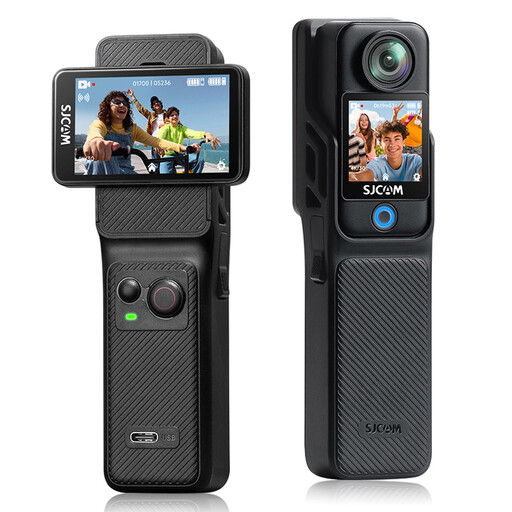
Could suit anyone looking for a pocket gimbal camera for photography on the go. Check that the controls and angle of view are suitable for still landscape photography.
The product name lists a 1″ CMOS sensor, 2× lossless zoom, 4K/240fps and a 2″ rotating screen.
 No image available
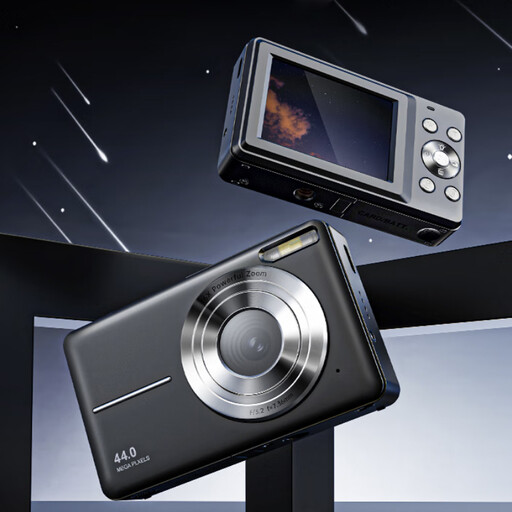
A pocket camera to consider if you’re looking for a compact model for photos and video. Check which angle of view you need from the path.
The product name lists 4K, 44MP and 16× zoom.
 No image available
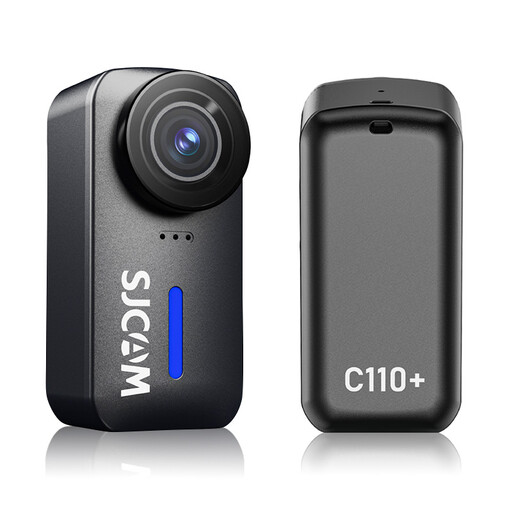
Could suit anyone looking for a compact action camera with a wide angle of view. Check that it works for the composition you want of the reedbed landscape.
The product name lists a 170° wide-angle lens and an f/1.8 aperture.
 No image available
A compact action camera to consider if you’re looking for a wide angle of view. Compare the stated angle of view with the landscape framing you want.
The product name lists 16MP photos, a 154° wide-angle lens, 6-axis EIS and dual touchscreens.
 No image available
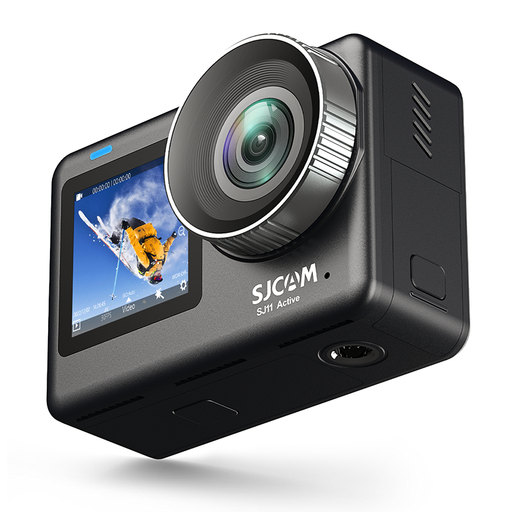
Could be worth considering if you’re looking for an action camera with screens on both sides. Check that the controls and photo features suit the way you plan to use it for landscapes.
The product name lists a 2.33-inch touchscreen, a 1.3-inch selfie display and 4K at 30 fps.
If you’re considering the Panasonic LUMIX TZ99, Panasonic lists Intelligent Auto and Custom 1 and Custom 2 modes. Try your preferred setting in advance to see whether it works for you. The presence of these modes doesn’t tell you how long it will take to take your first photo in practice.
First check the access rules for the specific location. Staatsbosbeheer advises visitors to follow the signs at the entrance. In many areas, access is limited to roads and paths, but the rules can vary from one area to another.
No. First decide whether you want to capture a wide view, a distant detail or both from your vantage point. Panasonic specifies 30× optical zoom and a 1/2.3-type sensor for the TZ99, and 15× optical zoom and a 1.0-type sensor for the TZ300. These involve different trade-offs; they don’t prove that one model is the best choice in every lighting condition.
According to the Dutch Government, you should contact the seller if a product is faulty. The Netherlands has no fixed statutory guarantee period. Your rights depend in part on what you could reasonably expect from the product and the cause of the fault.