
Landscape walker
You want to capture reeds, water and sky in a single composition, and the light may change as you walk. The Consumentenbond highlights image quality, zoom range, size and ease of use as factors to consider when choosing a camera.


Start with what you most want to photograph: for the whole reed landscape, the field of view matters, while optical zoom helps you frame distant details from where you’re standing. A greater zoom range alone doesn’t tell you how a camera performs in low light, so compare the lens aperture and sensor too. Choose a rugged model only if protection from wet conditions matters more to you than the available zoom range.
You want to capture reeds, water and sky in a single composition, and the light may change as you walk. The Consumentenbond highlights image quality, zoom range, size and ease of use as factors to consider when choosing a camera.
You stick to permitted paths and want to fill the frame with reed beds or other details further away. Compare the optical telephoto range in millimetres, and consider whether you can keep your subject in view when zoomed in heavily.
You want to travel light, but protection for your camera in wet conditions may matter more to you than a long telephoto range. Check the protection rating for the exact model; the manufacturer’s specifications for one camera don’t automatically apply to other compact cameras.
First decide whether you mainly want to capture the landscape as a whole, frame distant details or protect your camera from wet conditions. Then compare the field of view, optical range, lens aperture and size of the specific camera.
| What to consider | What should you look for? | Who will this matter most to? |
|---|---|---|
| Wide landscapes and changing light | Compare the wide-angle focal length in mm equivalent and the lens aperture at the setting you’ll use. | If I want to capture reeds, water and the horizon together, I want to know whether the field of view suits my viewpoint. Around 36% of consumers give top priority to wide landscapes and taking photos in changing light. |
| Distant reed details | Compare the optical telephoto range in mm equivalent, not just a zoom factor or digital zoom. | If I want to frame details further away from a permitted path, I look at the optical range and whether I can keep my subject in view when zoomed in. Around 29% of consumers prioritise distant details. |
| Travelling light | Check the dimensions and weight; see whether the stated weight includes the battery and memory card. | If I want to carry as little as possible on a long walk, size and ease of handling matter more to me than extra reach. Around 21% of consumers put travelling with minimal luggage first. |
| Protection from wet conditions | Check the stated water and dust protection for the exact version and compare the lens range. | When I take photos along wet paths, I want to know what protection is specified for my camera and what range it offers. Around 14% of consumers prioritise protection from wet conditions over maximum zoom. |
A zoom factor alone doesn’t tell you the lens’s optical range. It can also be harder to keep your subject in the frame when zoomed in heavily.
Compare the optical focal lengths in mm equivalent and check that the wide-angle view suits the whole landscape you want to capture.
Water resistance is a feature of a specific model, not of compact cameras as a category.
If you’ll be taking photos in wet conditions, check the stated protection for the exact version.
Access rules vary between nature reserves. More zoom can help you frame a shot from a permitted spot, but it doesn’t change the local access rules.
Staatsbosbeheer advises visitors to follow the access signs at the entrance. The Dutch Government states that provinces set the rules for nature reserves, so check the regulations for the area you’re visiting.
According to Sony, the RX100 VII combines a 24–200 mm equivalent range in a compact camera.
The LUMIX TZ99 is a travel zoom model; the TZ300 is a separate model with different stated specifications.
The PowerShot SX740 HS Lite Edition and the G7 X Mark III have different lens ranges; they are not variants that have been tested against each other.
The GR IV is designed for those who compose landscapes using a fixed field of view.
The X100VI has a fixed 35 mm equivalent field of view.
The Tough TG-7 is worth considering if protection in wet conditions is a priority.
This selection of Joybuy products covers cameras for landscapes and taking with you on the go. It also includes vlog, mirrorless and action cameras; check whether the camera type and lens suit the way you like to take photos for each model.
 No image available
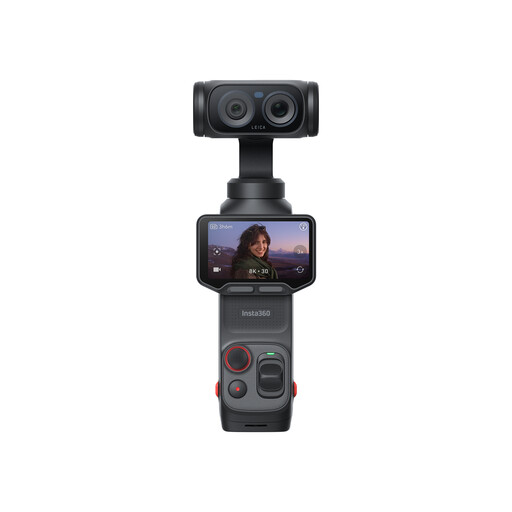
The product information mentions a telephoto lens and zoom for framing distant subjects.
According to the product description, the main sensor is 1 inch in size and the camera offers 6× lossless zoom. The telephoto lens aperture is listed as F2.0.
 No image available
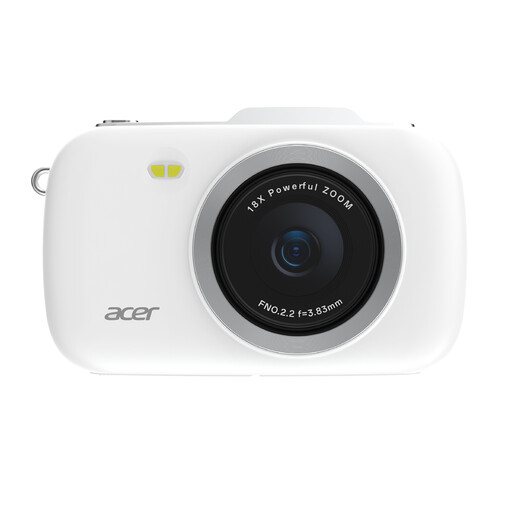
The product description mentions landscapes and distant subjects as possible uses; check whether this type of camera suits your preferences.
The product title lists 4K and 80MP; the description mentions 18× optical zoom.
 No image available
The product title describes this model as a vlog camera; check whether its controls and camera design suit the landscape photos you want to take.
The title lists a 1-inch CMOS sensor, 4K/120fps video, 3-axis stabilisation and a 2-inch rotating touchscreen.
 No image available
This is a mirrorless camera with an interchangeable lens, so it’s a different type of camera from a compact. Bear in mind that you may need extra equipment.
The product information lists an APS-C sensor and a 16–50mm power zoom lens. According to the product description, an adapter and charger are not included.
 No image available
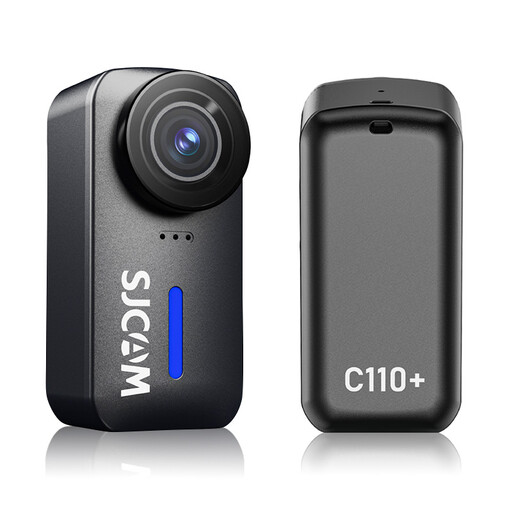
The product title describes this as an action camera; check whether its controls and field of view suit the compositions you want to create.
The title lists a 170° ultra-wide-angle lens, an f/1.8 aperture and 20MP photos. The stated waterproof rating of up to 30 m applies when using the waterproof housing; check that it’s properly sealed before use.
Yes, if you mainly want to compose the whole landscape from where you’re standing. Ricoh specifies a fixed 28 mm equivalent lens for the GR IV. If you also want distant details to appear larger in the frame, compare cameras with optical zoom, such as the RX100 VII, for which Sony lists a 24–200 mm equivalent range.
Pay attention to the shutter speed when your subject is moving. Canon Netherlands recommends using a tripod or a higher ISO setting for a sharp landscape photo if the shutter speed is too slow. A tripod keeps the camera still, but won’t stop moving reeds. This advice doesn’t guarantee a particular result with any specific camera model.
Check which memory card and charging options are compatible with your chosen model, and whether you need a spare battery. The Consumentenbond lists an SD card and spare battery as separate purchasing considerations; also check what’s included in the box for the exact version.
Contact the seller to find a solution. According to the Dutch Government, the Netherlands has no fixed statutory warranty period; a manufacturer’s warranty is in addition to your statutory rights.
Don’t assume that taking photos means you’re allowed to leave the path. Staatsbosbeheer states that most of its nature reserves can only be accessed via roads and paths, and advises visitors to check the access signs for local rules. The Dutch Government says that provinces help determine what is permitted in nature reserves. So check the rules for the area you’re visiting.