
Walkers who want to capture the whole landscape
You want to travel light and capture reeds, water and horizon in a single shot from the path. The Consumers' Association generally describes compact cameras as small and lightweight.


Start with what you want to capture from the path: a wide view of reeds, water and horizon, distant details, or photos on walks where you’re often out in the rain. If you’re shooting in the low light of early morning, the sensor and lens aperture matter too; a high zoom range alone says nothing about performance in those conditions. So compare the specifications and operating conditions for the exact model.
You want to travel light and capture reeds, water and horizon in a single shot from the path. The Consumers' Association generally describes compact cameras as small and lightweight.
You take photos before the morning light gets stronger and want to weigh up the sensor, lens aperture and image stabilisation against the camera’s size and zoom range.
You either want to capture details on the opposite bank up close, or protect your camera on walks where you’re often out in the rain. These needs call for different considerations.
First, decide on the angle of view you want from your usual spot. Then weigh up the morning light and the telephoto reach you need, and check the protection offered if you often walk in wet conditions.
Best for: you if you want to frame both a wide landscape and subjects some distance away on the same walk. Sony lists a 24–200 mm equivalent range and an electronic viewfinder for the RX100 VII; Panasonic lists a 24–360 mm equivalent range and a 1.0-type sensor for the TZ300.
Bear in mind: compare each model separately for weight, sensor and the features that matter in your lighting conditions.
Best for: you if you mainly photograph wide landscapes and nearby details, and low-light performance matters to you. Canon lists a 24–100 mm equivalent range and f/1.8–2.8 for the PowerShot G7 X Mark III.
Bear in mind: its range is shorter than that of cameras with greater telephoto reach, so you’ll need to adjust your framing from your chosen spot to capture distant details.
Best for: you if distant details are a main subject and you want to take photos from a permitted spot. Panasonic lists 30× optical zoom for the TZ99 and, for 4:3 photos, a 24–720 mm equivalent range.
Bear in mind: Panasonic specifies a 1/2.3-inch sensor and f/3.3–6.4 for the TZ99; framing can become trickier at high zoom levels.
Best for: you if you regularly walk in the rain or mud and want to prioritise protection. OM SYSTEM lists the TG-7 as waterproof to 15 m, among other features.
Bear in mind: OM SYSTEM specifies a 25–100 mm equivalent lens for this model; check that the range suits the subjects you want to photograph.
Best for: you if you deliberately shoot with a single angle of view and don’t need a telephoto zoom. Ricoh describes the GR III as approximately 28 mm equivalent and the GR IIIx as approximately 40 mm equivalent.
Bear in mind: the GR III has the wider stated angle of view for expansive landscapes; neither fixed angle of view can replace a telephoto zoom for distant subjects.
| What matters | What to check before buying | Who this matters to |
|---|---|---|
| Wide views and portability | Compare the wide-angle setting, dimensions and weight including the battery. | If I want to capture reeds, water and horizon together from the path without carrying lots of equipment, angle of view and ease of carrying are my priorities. Around 36% of consumers put wide views and portability first. |
| Low morning light | Check the sensor type, aperture and stabilisation; stabilisation won’t freeze moving reeds. | When I’m taking photos before the light gets stronger, I want to factor in the sensor and lens when choosing. Around 29% of consumers give low-light photography top priority. |
| Distant details | Compare focal lengths using the same 35 mm equivalent and aspect ratio. | If I want to capture details on the opposite bank up close from where I’m standing, the telephoto reach I need matters most. Around 21% of consumers choose distant details as their main consideration. |
| Walks in wet weather | Check the protection and operating instructions for the exact model. | When I’m regularly out in the rain or mud, I want to know what protection the camera is rated for and how to maintain it. Around 14% of consumers prioritise protection on wet-weather walks. |
A high zoom figure doesn’t tell you how much of the landscape you can capture from where you’re standing. At high zoom levels, it can also be harder to keep a subject in frame.
First compare the wide-angle setting and the distances at which you usually take photos. Then work out how much telephoto reach you really need.
OM SYSTEM’s waterproof rating applies to the TG-7, not automatically to other compact cameras.
If you regularly take photos in wet conditions, check the protection and operating instructions for the exact model.
According to the Dutch government, the Netherlands has no fixed statutory guarantee period. If a product is faulty, the seller must provide a solution.
Before choosing extra cover, check what additional protection the plan offers and who you should contact if something goes wrong.
The RX100 VII is a compact zoom option for anyone who wants to frame both a wide landscape and subjects some distance away.
The TZ99 focuses on optical zoom range, while the TZ300 offers a different combination of sensor size and reach.
The PowerShot G7 X Mark III is an option for anyone looking for a wide-to-short telephoto zoom and a fast lens.
The Tough TG-7 is worth considering if your walks often take you through wet or muddy conditions.
The GR models are designed for people who deliberately shoot with a fixed angle of view and no optical zoom.
This selection features compact digital cameras with zoom. Check the type of zoom listed for each model, and make sure the angle of view and operating conditions suit your walk.
 No image available
The product information lists 18× optical zoom, which may suit you if you want to frame distant details. Also check the angle of view and the specifications for low-light photography.
 No image available
The title lists 12× optical zoom, which may be useful if you also want to frame distant subjects on your walk. Check that the stated range and other features suit the way you plan to use it.
 No image available
The product title specifies 8× optical zoom. Compare the angle of view and range with the distance from which you usually photograph the reed beds.
 No image available
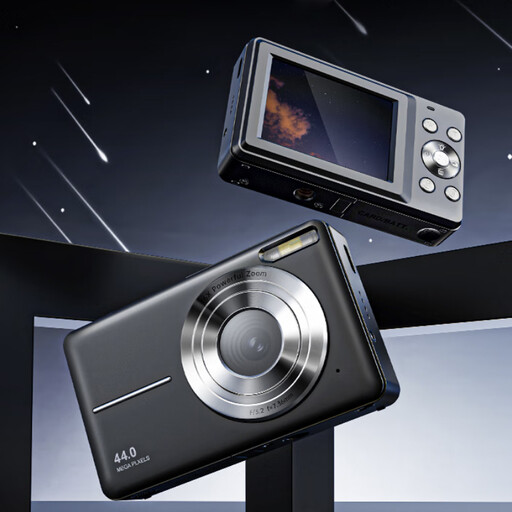
The title describes a pocket camera with 16× digital zoom. Digital zoom is not the same as optical zoom, so check which type you need for capturing distant details.
First choose the angle of view you need from your usual spot: wide enough to capture reeds, water and horizon together, or more optical telephoto zoom to bring a distant detail closer. Compare focal lengths using the 35 mm equivalent, and check the aspect ratio for the TZ99, as Panasonic lists different equivalent ranges for different ratios.
Stabilisation is designed to reduce camera shake, but it doesn’t guarantee sharp photos of moving reeds. For shots like these, check your shutter speed too, and review the result while you’re there.
Check the manual for your exact model for advice on water exposure and aftercare. OM SYSTEM lists a waterproof rating for the TG-7; don’t assume it applies to other cameras.
Not just to get statutory rights: according to the Dutch government, there is no fixed statutory guarantee period in the Netherlands, and the seller must provide a solution if a product is faulty. An extra plan is only worth considering if its terms offer genuinely additional cover.
That depends on the location and local access rules. The Dutch government says that provinces decide what is permitted in nature in their area, so check the rules for the location and, if in doubt, stick to permitted paths.