If you mainly photograph reeds, water and sky in changing daylight, start by considering the angle of view and exposure controls, then decide how much optical reach you need. A camera with a longer telephoto reach is a better fit if you want to frame distant details from an accessible path, while explicit water and dust protection may matter more on wet walks. These considerations are based on published model specifications, not a comparison of measured image quality.
Which type of camera is right for you?
Landscape photographer in changing light
You photograph reeds, water and sky as the sun comes and goes behind the clouds. In that case, the angle of view and adjustable exposure settings should factor into your choice. The model options described here reflect specifications from Canon Nederland, Ricoh Imaging Europe and Fujifilm.
Photographer of distant details
You stick to accessible paths but still want to fill the frame with distant patterns. Optical zoom range may then matter more than a fixed wide-angle lens. This use case aligns with the Consumentenbond buying guide and model specifications from Panasonic Nederland and Sony Nederland; the Dutch government explains that access rules can vary by area.
Outdoor photographer on the move
You carry your camera for long periods and, depending on your route, prioritise portability or protection in wet conditions. Consumentenbond describes compact cameras as generally small and lightweight; OM Digital Solutions publishes specific protection information for the Tough TG-7.
What should you look for when choosing?
First decide whether you mainly want to frame the whole landscape or distant details, then consider how important protection in wet conditions is to you.
| What to consider |
What to look for when buying |
Who should pay extra attention? |
| Exposure and angle of view |
Check the wide-angle setting, manual exposure modes, RAW support and, if applicable, the built-in ND filter for the exact model. |
If I want to capture both reeds and sky in changing light, I want to be able to choose the framing and exposure myself. Around 36% of consumers make exposure and angle of view their top priority. |
| Optical zoom range |
Compare optical focal lengths on the same 35mm-equivalent basis, and check the maximum aperture at the telephoto end. |
When I want to photograph distant reed heads from an accessible path, getting closer isn’t always an option. Around 29% of consumers prioritise optical reach for details like these. |
| Carrying it on a walk |
Check the weight including battery and card, the dimensions, and whether a fixed lens or zoom suits the way you take photographs. |
If I’m carrying the camera for a long time, I want portability to take priority over maximum zoom. Around 21% of consumers put portability first. |
| Water and dust protection |
Look for an explicit protection rating for the exact model and check the conditions of use. |
For a walk where wet or dusty conditions are possible, I want to know what protection the model I’ve chosen actually offers. Around 14% of consumers prioritise this protection. |
Things to watch out for when buying
-
Automatically choosing the biggest zoom figure for changing light
A longer optical zoom range can help with distant details, but the maximum aperture may be smaller at the telephoto end. Panasonic lists f/6.4 at the telephoto end for the Lumix DC-TZ99.
First consider how often you photograph distant subjects, then compare both the zoom range and maximum aperture at the focal length you plan to use.
-
Confusing digital zoom with optical reach
Panasonic lists optical, extra optical, intelligent and digital zoom as separate features. These terms don’t mean the same thing.
For distant subjects, first compare the stated optical focal length and check which aspect ratio the equivalent value applies to.
-
Assuming a compact camera without a protection rating is waterproof
The water and dust protection of the Tough TG-7 applies to that specific model and should not be assumed for other compact cameras.
If you expect exposure to water or dust, check the protection rating and conditions of use for the exact model you’re considering.
-
Leaving a closed path for a better composition
Access may be restricted in some areas, and vulnerable nesting sites may be closed off. Staatsbosbeheer explains that signs prohibiting access are used at such locations.
Check the signs and local rules, and if necessary choose another accessible viewpoint or a suitable optical zoom range.
Camera brands to consider
These models illustrate different options, from a fixed wide-angle lens to a long zoom or extra protection for outdoor use; the features listed apply to each specific model.
Canon
The PowerShot G7 X Mark III combines a wide-angle setting with optical zoom, making it suitable for landscapes and individual clumps of reeds.
- Canon Nederland specifies a 24–100 mm equivalent focal length, f/1.8–2.8 and a built-in three-stop ND filter for this model.
- The optical zoom tops out at 100 mm equivalent; these features don’t automatically apply to other Canon cameras.
Sony
The RX100 VII is a compact zoom option with greater telephoto reach and an electronic viewfinder.
- Sony Nederland specifies a 24–200 mm equivalent focal length and a 1.0-type sensor for this model; it also has an electronic viewfinder.
- Sony does not list a built-in ND filter. The maximum aperture narrows to f/4.5 at the telephoto end.
Panasonic
The Lumix DC-TZ99 is a travel zoom option for capturing a variety of compositions from one spot.
- Panasonic Nederland specifies 30× optical zoom, RAW and manual exposure modes. The 24–720 mm equivalent range applies at 4:3.
- The stated sensor size is 1/2.3 inch and the maximum aperture is f/6.4 at the telephoto end. These are trade-offs to consider as daylight fades.
Ricoh
The GR IV is a compact camera with a fixed wide-angle lens, designed for photographers who deliberately work with a single angle of view.
- Ricoh Imaging Europe specifies an approximately 28 mm full-frame equivalent focal length and five-axis sensor stabilisation for this model.
- The fixed lens has no optical zoom; the manufacturer’s specifications are not an independent performance test.
OM System
The Tough TG-7 is an outdoor option for anyone who values water and dust protection.
- OM Digital Solutions specifies that the TG-7 is waterproof to 15 m, has IP6X dust protection and a 25–100 mm equivalent focal length.
- Its optical zoom range is shorter than that of the Panasonic Lumix DC-TZ99; the protection rating applies specifically to the TG-7.
Cameras at Joybuy
Cameras suited to photography related to this topic; check which landscape photography features are listed for each model.
 No image available
KOMERY G7 5K digital camera, white
The product name describes a portable camera for photography; check whether its stated features are suitable for capturing a reed landscape in changing light.
The product name lists 5K, 80MP and 18× zoom.
View at Joybuy
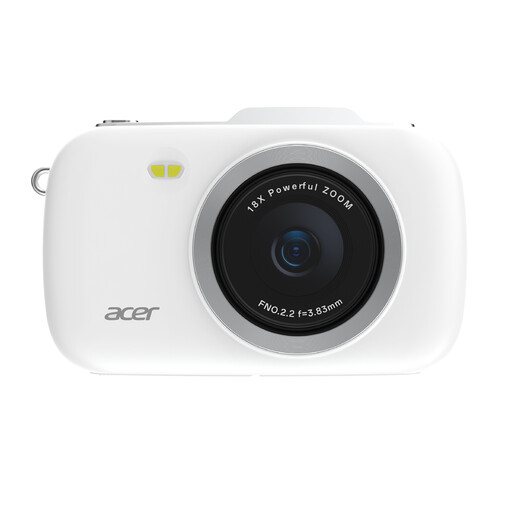 No image available
KOMERY G7-A 4K digital camera, white
The product name describes a portable camera for photography; check whether its stated features are suitable for capturing a reed landscape in changing light.
The product name lists 4K, 80MP and 18× zoom.
View at Joybuy
 No image available
Songdian 4K 44MP pocket camera, pink
The product name describes a compact camera for photography and video; check whether the model offers the exposure settings you need for your landscape shots.
The product name lists 4K, 44MP and 16× zoom.
View at Joybuy
Frequently asked questions
What should you check first when the sun and clouds keep changing while you’re taking photographs?
Check whether the exact model lets you adjust settings manually and supports RAW if you want to edit your images later. Then consider the angle of view and how much sky and reed growth you want to include; extra telephoto reach is a separate consideration.
Is a built-in ND filter useful when photographing moving reeds?
An ND filter can be useful if you deliberately want to let less light in when there’s plenty of light, for example to use a longer exposure. It won’t freeze moving reeds. Availability and strength vary by model: Canon specifies three stops for the G7 X Mark III, Fujifilm specifies four for the X100VI, and Sony does not list a built-in ND filter for the RX100 VII.
What should you check before setting off with your camera?
Check that the battery is charged, the memory card is compatible with the camera and your preferred shooting settings are active. If you’re heading out in wet conditions, don’t choose based on the word ‘compact’ alone; check the protection rating for the exact model. OM Digital Solutions publishes specific water and dust protection details for the Tough TG-7.
What can you do if a camera bought online is faulty?
According to the Dutch government, the seller must provide a solution if a product is faulty. The Netherlands does not have a fixed statutory two-year guarantee; what you’re entitled to expect depends, among other things, on the product, its price and the information provided at the time of sale. Online purchases made at a distance from a business generally also come with a 14-day cooling-off period, separate from your rights if the product is faulty.
Can you enter a reed bed or a closed-off part of a nature reserve to take a photograph?
First check the local access rules and signs. The Dutch government says that provinces decide what is permitted in nature areas; Staatsbosbeheer explains that signs prohibiting access are used at vulnerable nesting sites. This information does not give general permission to enter a reed bed to take a photograph.


