What should you look for when photographing pottery?
Start with the framing and working distance you need, then compare lighting settings, focusing controls and zoom. The stated capabilities vary by model and zoom setting.
| Buying concern |
What should you check? |
Which consumers is this for? |
| Focusing on small details |
Check the minimum focusing distance at each zoom setting. Canon lists 5 cm at the wide-angle end and 40 cm at the telephoto end. For AF Macro, Panasonic lists 3 cm at the wide-angle end and 200 cm at the telephoto end. OM SYSTEM UK states that the TG-7 Micro Adventure Kit can focus from 1 cm; check the version and working distance. |
If I want to fill the frame with crazing, brush marks or texture, I look for close focusing and consider how much of the surface will stay sharp. Around 33% of consumers put capturing small surface details at the top of their buying priorities. |
| Working in changing light |
Compare the maximum aperture at the zoom setting you use: Canon specifies f/1.8–2.8, Sony f/2.8–4.5 and Panasonic f/3.3–6.4. The maximum aperture changes as you zoom. |
If I’m photographing under a stall with limited or changing light, I want to know in advance which aperture is available for the framing I need. Around 27% of consumers prioritise getting usable photos in changing light. |
| Controlling colour and depth of field |
Check which controls the model offers: Canon lists custom white balance and focus bracketing; Panasonic mentions Focus Stacking. Taking a series of shots takes longer than taking a single photo. |
If I want more control over the glaze colour and the area in focus, I look for suitable settings and accept that taking the shot may take longer. Around 20% of consumers give colour and focus control the highest priority. |
| Framing without moving closer |
Consider zoom alongside the telephoto focusing distance: Sony specifies a 24–200 mm equivalent range and around 100 cm at the telephoto end; Panasonic lists 30× optical zoom and 200 cm at the telephoto end. |
If there’s little room to change position between stalls, I want to be able to reframe the subject without assuming that a close-up function works at every zoom setting. Around 20% of consumers prioritise distance and freedom of movement. |
Joybuy product picks
Joybuy product picks suited to this topic.
 No image available
KINSI Mini Vlog Camera 4K
The product title describes a mini vlog camera. For pottery details, check whether its minimum focusing distance suits the framing you want.
The title lists 64 MP, Wi-Fi, a 330° rotating lens and a 1.72-inch touchscreen.
Joybuy
 No image available
Komery W6 12× optical zoom
The stated optical zoom may be useful if you want to reframe the subject from where you’re standing. Also check the focusing distance at the zoom setting you’ll use.
The product title lists 12× optical zoom, 4K video, 64 MP and Wi-Fi.
Joybuy
 No image available
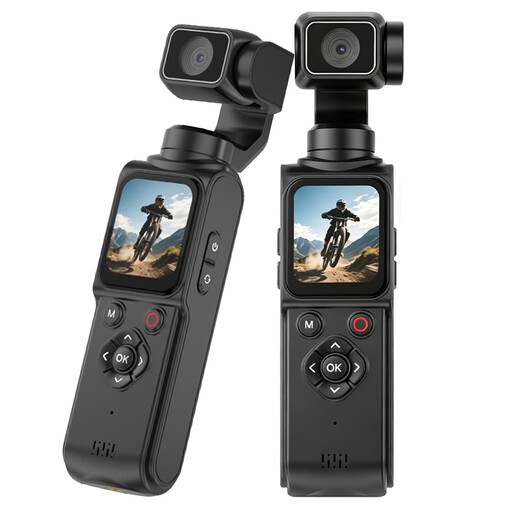
DJI Osmo Pocket 3 Creator Combo
The title describes this model as a compact camera for photography and video. Check whether its controls and focusing distance suit the detail shots you want to take.
The product title lists a 1-inch CMOS sensor, 4K/120fps video, 3-axis stabilisation, fast focusing and a microphone.
Joybuy
 No image available
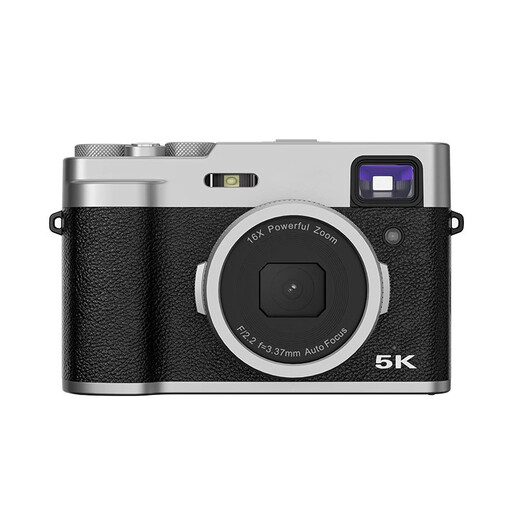
Songdian Digital Camera Retro 48MP
The title describes a compact digital camera for photography. Before buying, check whether the focusing is suitable for the short distance needed to capture small glaze details.
The product title lists autofocus, a 2.8-inch 5K screen and an optical viewfinder.
Joybuy
 No image available
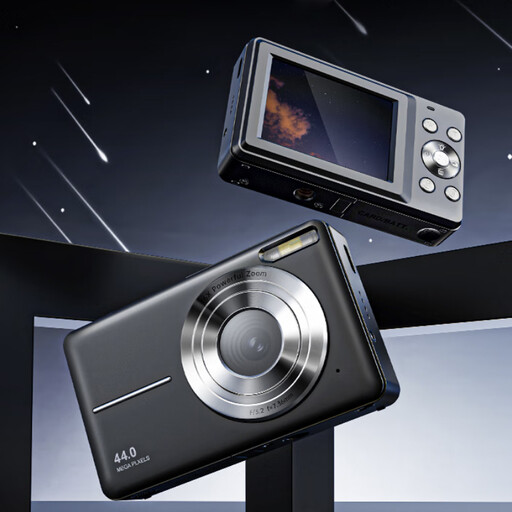
Songdian Pocket Camera 4K 44MP 16× zoom
The stated zoom may help you frame your subject from a fixed position. Check the minimum focusing distance before relying on it for close-ups.
The product title lists 4K, 44 MP and 16× zoom.
Joybuy
Frequently asked questions
Is a short minimum focusing distance enough to get an entire pot in focus?
No. A short minimum focusing distance tells you how close you can focus; depth of field determines how much of a curved object appears sharp at once. If needed, try a different focusing position or a series of focus points, then check the result.
How do I use a camera at a stall with changing light?
Take a test shot to check focus and exposure, and adjust the white balance to suit the available light if needed. For a stationary subject, support can help reduce camera shake, if you can use it safely and with permission at the stall.
Am I automatically entitled to just two years’ statutory warranty on a camera in the Netherlands?
No. According to the Dutch government, the Netherlands has no fixed statutory warranty period; what matters is what you could reasonably expect from the product. If a product is faulty, contact the seller. Damage caused by you and normal wear and tear aren’t automatically covered by free repairs.
Can I take identifiable photos of visitors and publish pictures of the market?
According to the Dutch Data Protection Authority, photos kept solely for private use are covered by an exception for personal or household use. This exception doesn’t automatically apply to public or commercial use; if people are identifiable, check which GDPR legal basis applies. This is separate from any agreements with a stallholder.


