What should you look for when choosing?
First decide whether you mainly need to capture small details, the whole scene, consistent colours or a simple setup. Then check the relevant focusing distance, settings and setup.
| What to consider |
What to check before buying |
Who should pay particular attention? |
| Sharp close-ups |
Check the minimum focusing distance at your preferred zoom setting, and whether the light will get in the way of the camera or subject. |
If you want to capture stitches or small objects close up, you’ll want to know whether you can focus on the framing you need. Around 31% of consumers prioritise close-ups like these. |
| The whole piece in shot |
Measure your available shooting distance and check that the whole patchwork fits in the wide-angle frame; also see whether you can position the camera securely. |
You want to fit the patchwork and small objects into the same frame without your shooting space restricting the composition. Around 25% of consumers prioritise an overall view. |
| Consistent fabric colours |
Check whether the white balance is adjustable and compare shots taken under the same lighting and with the same setup. |
When taking a series of photos, you’ll want to assess fabric colours under similar conditions. Around 25% of consumers prioritise colour consistency over other considerations. |
| A simple setup |
Check which memory card, power supply and any support you’ll need; choose extra features only if they suit the way you take photos. |
You want a manageable camera without extra equipment you don’t need to carry. Around 19% of consumers prioritise simplicity and a minimal setup. |
Joybuy products
The Joybuy products below range from pocket and vlog cameras to an instant camera and a digital camera. Check whether each model is suitable for static overview and detail shots of textiles.
 No image available
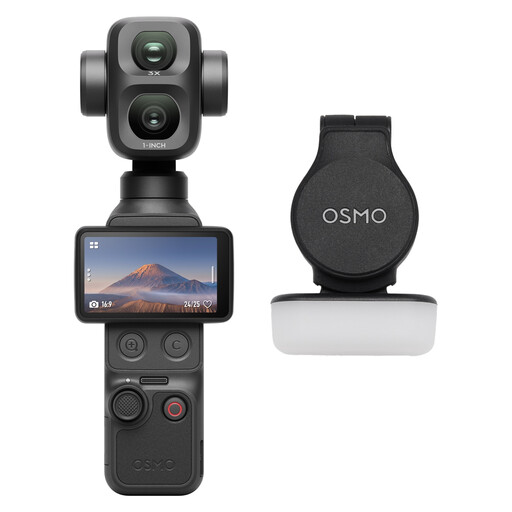
Osmo Pocket 4P Standard Combo – Black
If you want to take a wide shot, check whether this model meets your needs for static overview and detail photos.
Joybuy
 No image available
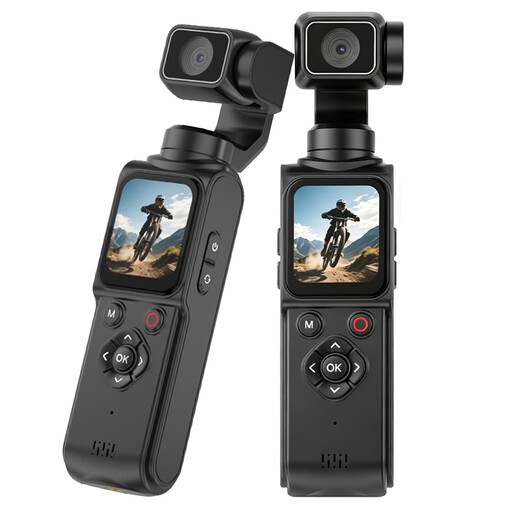
KINSI Mini Vlog Camera 4K
If you need an unusual shooting angle, check whether the rotating lens suits the way you want to photograph your work.
The product name lists 64 MP, a 330° rotating lens, a 1.72-inch touchscreen, face recognition, a tripod and Type-C.
Joybuy
 No image available
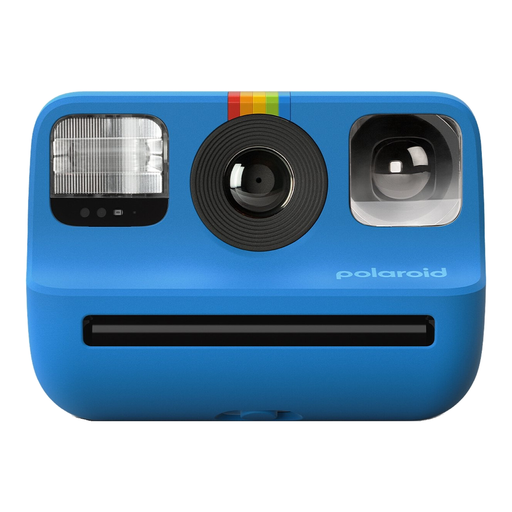
Polaroid Go Gen 2 – Blue
This model could suit you if you want physical prints as well as your photos; check which film it needs before buying.
Joybuy
 No image available
DJI Osmo Pocket 4 Standard Combo
If you’re looking for a compact camera for static photos, check whether this pocket model suits the overview and detail shots you want.
The product name lists 2× zoom and a 2-inch rotating screen.
Joybuy
 No image available
KOMERY G7-A 4K Digital Camera – Pink
If you want to vary your framing, compare the stated zoom with your shooting distance and check that the camera can focus on the small details you want to capture.
The product name lists 80 MP UHD and 18× zoom.
Joybuy
Frequently asked questions
Is a minimum focusing distance of 1 cm enough for both a stitch and the whole patchwork?
No, that distance alone doesn’t tell you whether the whole composition or the lighting will fit in the frame. OM Digital Solutions lists around 1 cm for the Tough TG-7; also check the framing separately for a detail and for the whole piece.
How can you keep consecutive fabric photos consistent?
Keep the lighting and setup as consistent as possible, and check the white balance if the light source changes. A tripod can help you repeat the same framing, but this approach doesn’t guarantee accurate colour reproduction.
What extra equipment should you check before buying?
Check which memory card and power supply are suitable for the version you’ve chosen, and whether you need support for your preferred camera angle. The Consumers’ Association (Consumentenbond) lists an SD card and, possibly, an extra battery as things to consider; Canon says a tripod can help you repeat the same framing.
Who is responsible in the Netherlands if a camera breaks too soon during normal use?
For a consumer purchase, the retailer is responsible for the statutory guarantee. ACM ConsuWijzer explains that you may be entitled to a repair, replacement or refund if the product doesn’t meet what you could reasonably expect; a manufacturer’s guarantee does not replace this right.
Can you return a camera bought online in the Netherlands within 14 days?
For an online consumer purchase, there is generally a statutory 14-day cooling-off period from delivery, with some exceptions. ACM ConsuWijzer distinguishes between buying online and making a standard purchase in a physical shop.


