
Leaf detail photographer
You want to fill the frame with veins, edges or dewdrops. Look at magnification, focusing distance and how easily you can work close to the ground.


For capturing veins and dewdrops without changing lenses, a compact camera with a suitable close-up mode is a practical choice. For photographing leaves in their surroundings and having more choice over magnification, consider a mirrorless camera with a suitable lens. With either option, check the focusing distance and magnification of the lens you’re actually buying: a standard zoom isn’t automatically a macro lens. If you often take photos in damp conditions, check the protection rating of the exact camera model.
You want to fill the frame with veins, edges or dewdrops. Look at magnification, focusing distance and how easily you can work close to the ground.
You want to capture leaves in their surroundings and a variety of garden scenes. A standard zoom can be a good starting point, but check that it can also focus close enough.
You often take photos among wet grass or in dewy conditions. Check the protection rating of the specific model and follow the care instructions for your camera and lens.
Best for: photographing small details, especially if you often deal with damp conditions. According to OM SYSTEM Netherlands, the OM SYSTEM TG-7 has a microscope mode and is waterproof to 15 m, according to the manufacturer.
Consider: the built-in lens can’t be changed, so check that the close-up mode and angle of view suit both your leaves and the rest of the garden.
Best for: switching between garden scenes and close-ups, with the option to use a different lens later. The Canon EOS R50 supports RF and RF-S lenses, according to Canon Netherlands.
Consider: a separate macro lens means extra kit. Canon specifies up to 1:2 magnification for the separate RF 35mm F1.8 MACRO IS STM, not for the standard kit zoom.
Best for: switching between a wider garden view and a tighter crop without changing lenses. According to Sony Netherlands, the Sony RX100 VII has a 24–200 mm equivalent zoom range.
Consider: the minimum focusing distance changes with the zoom setting: Sony lists approximately 8 cm at the wide-angle end and approximately 100 cm at the telephoto end, measured from the front of the lens.
| What to consider | What to look for | Who is this important for? |
|---|---|---|
| Small leaf details | Magnification and focusing distance, including at your preferred zoom setting. | I want to fill the frame with veins or dewdrops, so I’m mainly looking at how close I can focus. Around 36% of consumers put small leaf details first. |
| Leaf and garden scene | The zoom range of the supplied lens and the distance at which it can focus. | I want to frame a whole leaf with branches or the garden around it, and capture a variety of crops. Around 29% of consumers prioritise an overview of the garden. |
| Less extra kit | A built-in zoom or the exact contents of the mirrorless camera kit. | I want to take a photo quickly without changing lenses or carrying extra accessories. Around 21% of consumers name convenience as their top priority when choosing. |
| Damp conditions | The protection rating of the exact camera model and, where applicable, the lens you’re using. | I often take photos in dewy conditions or among wet leaves, and want to know what conditions my equipment can handle. Around 14% of consumers put protection from moisture first. |
The maximum magnification of Canon’s RF 35mm F1.8 MACRO IS STM applies to that separate lens, not automatically to every EOS R50 kit zoom.
Check the exact kit contents and the magnification of the lens you’re actually buying.
The minimum focusing distance of the Sony RX100 VII varies significantly between wide-angle and telephoto, which matters when you want to capture small details.
Check the focusing distance and the crop you want at the same zoom setting.
The waterproof rating listed by OM SYSTEM for the TG-7 applies to that specific model and says nothing about the protection offered by other cameras or lenses.
Read the instructions for the exact camera body and lens before using them in the rain.
The TG-7 is a rugged compact camera for close-ups in a damp garden.
The EOS R50 with RF-S 18-45mm is a mirrorless camera kit for garden photography, with the option to choose a different lens later.
The Z50II kit with NIKKOR Z DX 16-50mm VR includes a zoom lens for framing garden scenes in different ways.
The RX100 VII is a compact camera with built-in zoom for capturing different crops without changing lenses.
Below are camera options on Joybuy related to this topic. Before buying, check the close-up capabilities and focusing distance of the exact model for capturing leaf details; a camera description or wide-angle lens doesn’t by itself tell you whether it can focus closely enough to capture veins clearly.
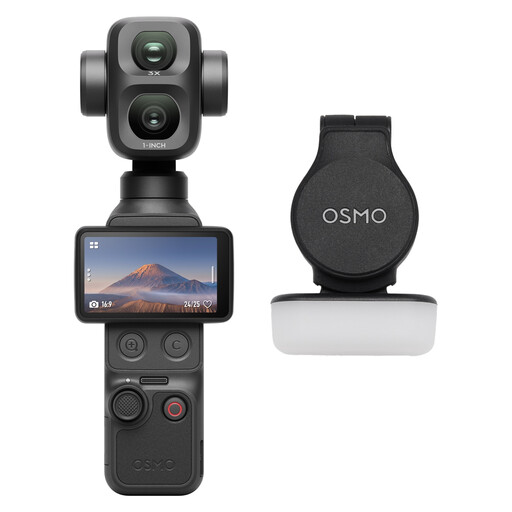 Image unavailable
The product information lists a 20 mm f/2.0 wide-angle lens, an option to consider if you also want a wider view of the garden.
Check separately that the focusing distance suits the close-ups you want to take.
Lens: 20 mm f/2.0 wide-angle.
 Image unavailable
The listed 1-inch CMOS sensor and rotating touchscreen are specifications to consider when comparing models; also check that the close-up distance suits your leaf photography.
Sensor: 1-inch CMOS. Weight: 179 g.
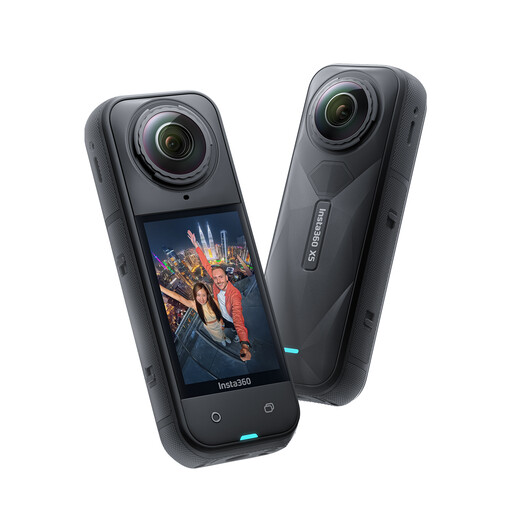 Image unavailable
If you’re comparing this model for garden photography, consider the difference between a 360° shot and a close-up of a small leaf.
Product name: 8K 360° action camera. The product information lists interchangeable lenses and stabilisation.
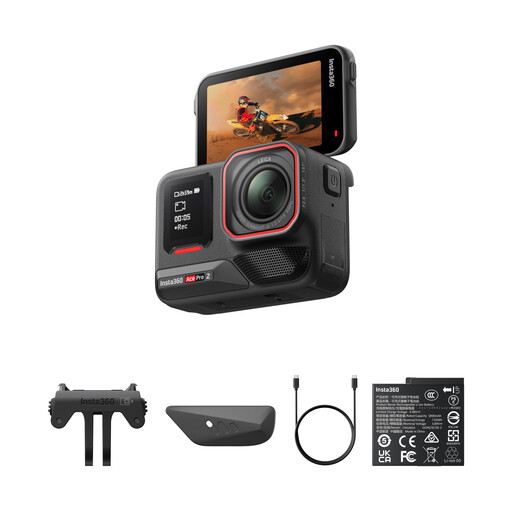 Image unavailable
Compare this model with your leaf photography needs only after checking that the focusing distance suits the close-up you want.
The product name lists a 1/1,3-inch sensor, 8K and a bundle with two batteries.
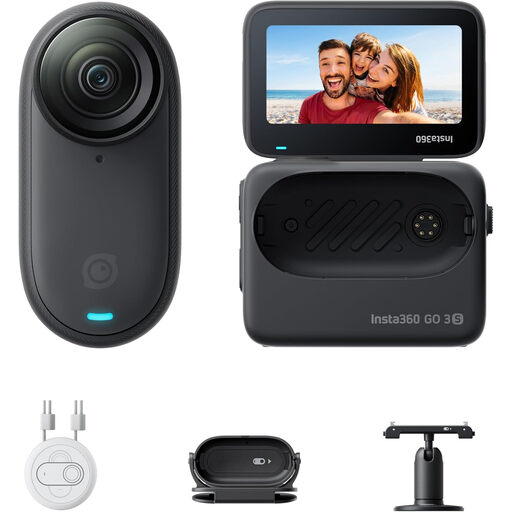 Image unavailable
The product name describes a portable mini camera; check that its angle of view and focusing distance suit both your garden photography and any close-ups you want to take.
The product name lists 4K, 128GB, a maximum battery life of 140 minutes and waterproofing to 10 m.
Not necessarily: a close-up mode may be enough if it makes the leaf large enough for what you have in mind. If you want greater magnification with a mirrorless camera, check the specific lens. Canon lists up to 1:2 magnification for the separate RF 35mm F1.8 MACRO IS STM, not for the EOS R50 kit zoom.
It depends on the lens’s focusing distance and magnification, so don’t judge by the zoom range alone. Nikon Netherlands lists a minimum focusing distance of 0.2 m for the Z DX 16-50mm; that figure alone doesn’t tell you whether veins will appear large enough in the frame.
Check the focus point and, if needed, support the camera to reduce movement. Zoom.nl notes that macro photography can have a shallow depth of field. A tripod can help reduce camera shake, but moving leaves can still come out blurred.
No, don’t assume a camera is protected just because it’s a compact. OM SYSTEM lists the TG-7 as waterproof to 15 m; check the instructions for the exact model and lens you’re using before taking photos in wet conditions.