What should you look for when choosing?
Pocket-sized compact camera with travel zoom
A good fit if: you want to switch between a harbour panorama and individual boats from the quayside, without carrying a large camera.
The trade-off: the stated telephoto ranges vary by model and don’t tell you which camera performs better at twilight.
Shorter zoom with a larger sensor
A good fit if: 200 mm equivalent is enough for your composition and you also want to consider sensor size and lens aperture.
The trade-off: Sony specifies 24–200 mm equivalent for the RX100 VII. That’s a shorter telephoto range than the travel zooms mentioned here, and a larger sensor doesn’t guarantee a particular result at twilight.
Bridge camera for distant details
A good fit if: you want to fill the frame with a subject a long way away and don’t need a pocket-sized camera.
The trade-off: Nikon specifies a weight of around 1.4 kg for the COOLPIX P1100, so weigh the range you want against the camera you’re willing to carry.
Start with the composition you need from your chosen viewpoint. Then decide how much weight you’re willing to carry and what lighting conditions matter to you.
| What to consider |
What to check before buying |
Who should pay extra attention? |
| Framing from a fixed viewpoint |
Compare the optical telephoto and wide-angle focal lengths, in 35mm equivalent, for the exact model. |
If I can’t get closer to the boat, I want to know whether the lens can achieve the composition I want and still capture a harbour panorama. For around 36% of consumers, framing is the top priority. |
| Taking it along on a walk |
Check the camera’s dimensions and weight, including the battery, and decide whether you need a pocket-sized model. |
I want to have the camera with me on the go and, if necessary, accept a shorter maximum telephoto range. Around 29% of consumers put portability first. |
| Taking photos at twilight |
Compare the sensor size and maximum lens aperture at the focal length you use; where possible, assess photos taken in similar lighting conditions. |
If I also take photos in fading light, I want to consider the lens and sensor specifications alongside the zoom range I need. For around 21% of consumers, taking photos in lower light is the top priority. |
| Exceptionally distant details |
Consider the subject and distance, then compare the optical telephoto limit and weight, rather than an extended digital range. |
I want to frame a very distant subject and may be willing to carry a larger camera to do so. Around 14% of consumers give this exceptional range top priority. |
Joybuy cameras for this subject
These Joybuy product picks are digital cameras suited to harbour photography. Check the optical range and protection offered by each model to make sure they’re right for how you plan to use it.
 No image available
KOMERY G7-A 4K digital camera, pink
A portable camera option. Check the optical range of the exact model before choosing it for distant harbour details.
The product name lists 4K and 18X zoom.
View at Joybuy
 No image available
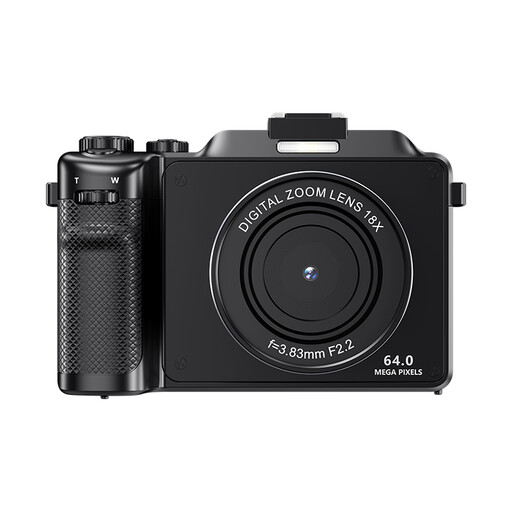
Komery X9 4K 64MP camera, black
Check this compact camera’s optical range before relying on it for a tight composition of a distant subject.
The product name lists 18X digital zoom; the product information warns that digital zoom can reduce image quality. The camera is not waterproof, so avoid water and high humidity.
View at Joybuy
 No image available
KOMERY G7 5K digital camera, white
If you’re considering this camera for a walk around the harbour, check whether its optical range suits the composition you want.
The product name lists 5K and 18X zoom; you’ll need the optical focal lengths in 35mm equivalent to compare its range with other cameras.
View at Joybuy
 No image available
Komery W6 4K 64MP camera with 12X optical zoom
The stated optical zoom may be useful if you want a tighter composition from a fixed spot; compare the range in 35mm equivalent too.
The product name lists 12X optical zoom, 4K and Wi-Fi.
View at Joybuy
 No image available
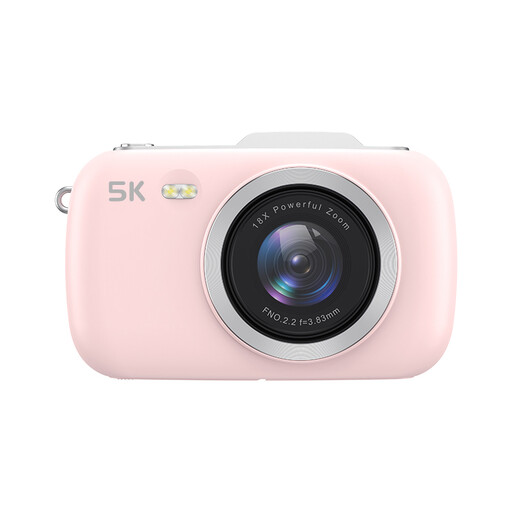
KOMERY G7 5K digital camera, pink, without SD card
Check the optical range before choosing this camera for distant harbour details, and consider the conditions you’ll be using it in.
The product name lists 18X zoom and states that no SD card is included. The product information advises keeping the camera away from water and moisture.
View at Joybuy
Frequently asked questions
Is 40× zoom the same as 40× digital zoom?
No. Canon lists 40× optical zoom, 80× ZoomPlus and around 4× digital zoom separately for the PowerShot SX740 HS Lite Edition. Compare the optical limits of the exact camera to see if it can achieve the composition you want.
How can you photograph both the whole harbour and a distant boat?
Start at the wide-angle end for a panoramic view, then use optical zoom for a tighter composition. Check from your chosen spot that both framings work: Panasonic and Canon each specify a 24 mm equivalent wide-angle limit for the models mentioned, but their telephoto limits differ.
Can you use a standard zoom compact camera around splashing water or sand?
Don’t assume that a standard zoom compact camera is water- or sand-resistant. Consumentenbond classifies outdoor cameras with protection against moisture and sand as a separate type. Check the protection and care instructions for the exact camera before taking photos in these conditions.
What are your rights when you buy a camera online?
According to Rijksoverheid, when you buy at a distance you generally have a 14-day cooling-off period in many cases; the seller must provide information about the product and cooling-off period, among other things, before you buy. If a product is faulty, you also have legal rights to a repair or replacement. A commercial guarantee is in addition to your statutory protection.
Can you share harbour photos showing identifiable people publicly?
Apply the privacy rules to the specific situation. The Dutch Data Protection Authority considers identifiable people in images to be personal data. There is an exception for personal use or sharing with a very limited group, but not necessarily for public or commercial sharing. You’ll need an applicable GDPR legal basis; according to the Dutch Data Protection Authority, consent is the appropriate basis in many cases.


