
Photographer in morning light
You want to capture both the bright sky and the dark areas of the harbour. So consider the angle of view and exposure options, not just the maximum zoom.


Start with your vantage point: a wide-angle lens is important for capturing the whole skyline, while ships on the other side of the harbour call for optical telephoto reach. Then compare the sensor and lens for the light you’ll be shooting in, and check that the camera’s size and protection from wet weather suit your walk. More zoom doesn’t automatically mean better photos on a dark morning.
You want to capture both the bright sky and the dark areas of the harbour. So consider the angle of view and exposure options, not just the maximum zoom.
You’ll be staying somewhere easy to access and want to photograph distant ships or details as well as the panorama. Optical telephoto reach is an important factor here.
You’re taking the camera with you along the water and would rather prioritise portability or clearly stated protection from moisture than maximum reach.
| What to consider | What to look for | Who should pay particular attention? |
|---|---|---|
| Changing morning light | Compare the sensor size and maximum aperture at the zoom setting you use. Also check exposure compensation and whether the camera can save RAW files. | If you want to capture the bright sky and dark quaysides in one shot, look beyond the zoom setting. Around 28% of consumers prioritise morning light. |
| Capturing the whole skyline | Compare the widest angle of view in millimetres (35mm equivalent) from your vantage point. Also consider the aspect ratio you choose. | If you can’t step any further back from the quayside, you’ll want to fit the whole horizon into your frame. Around 22% of consumers prioritise skyline composition. |
| Easy to carry | Compare the dimensions and weight when ready to use, including the battery and memory card. Consider whether a coat pocket, bag or wrist strap would work for you. | Size and carrying style matter if you want a camera that’s easy to take along on an everyday walk. Around 22% of consumers prioritise portability. |
| Distant ships and details | Compare the optical range in millimetres (35mm equivalent); don’t count digital magnification as extra optical reach. Balance the range against the lens and sensor for the light you’ll be shooting in. | If you want to frame ships on the other side of the harbour from an accessible fixed spot, telephoto reach is key. Around 17% of consumers prioritise distant subjects. |
| Use in wet weather | Check the water and dust protection for the exact model, its conditions of use and the lens range. Don’t assume it’s protected unless this is explicitly stated. | If you want to take your camera along the water when it might be wet, it’s worth checking the stated protection. Around 11% of consumers prioritise this. |
A greater zoom range doesn’t tell you on its own how a camera performs in low light or how much of the skyline you can fit in the frame. Consumentenbond highlights the trade-off between high zoom, sensor size and image quality.
Compare the widest angle of view, the telephoto end, sensor size and maximum aperture at the telephoto end together.
Manufacturers list optical zoom and digital magnification separately. So the highest figure given doesn’t necessarily describe the reach of the optical lens.
For comparisons, use the stated optical zoom and focal lengths in 35mm equivalent.
A protection rating applies to the specific model for which the manufacturer gives it. Consumentenbond warns that sand between moving lens parts can cause damage.
Check the protection rating and conditions of use for the exact model, and keep even a rugged camera clean.
The RX100 VII combines a wide range with telephoto zoom, for anyone who wants to switch between panoramas and distant subjects.
The PowerShot G7 X Mark III has a shorter, faster zoom range, while the SX740 HS Lite Edition offers much greater telephoto reach.
The LUMIX DC-TZ99 is a travel zoom for wide harbour views and distant subjects from the same spot.
The GR IV has a fixed 28 mm equivalent lens, for photographers who deliberately choose a single wide angle of view.
The Tough TG-7 is worth comparing if protection against wet conditions is a priority.
The X100VI has a fixed 35 mm equivalent lens for anyone who values that angle of view and hands-on exposure settings.
The options shown include compact handheld cameras, action cameras and gimbal models. Before buying, check that the lens, recording features and controls suit taking still photos of a harbour panorama.
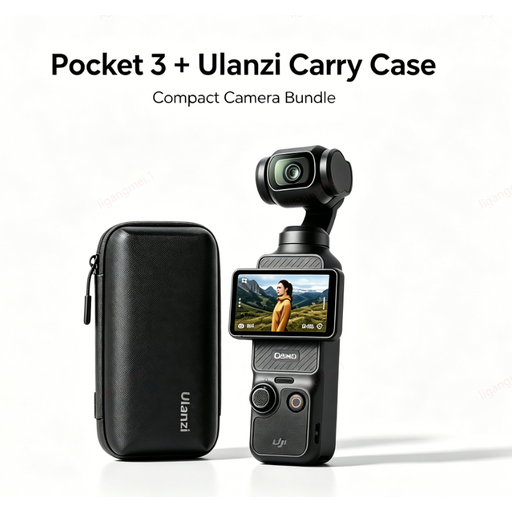 No image available
The compact handheld camera and included case could suit you if you mainly want a camera to take on a walk; check that its photo and lens features are right for your skyline shots.
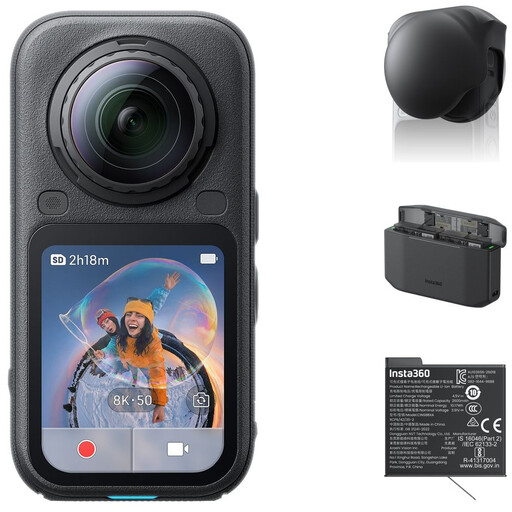 No image available
This bundle could be useful if you want to capture multiple angles during a walk; check that 360° video and its photo features suit what you have in mind.
According to the product name, the bundle includes the Standard Bundle, Lens Cap, Xtreme Battery and Fast Charge Case.
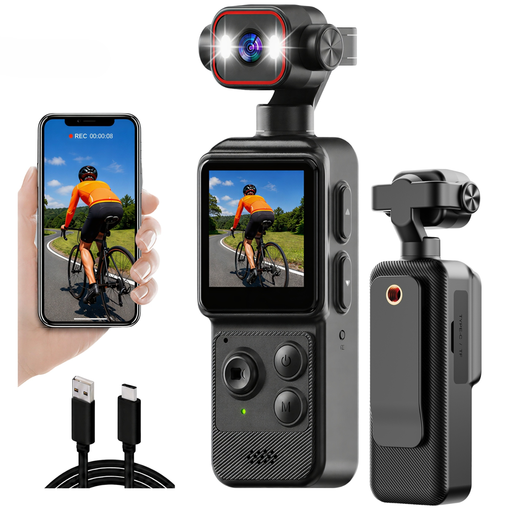 No image available
The mini size and clip could suit you if you want to take a small camera on your walk; check that the image and controls are suitable for your harbour photos.
The product name lists a 1.54-inch display, a 140° wide-angle lens, app control, LED light and a 1200 mAh battery.
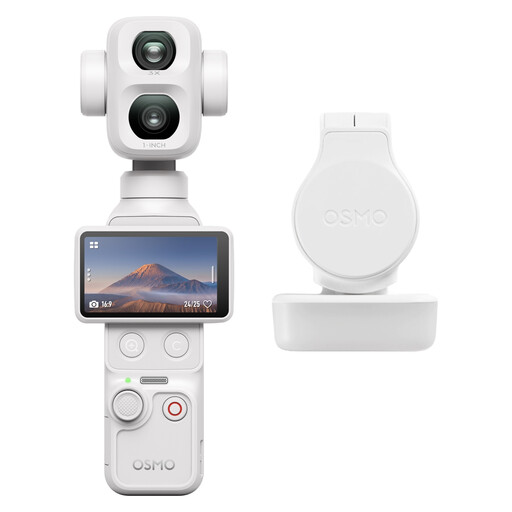 No image available
A pocket-sized camera could suit you if you want to take a compact handheld camera on a walk; check the lens and still photo features before choosing it for skyline shots.
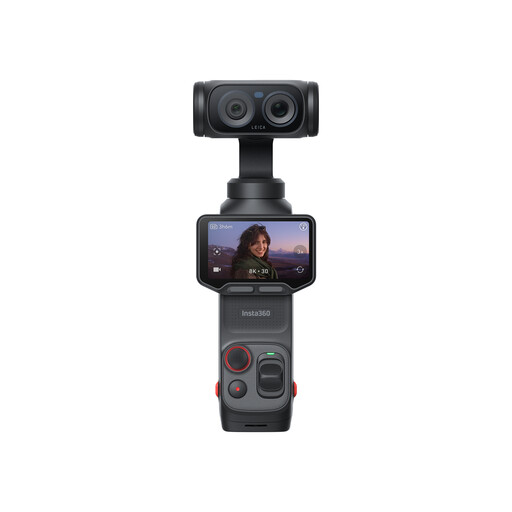 No image available
This handheld camera could be worth considering if you want to frame subjects at different distances; before buying, check which lens settings and photo features are available for your needs.
First, choose an angle of view that suits the panorama, then check whether the camera offers exposure compensation and, if you need it, RAW. Compare the lens and sensor at the zoom setting you’ll actually use. Image stabilisation doesn’t guarantee a well-exposed photo of a moving ship.
Keep the camera protected and carefully remove any grains of sand, especially around moving lens parts. Consumentenbond recommends using a dry microfibre cloth on the body and a blower brush to remove dust from the lens. Don’t apply cleaning fluid directly to the lens.
According to ACM ConsuWijzer, the seller is responsible for the statutory guarantee if a product is faulty; a manufacturer’s guarantee doesn’t replace it. For an online purchase, you generally have up to 14 days after delivery to change your mind, although exceptions apply. Before buying, check who the seller is and which terms and conditions apply.
That depends on the location and access rules. For the Port of Rotterdam, the Port Authority advises staying on public roads; industrial sites are off limits without permission. Ask the relevant company for permission before taking photos of or on those sites, and check the rules for the harbour where you’re taking photos.
Not automatically. The Dutch Data Protection Authority distinguishes between private use or sharing with a very limited circle and sharing publicly or for business purposes. The personal or household use exemption doesn’t apply to public or business sharing; before publishing, consider which GDPR legal basis applies.