First decide whether you mainly need close-ups of small flower details, a mix of shots of stalls and flowers in the distance, or files for editing and printing. Then compare the focusing distance at the zoom setting you want, the optical zoom range and your framing options. Decide on your print size in advance too, as cropping can cut out parts of the image.
Who is this buying guide for?
Flower detail photographer
You want to fill the frame with individual flowers and need to focus from a distance that’s practical at a busy stall. OM SYSTEM lists a microscope mode for the TG-7 that can focus from 1 cm; Canon quotes that distance for the SX740 HS Lite Edition only at the wide-angle setting in macro mode.
Market storyteller
You switch between a whole stall and flowers further along the market aisle. Sony, Panasonic and Canon list different optical zoom ranges for various models, which you can compare with the compositions you want to create.
Exhibition photographer
You select and edit photos for printing and want to know in advance how much room you have to crop. Fujifilm specifies RAW shooting and 40.2 effective megapixels for the X100VI; CEWE explains that a fixed print ratio can mean a photo is cropped.
What should you look for when buying?
Close-up focus
Choose this option if: small flower details will be the centrepiece of your exhibition photos and you can photograph the flower from the available working distance.
Bear in mind: a quoted minimum focusing distance doesn’t tell you how much of the flower will fit in the frame or how much room you’ll have for light. OM SYSTEM quotes 1 cm for the TG-7; Canon quotes 1 cm for the SX740 HS Lite Edition only at the wide-angle setting in macro mode.
Optical zoom
Choose this option if: you want to frame both stalls and flowers further away from the market aisle. Compare the range in 35 mm-equivalent focal lengths: Sony specifies 24–200 mm for the RX100 VII, Panasonic 24–720 mm for the DC-TZ99 and Canon 24–960 mm for the SX740 HS Lite Edition.
Bear in mind: a longer telephoto reach doesn’t guarantee a short focusing distance when you zoom in. The Consumentenbond points out that cameras with a high zoom ratio generally have a smaller sensor.
Fixed angle of view
Choose this option if: you can move around to compose your shots and want to select or edit photos later. Fujifilm specifies a fixed 35 mm-equivalent angle of view, RAW shooting and 40.2 effective megapixels for the X100VI.
Bear in mind: a fixed lens won’t bring a distant subject closer optically. Check how many pixels will remain after cropping to your chosen print size.
| What matters |
What to check before buying |
Which shoppers is this for? |
| Flower details at a workable distance |
Compare the focusing distance, focus point and macro mode at each zoom setting. |
If I want to capture small flower details from the edge of a busy stall, the camera needs to focus at that working distance and zoom setting. Around 31% of shoppers put flower details first. |
| Stalls and subjects further away |
Compare the optical range in 35 mm-equivalent focal lengths, not just the zoom ratio. |
I want to switch between a wide shot of a stall and flowers further away from the market aisle. Around 25% of shoppers prioritise being able to vary their framing. |
| Exposure and print files |
Check the file type, aspect ratio and pixel dimensions after cropping as planned; ask the print service about its file requirements. |
If I’m selecting photos for an exhibition, I want to know whether important flower and stall details will remain in the print crop. Around 25% of shoppers prioritise printing and editing. |
| Portable kit |
Check the dimensions, weight including battery and card, controls and what you’ll need on the day. |
When I’m walking around the market and want to take photos quickly, how much kit I want to carry matters. Around 19% of shoppers put portability first. |
Common pitfalls
-
Assuming the highest zoom ratio means the best flower photos
Optical range doesn’t tell you how close a camera can focus at every zoom setting. The Consumentenbond also points to the trade-off between a high zoom ratio and sensor size.
Compare the optical range, sensor and focusing distance in the setting you’ll use to photograph the flower.
-
Treating a digital crop as optical zoom
The X100VI and Leica Q3 have fixed lenses; cropping won’t optically bring a flower further away any closer.
Check whether you can move closer and how many pixels will remain after cropping for your planned print.
-
Deciding on the print ratio only after taking your photos
CEWE explains that a photo may be cropped to fit a fixed 2:3 ratio. This can leave parts of the composition outside the print.
Decide on your preferred frame and print size before selecting your final photos.
-
Assuming identifiable market visitors can be photographed and their images shared freely
An identifiable person in a photo is personal data. According to the Dutch Data Protection Authority (Autoriteit Persoonsgegevens), private use and sharing with a wider audience are not automatically the same; when an organisation uses the image, it needs an applicable legal basis under the GDPR.
Discuss identifiable people and how you intend to use the photos with the organiser in advance. If necessary, choose images in which visitors can’t be identified.
Camera brands to compare
Canon
The PowerShot G7 X Mark III combines a shorter zoom range with a range of manual settings, while the SX740 HS Lite Edition offers greater optical reach in a compact body.
- Canon specifies a 1.0-type sensor and a 24–100 mm 35 mm-equivalent focal length for the G7 X Mark III, with a maximum aperture of f/1,8–f/2,8.
- The stated minimum focusing distance for the G7 X Mark III varies between wide-angle and telephoto: 5 and 40 cm respectively. For the SX740 HS Lite Edition, it’s 1 cm at the wide-angle setting in macro mode; this isn’t an independent comparison of print quality.
Sony
The RX100 VII is an option if you want to combine a 1.0-type sensor with 24–200 mm 35 mm-equivalent optical zoom.
- Sony specifies f/2,8 at wide angle and f/4,5 at telephoto.
- The stated focusing range starts at approximately 8 cm at wide angle and approximately 100 cm at telephoto. Check whether you can get the flower close-up you have in mind at your preferred zoom setting.
Panasonic
The LUMIX DC-TZ99 is an option if you want to compare optical zoom range while shooting from the market aisle.
- Panasonic lists a 24–720 mm 35 mm-equivalent range and Focus Stacking.
- These features alone don’t guarantee a successful macro shot or a file suitable for an exhibition.
OM SYSTEM
The Tough TG-7 is worth considering when capturing small, accessible flower details is your priority.
- OM SYSTEM lists a microscope mode that can focus from 1 cm.
- The micro adventure kit mentioned is a specific bundle that includes, among other things, an LG-1 light guide and an extra battery; don’t confuse it with the camera on its own.
Fujifilm
The X100VI is suited to anyone who wants to work with a single, fixed angle of view and select or crop photos later.
- Fujifilm specifies an APS-C sensor, 40.2 effective megapixels, RAW shooting and a fixed 35 mm-equivalent lens.
- The fixed angle of view limits your composition if you can’t get closer to a flower on the market aisle.
Leica
The Q3 is a fixed-lens option for anyone considering a specialist camera for flower details and exhibition photos.
- Leica lists a fixed 28 mm f/1,7 lens, an integrated macro mode with a minimum focusing distance of 17 cm and a 60 MP sensor.
- The digitally selectable crop of up to 90 mm isn’t optical zoom. Manufacturer specifications aren’t an independent assessment of flower photos.
Joybuy products
These Joybuy products include instant-print cameras, a mini action camera and a digital camera. Compare the features listed with your requirements for flower details, file editing and exhibition prints.
 No image available
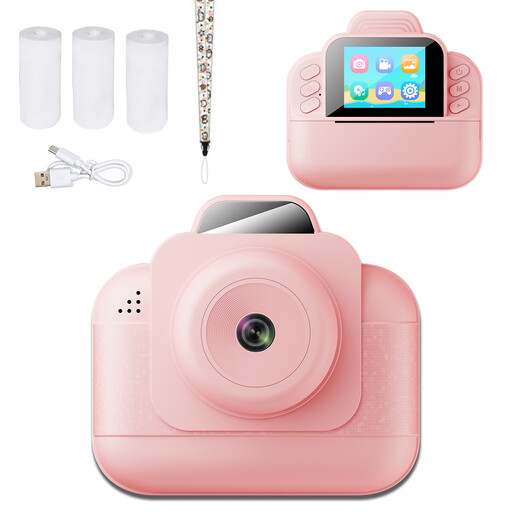
Instant print camera for children with 2.4-inch HD screen
If you want to print thermal black-and-white photos straight away as well as taking pictures, this camera has a built-in printer.
The product name lists 1080P video, 20 games, 5 filters, 4 mirror effects and a 1300 mAh battery. A TF card is required to store colour photos; it isn’t included.
View at Joybuy
 No image available
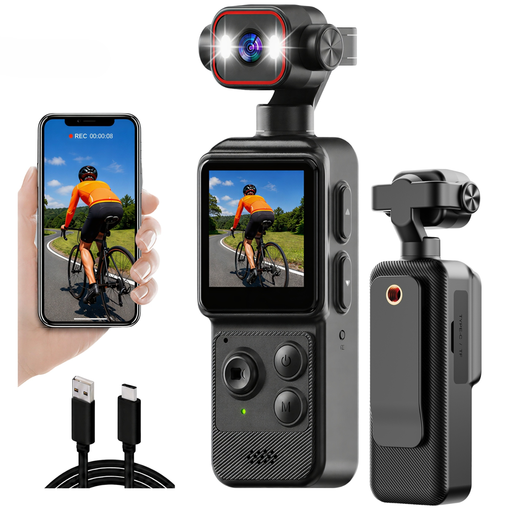
4K mini action camera with clip and 140° wide-angle lens
The clip is listed as a mounting option for clothing or a bag when you want to take photos while walking.
The product name lists a 1.54-inch display and a 140° wide-angle lens. App control, LED lights and a 1200 mAh battery are also mentioned.
View at Joybuy
 No image available
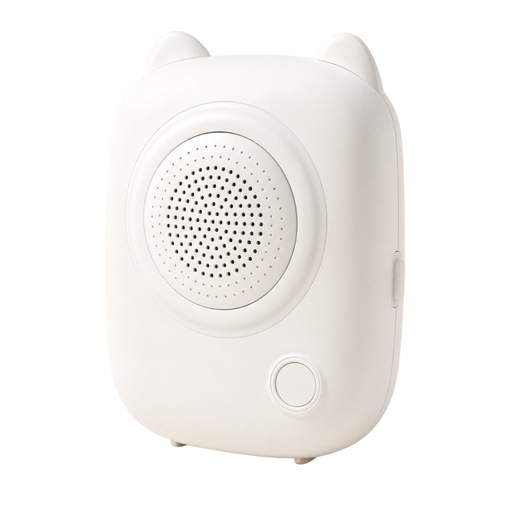
AI children's camera with thermal printer
The instant photo feature may suit anyone who wants to print a photo straight away as well as taking digital pictures.
The product name lists a thermal printer and an instant photo feature; the product is described as a children's camera.
View at Joybuy
 No image available
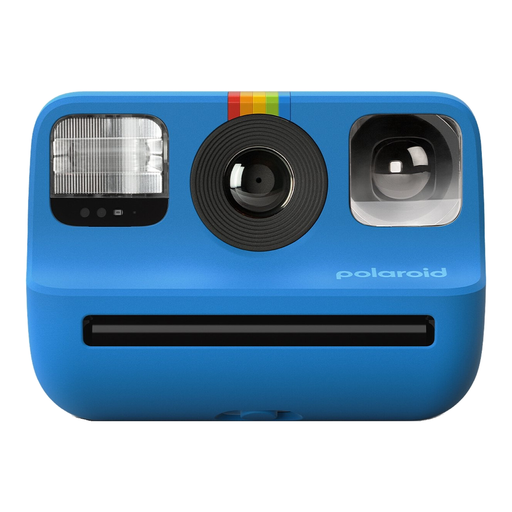
Polaroid Go Gen 2 – Blue
If you want a tangible photo straight away while taking pictures, this model uses Polaroid Go film.
The stated print dimensions are 66,6 × 53,9 mm. The model is compatible with Polaroid Go film.
View at Joybuy
 No image available
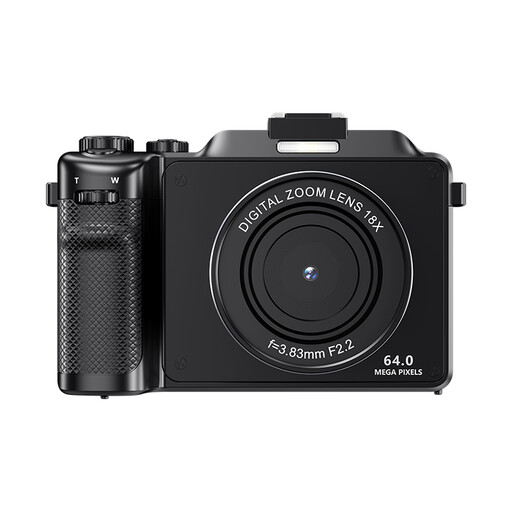
Komery X9 4K 64MP digital camera
Autofocus and a built-in flash are listed for this camera; check that its controls and features suit the photos you plan to take.
The product name lists 18× digital zoom, and the description warns that digital zoom can reduce image quality. A flash and image stabilisation are also mentioned.
View at Joybuy
Frequently asked questions
Does the shortest macro distance also apply when you zoom in?
Not necessarily; the stated distance can vary depending on the zoom setting. Canon quotes 1 cm for the SX740 HS Lite Edition at the wide-angle setting in macro mode; Sony lists approximately 8 cm at wide angle and approximately 100 cm at telephoto for the RX100 VII, measured from the front of the lens. Compare the setting you’ll use to frame the flower.
How should you prepare photos for a frame at a local exhibition?
First, ask about the print size and file requirements. CEWE explains that a fixed 2:3 ratio can mean a photo with a different aspect ratio is cropped. Check in advance that important flower and stall details will remain in the final crop.
Can you photograph identifiable market visitors and exhibit the photos?
It depends on who is taking the photos and how they’ll be used. According to the Dutch Data Protection Authority (Autoriteit Persoonsgegevens), an identifiable person is personal data; the private-use exemption doesn’t automatically apply when photos are shared with a wider audience or used on behalf of an organisation. An organisation needs an applicable legal basis under the GDPR to take and publish photos. Discuss the images and how you intend to use them with the organiser.
What should you check before a day of shooting, and what if something breaks later?
Check which battery and memory card fit each camera model, and take the parts you need with you. Under the statutory guarantee, if a product doesn’t perform as you could reasonably expect under normal use, you can contact the seller; ACM ConsuWijzer explains this obligation.


