
Flower photographer dealing with changing light
When you move from sun to shade, you’ll want to be able to adjust the exposure and white balance. Nikon recommends checking the white balance again when lighting conditions change.


If you mainly photograph flowers close up while moving between sun and shade, look at the focusing distance for each zoom setting, adjustable white balance and maximum aperture. If you’re often photographing a stall from further away, optical zoom may matter more, but check the lens speed and focusing distance at the telephoto end too. Manufacturer specifications describe what a camera can do; they don’t guarantee results in every situation.
When you move from sun to shade, you’ll want to be able to adjust the exposure and white balance. Nikon recommends checking the white balance again when lighting conditions change.
If you want to capture petals up close, check the focusing distance at the zoom setting you plan to use. Canon and Panasonic list different distances for wide-angle and telephoto.
If you can’t always get close to a stall, optical zoom can help you frame your shot. Compare the zoom range with the focusing distance and maximum aperture at the telephoto end too.
First decide whether close-ups in changing light or photographing from a distance matters more to you. Nikon recommends checking the white balance again when lighting conditions change.
| What to consider | What to look for | Who this matters to |
|---|---|---|
| Changing daylight | Compare the maximum aperture at wide-angle and telephoto settings. Check whether you can adjust the exposure yourself. | When I’m photographing between sun and shade, I want to be able to adjust the exposure quickly. Around 28% of consumers give changing light their top priority. |
| Flower details | Check the minimum focusing distance for each zoom setting and find out from which point it’s measured. | At a stall, I want to show the texture of a flower, not just the overall look of a bouquet. Around 22% of consumers prioritise close-ups of flower details. |
| Flower colours | Check which white balance settings are available and take a test shot when the light changes. | If flower colours need to remain recognisable in sun and shade, I want to be able to check the colour rendition. Around 22% of consumers make colour control their top priority. |
| Optical zoom range | Compare the optical zoom range with the aperture and focusing distance at the telephoto setting. | When I can’t get close to a stall, I still want to frame the flowers the way I want. Around 17% of consumers give photographing from a distance their top priority. |
| Portability and ease of use | Compare the dimensions and weight, and see whether the screen, viewfinder and controls suit you. | At a market, I want to walk around without a camera feeling awkward or difficult to use. Around 11% of consumers prioritise portability and ease of use. |
A long zoom range doesn’t tell you how much light the lens lets in at the telephoto end or how close you can focus there.
Compare the zoom range, maximum aperture and minimum focusing distance at the zoom setting you actually plan to use.
A short quoted distance may apply only at wide-angle or in a specific macro mode. The focusing distance can be very different at the telephoto end.
Check which zoom setting and mode the distance applies to, and whether it suits the flower crop you want to take.
Lighting conditions change as you move from direct sunlight into the shade. Nikon recommends checking the white balance again when this happens.
Take a test shot after the light changes and adjust the white balance if the flower colour doesn’t look the way you want it to.
A stated seller’s or manufacturer’s warranty doesn’t automatically replace your statutory rights. According to ACM ConsuWijzer, the statutory guarantee applies alongside any seller’s warranty.
Keep your proof of purchase and contact the seller if a fault develops during normal use. ACM ConsuWijzer says the seller must resolve the problem free of charge if a product breaks sooner than you could reasonably expect with normal use.
These models illustrate different trade-offs between zoom, close focusing and photographing in changing light.
The PowerShot G7 X Mark III and SX740 HS Lite Edition offer different approaches to zoom and close-up photography.
The RX100 VII combines a mid-range zoom range with an electronic viewfinder.
The TZ99 focuses on travel zoom, while the TZ300 combines a different sensor size with optical zoom.
The GR IIIx is designed for photographers who deliberately choose a fixed angle of view rather than zooming.
The cameras below are designed for photography. Check each model’s specifications to see whether they suit close-ups and changing daylight.
 Image unavailable
The stated optical zoom may be useful if you want to frame shots from different distances. Check the focusing distance for close-ups too.
 Image unavailable
This pocket camera may suit you if you want to take still photos as well as video. Check whether the focusing distance is right for the flower details you want to photograph.
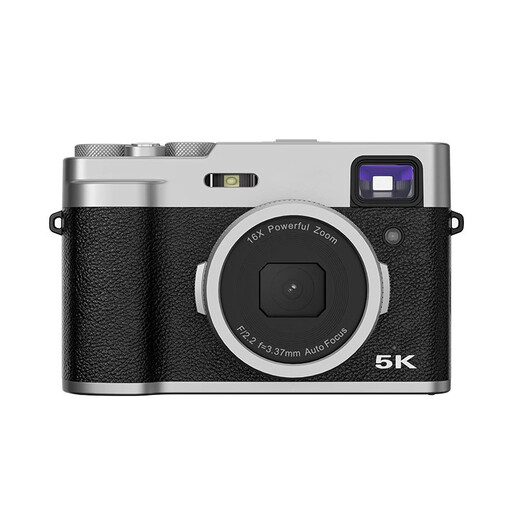 Image unavailable
The listed optical viewfinder may suit you if you prefer composing shots through a viewfinder. Also check the minimum focusing distance for close-up flower photography.
 Image unavailable
The product name lists optical zoom, which may be useful if you want to reframe shots from a distance. Check that the camera can also focus close enough for the flower details you need.
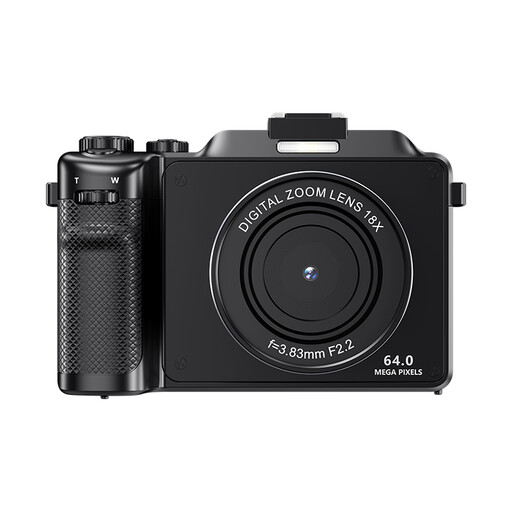 Image unavailable
Autofocus may be useful if you want to photograph flowers without focusing manually. Check the focusing distance for close-ups.
After the light changes, check both the exposure and white balance, and take another test shot of the same flower if needed. Nikon recommends checking the white balance again when lighting conditions change.
Check the specification for the zoom setting you want to use. Canon lists 5 cm at wide-angle and 40 cm at telephoto for the PowerShot G7 X Mark III; Panasonic lists 3 cm at wide-angle and 200 cm at telephoto for the TZ99 in AF macro mode.
It depends on how you use the images. According to the Dutch Data Protection Authority, the exception for personal or household use applies when you keep photos private or share them only with a very limited group. This exception doesn’t apply to wider publication or commercial use, so check the relevant privacy rules first. There is no blanket ban or general permission covering every market photo.
According to ACM ConsuWijzer, online purchases generally come with a statutory cooling-off period of up to 14 days after delivery, although exceptions apply. If you buy from a regular shop, you don’t automatically have the right to return a product in good condition simply because you’ve changed your mind.
Contact the seller if a fault means the camera doesn’t meet what you could reasonably expect with normal use. According to ACM ConsuWijzer, the statutory guarantee applies alongside any seller’s or manufacturer’s warranty; the seller is responsible for providing an appropriate solution.