Start by checking how much distance you have to fit the whole lamp into the frame, then check the focusing distance at the zoom setting you want to use for repair details. A short zoom range, a camera with a strong close-up mode and a fixed angle of view each serve different purposes. With changing window light, a stable set-up and white balance settings can also make a difference. Canon UK recommends using a tripod for consistent product photos and white card as a reflector opposite the window.
Who is this guide for?
Photographing the whole lamp
You want to show the shape, base and shade together in a well-composed shot, and you may have limited space between the lamp and your camera. The angle of view and available shooting distance matter as well as the maximum zoom. Canon UK and Sony UK list a 24 mm equivalent wide-angle focal length for the cameras mentioned.
Capturing repair details
You want to show small parts or finishes in detail. Check the focusing distance at each zoom setting, and see how tightly you can frame your subject from that distance. OM SYSTEM says the Tough TG-7’s microscope mode can focus from 1 cm away.
Creating consistent product photos
You want to take a series of photos with similar framing and recognisable material and light colours. A fixed camera set-up, control over window light and attention to white balance are all relevant. Canon UK recommends a tripod for consistent product photos and discusses white balance in changing light conditions.
What should you look for?
First, check that the camera can frame the whole lamp from the spot you have available. Then consider focusing at the distance you need for detail shots and how you’ll manage changing light.
| What to consider |
What to look for |
Who should pay particular attention? |
| Fitting the whole lamp in the frame |
Measure the distance to the lamp and check the angle of view of the exact model. Canon and Sony list a 24 mm equivalent wide-angle focal length for the models mentioned. |
If I have limited space between the camera and the table, I want to frame the shade and base together. Around 36% of consumers prioritise the overall shot. |
| Capturing sharp repair details |
Check the minimum focusing distance in the zoom or macro mode you want to use. Canon lists 5 cm at wide angle and 40 cm at telephoto for the G7 X Mark III; Panasonic lists 3 cm at wide angle and 200 cm at telephoto in macro mode for the TZ99. |
If I’m photographing a joint or finish, I want to know whether the camera will focus at my working distance. Around 29% of consumers give repair details top priority. |
| Colours in window light |
Check the available white balance settings and take a test shot using your own lighting set-up. Canon UK recommends using white card opposite the window as a reflector. |
If the window light changes or the lamp itself is switched on, I want the materials and light colours to remain recognisable. Around 21% of consumers put colour and light ahead of other considerations. |
| Ease of use and versatility |
Consider whether you’ll also use the camera for other scenes. Panasonic lists 30× optical zoom for the TZ99, while Ricoh lists a fixed 40 mm equivalent angle of view for the GR IIIx. |
For a stationary lamp, I want a camera that’s easy to handle and useful elsewhere too, without paying for unnecessary features. Around 14% of consumers prioritise simplicity and versatility. |
Common buying mistakes
-
Assuming the shortest focusing distance applies at every zoom setting
On zoom cameras, the stated minimum focusing distance can vary between wide angle and telephoto. A camera that focuses close up at wide angle won’t necessarily do the same at telephoto.
Compare the focusing distance and the framing at the setting you plan to use for the repaired part. Canon and Panasonic list different distances at different settings for the models mentioned.
-
Expecting a new camera to improve the image on its own
Window light and shadows remain part of your set-up. Canon UK recommends using a tripod for consistent product photos and white card as a reflector.
First, try adjusting the framing, stabilising the camera and reflecting the window light. Then decide which camera feature you still need.
A tripod or additional lighting may become part of your set-up.
-
Assuming an accessory in a kit is included with the camera as standard
The OM SYSTEM TG-7 Micro Adventure Kit includes an LG-1 light guide and an extra battery; these aren’t automatically included with every standalone TG-7.
Check exactly what’s included in the version on offer before relying on a kit accessory.
A light guide or other accessory bought separately could mean an extra expense.
Brands to compare for this choice
Canon
The PowerShot G7 X Mark III combines a short zoom range with options for both overall lamp shots and close-up details.
- Canon lists a 24–100 mm equivalent focal length and a minimum focusing distance of 5 cm at wide angle.
- At telephoto, the stated minimum distance is 40 cm, so the wide-angle distance doesn’t apply to every framing option.
OM SYSTEM
The Tough TG-7 is worth considering if very small repair details are your main focus.
- OM SYSTEM says microscope mode can focus from 1 cm away; the manufacturer also lists RAW shooting and 12 megapixels.
- Check that the overall shot and the detail framing you need will work for your purposes. The LG-1 light guide is included with the kit mentioned, not automatically with the standalone camera.
Sony
The RX100 VII offers a broader zoom range if you also want to use the same camera for subjects further away.
- Sony lists a 24–200 mm equivalent focal length and a 1.0-type sensor.
- The stated minimum focusing distance is around 8 cm at wide angle and around 100 cm at telephoto. This means telephoto won’t necessarily suit small details at close range.
Panasonic
The LUMIX TZ99 is a travel zoom option if you also plan to use the camera for a range of other scenes.
- Panasonic lists 30× optical zoom and a 1/2.3-inch sensor.
- In macro mode, Panasonic lists 3 cm at wide angle compared with 200 cm at telephoto. Check that the shooting distance works at your chosen setting.
Ricoh
The GR IIIx has a fixed angle of view and may suit you if it works for the space around the lamp and you don’t need zoom.
- Ricoh lists an APS-C sensor and a 40 mm equivalent angle of view.
- Without zoom, the chosen camera distance needs to work for both the overall lamp shot and the detail photo you want. Also check that the minimum focusing distance suits your set-up.
Cameras on Joybuy
These product picks are cameras for photography and vlogging. Check each model’s camera type, focusing and shooting distance to make sure it suits photographing a stationary desk lamp.
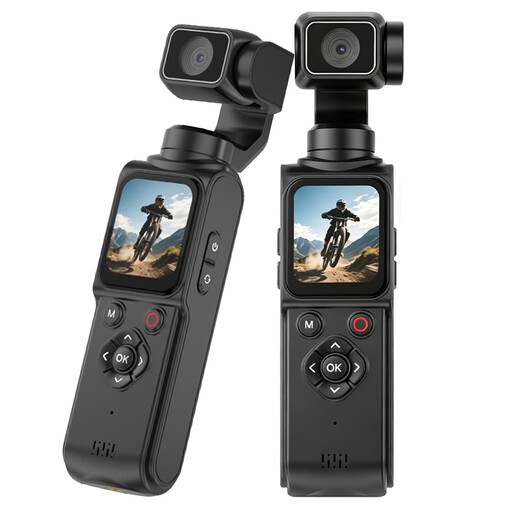 No image available
KINSI Mini Vlog Camera 4K
Check whether the lens and focusing suit the distance you’ll be shooting from when photographing the whole lamp and its repair details.
The product name lists 64 MP, Wi-Fi, a 330° rotating lens, a 1.72-inch touchscreen and Type-C.
Joybuy
 No image available
KOMERY G7 5K digital camera
Before choosing this camera for the lamp, check its angle of view and minimum focusing distance against the space you have available for taking photos.
The product name lists 80 MP and 18× zoom.
Joybuy
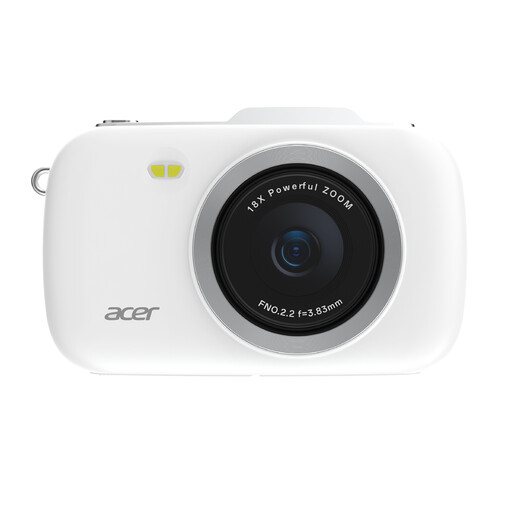 No image available
KOMERY G7-A 4K digital camera
Check that the focusing and framing work for both an overall shot of the lamp and the detail photos you want.
The product name lists 80 MP and 18× zoom.
Joybuy
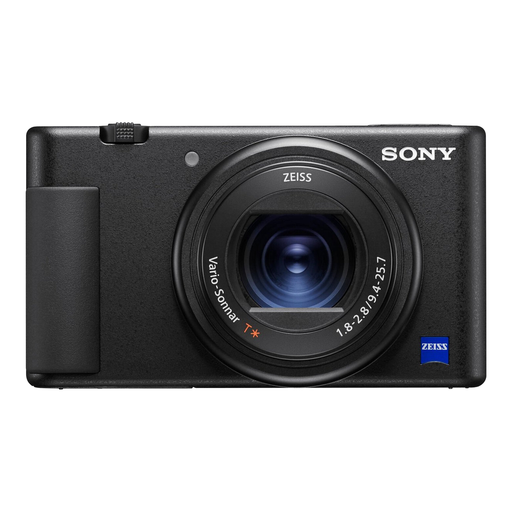 No image available
Sony ZV-1 compact camera
If you’re considering a compact camera for this scene, check the focusing distance for the detail shot you want to take.
Joybuy
 No image available
Sony ZV-E10 + 16–50mm zoom lens, black
This is a mirrorless camera with an E-mount kit lens, so it’s a different type of camera from a compact. Check whether an interchangeable-lens camera suits your set-up.
The product name lists a 16–50mm zoom lens.
Joybuy
Frequently asked questions
Do I need to use the same zoom setting for the whole lamp and a repaired part?
Not necessarily. Check the overall shot from the distance you have available, then test the details using the focusing setting you want. Canon lists a minimum focusing distance of 5 cm at wide angle and 40 cm at telephoto for the G7 X Mark III, measured from the front of the lens.
What can I do if the side of the lamp by the window is bright but the other side is dark?
Try using white card opposite the window as a reflector, and use a tripod to keep the camera steady for similar shots. Canon UK recommends these techniques for product photography; they can’t guarantee a particular result with every lamp finish.
What if my photo of the lamp has an unwanted colour cast?
Take a test shot and, if needed, adjust the white balance to suit your light sources. Canon UK explains that daylight changes with the conditions and that different light sources can create different colour casts.
What are my rights in the Netherlands if I’m unhappy with a camera I bought online or it develops a fault too soon?
For online consumer purchases, there is generally a statutory 14-day cancellation period after delivery; legal exceptions may apply. ACM ConsuWijzer also explains that your statutory guarantee is separate from any manufacturer’s guarantee: if a product doesn’t meet what you could reasonably expect under normal use, you can contact the seller for an appropriate solution.


