
Square and architecture photographer
Wants to frame buildings, street scenes and sky together from a fixed spot. The angle of view determines how much of the square fits into one shot.


Start with the angle of view: a fixed wide-angle lens suits a square you want to take in from one spot, while optical zoom helps bring details on the other side closer. In cloudy conditions, with people on the move, the aperture and shutter speed you choose matter too. Image stabilisation helps counter camera shake, but it won’t freeze passers-by. This advice is based on manufacturers’ specifications and Nikon photography guidance, not on a practical, side-by-side test of every model.
Wants to frame buildings, street scenes and sky together from a fixed spot. The angle of view determines how much of the square fits into one shot.
Also photographs passers-by in cloudy weather, weighing aperture and shutter speed against portability and zoom range.
Wants to capture decorations on façades or other details across the square without changing position; optical zoom can be useful here.
First, decide how much of the square you want to see from your intended position. Then consider whether you’ll mainly photograph people on the move or distant details, and only then compare zoom, aperture and portability.
| What to consider | What should you check? | Who is this most important for? |
|---|---|---|
| Fitting the square into the frame | Compare the angle of view in 35mm-equivalent focal lengths and consider whether you can step backwards from your position. | If I want to frame the square and its buildings together from one spot, I look for a wide angle of view. Around 36% of consumers give wide framing top priority. |
| Cloudy conditions and movement | Check the aperture across the zoom range you plan to use, and whether you can set the shutter speed. Image stabilisation does not correct the movement of people. | If I want to photograph passers-by, I look for a shutter speed that suits their movement and enough light. Around 29% of consumers prioritise light and movement. |
| Distant details | Compare the telephoto range in 35mm-equivalent focal lengths and check the aperture at that zoom setting. More zoom does not automatically mean better image quality. | If I want to capture architectural details across the square without moving closer, optical reach matters. Around 21% of consumers give distant details top priority. |
| Portability and ease of use | Compare the dimensions and ready-to-use weight of the exact version. Also check which accessories are included in the box. | If I want to carry the camera easily on a walk and use it straight away, I look at its size and what I’ll need. Around 14% of consumers prioritise portability and practical use. |
The wide-angle setting matters too when you want an overview of the square. Consumentenbond points out that cameras with very long zooms may have small sensors, which can affect image quality and framing.
Compare the angle of view at both ends of the zoom range. Choose a long telephoto range mainly if distant details are an important subject for you.
Image stabilisation helps counter camera movement, but a moving subject can still look blurred if the shutter speed is too slow. Nikon explains that a faster shutter speed can freeze movement more effectively, but lets in less light.
Check the shutter speed when photographing people on the move, and review a test shot. Don’t rely on stabilisation as a substitute for an appropriate shutter speed.
From the same spot, a fixed 35 mm angle of view captures less of the square than a wider angle of view. With a fixed lens, you can’t zoom out optically.
Think ahead about whether you can step backwards and whether a fixed angle of view of around 28 or 35 mm will suit the composition you want.
According to Canon Netherlands’ specifications, Canon offers two different zoom options here: a short zoom with a wider maximum aperture, and a model with a much longer optical range.
According to Sony Netherlands, the Sony RX100 VII combines a 1.0-type sensor with a 24–200 mm-equivalent zoom.
According to Panasonic Netherlands, the LUMIX TZ99 is a compact travel zoom with a 24–720 mm-equivalent angle of view.
According to Ricoh Imaging Europe, the Ricoh GR IV has a fixed lens with an angle of view equivalent to around 28 mm.
According to Fujifilm’s Dutch specifications, the X100VI has a fixed 35 mm-equivalent f/2 lens and an APS-C sensor.
The Joybuy products below include an instant camera for taking out and about, and digital cameras with zoom. Check each model to see whether its listed features suit the way you want to photograph the square.
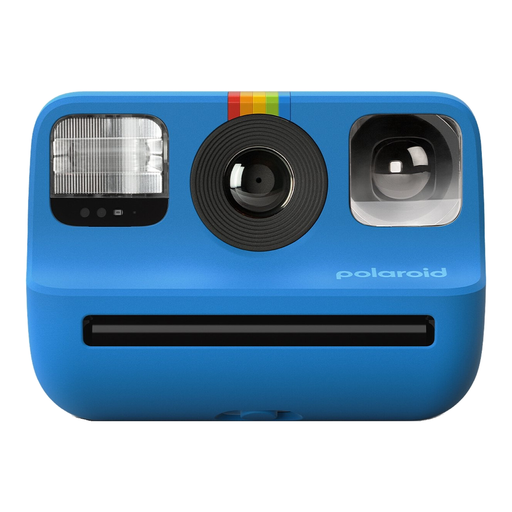 No image available
For anyone who wants to keep a moment on the square as an instant photo; the product information says it uses Polaroid Go film.
Damaged film frames contain caustic paste that can harm skin or eyes.
 No image available
For anyone who wants to frame distant subjects; the product name lists 12X optical zoom, 4K and 64MP.
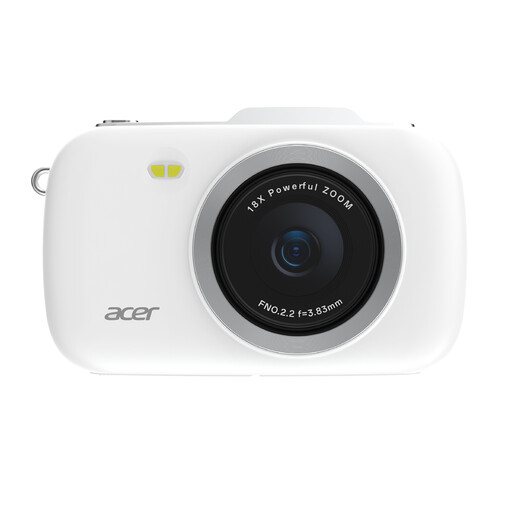 No image available
For anyone considering a zoom camera; the product name lists 18X zoom, 4K and 80MP.
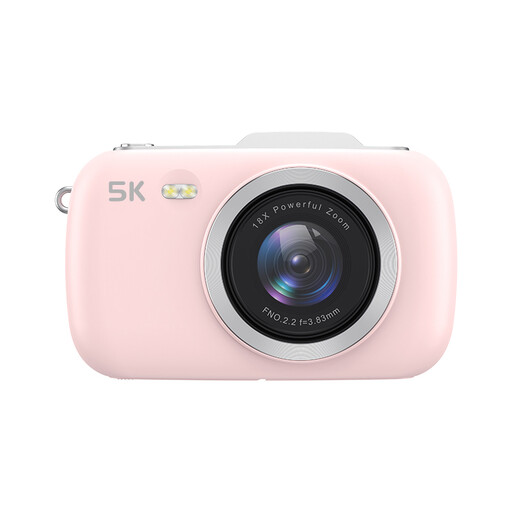 No image available
If you’re looking for a zoom camera, note that the product name says an SD card is not included.
The product name lists 18X zoom, 5K and 80MP.
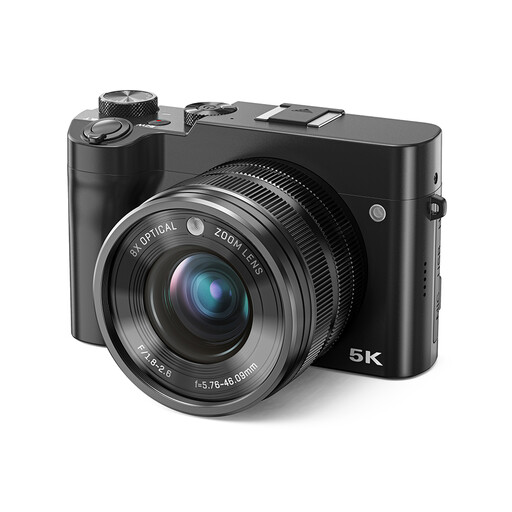 No image available
For anyone who wants to frame distant subjects; the product name lists 8X optical zoom, 5K, 64MP and two lenses.
Choose a shutter speed that suits their movement and check the result. A faster shutter speed lets in less light; image stabilisation corrects camera movement, not the movement of passers-by.
Check that you can choose the angle of view and shutter speed you want, that the battery is charged and that you have a suitable memory card. Also check what’s included in the box for the exact version.
The seller is responsible for the statutory guarantee if a product is faulty, according to the Authority for Consumers and Markets (Autoriteit Consument & Markt). Online purchases usually also come with a 14-day cooling-off period from delivery, subject to statutory exceptions set out by ACM ConsuWijzer. These rights are separate from any manufacturer’s warranty.
Not automatically: according to the Dutch Data Protection Authority (Autoriteit Persoonsgegevens), the exception for images kept privately applies to personal or household use, not to sharing them more widely. Whether publication is permitted in a particular situation depends on factors including its purpose and legal basis; the fact that someone was photographed in a public square does not determine this on its own.