
Ceramic artist who loves glaze details
You want to show stamps, texture or subtle differences in the glaze as well as an overall view. Orbitvu explains how shiny ceramics can cause reflections.


Choose a compact camera based on your working distance, the type of shot you take most often and how much control you have over the lighting. For very small glaze details, close-focusing ability matters; for entire vases and changing distances, framing and zoom range are also important. Check the focusing distance at the zoom setting you’ll actually use, and assess colour and reflections with test shots.
You want to show stamps, texture or subtle differences in the glaze as well as an overall view. Orbitvu explains how shiny ceramics can cause reflections.
You photograph coloured or shiny pieces and want to assess reflections and colour casts under the available lighting. Nikon recommends resetting the white balance when lighting conditions change.
You have little room to move around your stall and need to frame complete pieces from a practical distance. The Consumers’ Association describes a compact camera as one with a fixed lens.
Start with the shot you need most often: a complete piece or a small detail in the glaze. Then consider the lighting, working distance and how you handle your photos.
| What to consider | What to look for | Who is this important for? |
|---|---|---|
| Glaze colour and reflections | Compare test shots under the available lighting and check whether you can adjust the white balance. If you can change your stall setup, soft light can help reduce distracting reflections. | If I photograph shiny ceramics, I want to assess colours accurately under market lighting and spot reflections. Around 40% of consumers in this buying context prioritise colour and lighting above all else. |
| Capturing small details sharply | Check the focusing distance and framing at the zoom setting you want to use; taking photos from very close can also make exposure more difficult. | If I want to show makers’ stamps or subtle differences in the glaze, a separate detail shot is important. Around 30% of consumers prioritise small details above all else. |
| Framing an entire piece | Compare the zoom range with the distance you can stand from the subject. More telephoto reach doesn’t automatically mean the camera can focus from close up. | If I can’t take a step back on a narrow stall, I want to frame complete pieces from the space I have available. Around 20% of consumers prioritise working distance and framing above all else. |
| Handling photos quickly | Check whether transferring images to your smartphone suits the way you work, and whether you have room for a repeatable background and lighting setup. | If I photograph lots of pieces in a row, I want to handle my images quickly and repeat the setup easily. Around 10% of consumers prioritise image handling above all else. |
The focusing distance can change when you zoom in. Holding a camera very close to the ceramics can also make lighting more difficult.
Check the distance at the zoom setting you plan to use, and take separate test shots of the whole piece and a detail.
Sony lists the RX100 VII’s focusing distance as approximately 8 cm at the wide-angle end and approximately 100 cm at the telephoto end. So the greater telephoto reach doesn’t mean you can focus close up at that setting.
Choose a range that suits the distance you need to work from, and assess the detail separately.
Shiny ceramics can reflect lamps and windows, while changing light can affect how colours appear.
See whether a consistent lighting and background setup will fit on your stall, and compare test shots with the ceramics themselves.
A fixed background and soft lighting also take up space on your stall, so check whether the setup will fit.
According to ACM ConsuWijzer, the statutory guarantee for a consumer purchase depends on what you can reasonably expect from the product. If there’s a fault, the seller is your point of contact.
Keep your proof of purchase and check who the seller is, especially if you’re buying the camera for business use.
The PowerShot G7 X Mark III is a compact zoom option for overall shots and the occasional detail.
The Tough TG-7 is worth considering if very small details are your priority.
According to Sony, the RX100 VII offers a greater optical zoom range in a compact camera, making it useful for shots from different positions.
The LUMIX TZ99 is a compact travel zoom worth considering if zoom range and transferring images to a smartphone matter to you.
The GR IV is a pocket-sized option for anyone happy with a fixed angle of view and keen to shoot in RAW.
This selection focuses on digital zoom cameras for anyone who wants to adjust the framing of ceramics from a limited workspace. In particular, check whether the zoom is optical or digital: digital zoom can reduce image quality.
 No image available
The 12× optical zoom gives you more framing options from your workspace.
Specifications: 12× optical zoom, 4K, WiFi and 64 MP.
 No image available
The 10× optical zoom gives you more framing options; check that the range suits the distance you have on your stall.
Specifications: 10× optical zoom, 56 MP and 5K.
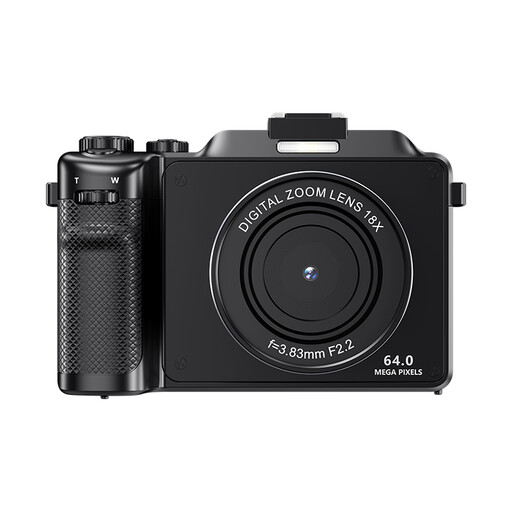 No image available
Autofocus is mentioned in the product title; take test shots to see whether the camera suits the distances and details you want to photograph.
Specifications: 4K, 64 MP, autofocus and 18× digital zoom. The product description warns that digital zoom reduces image quality.
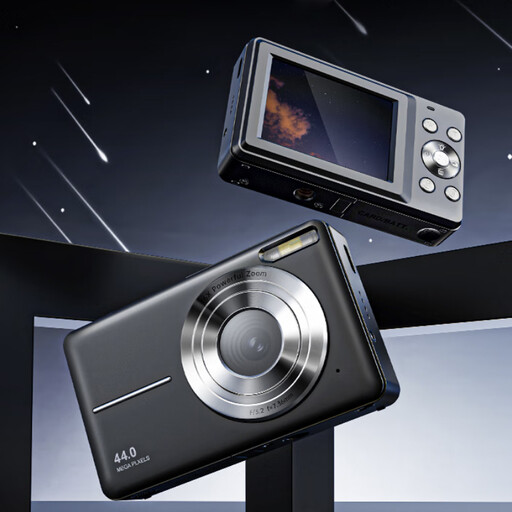 No image available
The compact pocket size may suit a small kit; take test shots to see whether the camera can handle the framing and detail you need.
Specifications: 4K, 44 MP and 16× digital zoom. The product description warns that digital zoom can reduce image quality.
Take an overall shot and a close-up from your working distance. With a zoom camera, check the focusing distance at both zoom settings you plan to use: Canon lists 5 cm at the wide-angle end and 40 cm at the telephoto end for the G7 X Mark III.
Compare a test shot with the object under the available lighting, and reset the white balance if the lighting changes. Where your stall setup allows, softer light can help reduce distracting reflections.
For a consumer purchase, the statutory guarantee depends on what you can reasonably expect from the product; if there’s a fault, the seller is your point of contact. According to ACM ConsuWijzer, ordinary online consumer purchases generally have a cooling-off period of up to 14 days after delivery, subject to legal exceptions. This applies to consumer purchases, not business purchases.
If you photograph identifiable people at an event or publish their images on behalf of a company or organisation, the Dutch Data Protection Authority says you need a lawful basis under the GDPR; consent is often the most obvious basis. If you photograph ceramics only, without any identifiable people, that guidance does not impose the same consent requirement for visitors.