What should you look for when choosing?
Start by considering the space and lighting at your stall. Then decide how much flexibility you need to adjust the framing and what shooting distance is practical.
| What to consider |
What to look for |
Who should pay extra attention? |
| Colour and consistency |
Check whether you can adjust the white balance and position the camera steadily. Assess colours with a test shot taken under the lighting you actually use. |
When I photograph a series of pots against the same plain background, I want to keep the colours and framing consistent. Around 36% of consumers prioritise consistent colour and backgrounds. |
| Room to frame your shot |
Measure your largest piece and the space available for the camera and background. Check that you can fit the whole piece in the frame from that position. |
With limited space at my stall, I want to photograph a whole pot without moving my setup. Around 29% of consumers prioritise being able to frame shots in a small space. |
| Glaze details |
Check the minimum focusing distance for the relevant zoom setting. Test whether the detail you want fits in the frame from that distance. |
For small decorations, I want to show the details without assuming that every zoom setting can focus up close. Around 21% of consumers prioritise detail shots. |
| Portability and setup |
Check what comes with the camera and what else you’ll need for your photography spot. Also allow space for support and any additional lighting. |
When I take my camera to the market, I want to know what else I need to bring for my setup. Around 14% of consumers prioritise portability and having a complete setup. |
Cameras at Joybuy
This selection includes compact cameras and pocket or vlog cameras for photography. Check whether each model’s lens and focusing distance are suitable for photographing ceramics on your table.
 No image available
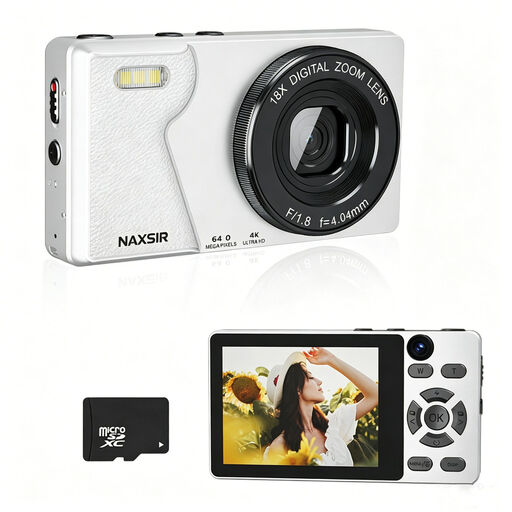
NAXSIR Digital Camera 4K Ultra HD, 64 MP, 18× digital zoom, 32 GB card
Could suit a compact photography setup; check that the focusing distance and lens are suitable for the size of your ceramics.
64 MP photo resolution; autofocus; 18× digital zoom; 32 GB memory card included.
Joybuy
 No image available
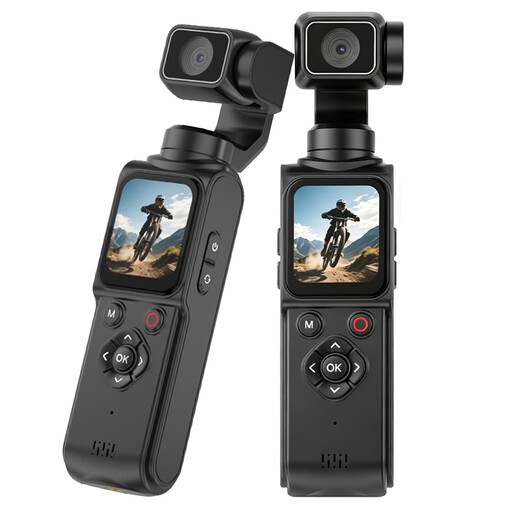
KINSI Mini Vlog Camera 4K, 64 MP, 330° rotating lens
The included mini tripod could be useful for a compact setup; check in advance that the lens and focusing distance suit your product photos.
64 MP; 330° rotating lens; 1.72-inch touchscreen; Wi-Fi; mini tripod included.
Joybuy
 No image available
DJI Osmo Pocket 3, 1-inch CMOS sensor, 4K/120fps video
A compact camera to consider if you want to shoot video as well as take photos; check that the controls and lens suit your photography setup.
1-inch CMOS sensor; 4K/120fps video; 3-axis stabilisation; 2-inch rotating touchscreen.
Joybuy
 No image available
Songdian Pocket Camera 4K, 44 MP, pink
Could be worth considering if you’re looking for a pocket camera; for ceramic photography, check that the focusing distance suits your subject and preferred framing.
44 MP; autofocus; 16× digital zoom.
Joybuy
Frequently asked questions
How can I keep the colour of my pots consistent when the light changes at the market?
Where possible, use similar lighting and check the white balance again when lighting conditions change. Nikon explains that white balance affects how white and other colours are rendered; this doesn’t guarantee that automatic white balance will reproduce every glaze colour exactly.
Can a tripod help even if I’m using a plain background?
Yes. Canon recommends a tripod to keep the composition consistent across a series of product photos. Take a test shot of a whole piece and a detail before photographing the rest of the series.
Am I always entitled to exactly two years’ statutory warranty on a camera in the Netherlands?
No. There is no fixed statutory warranty period in the Netherlands. According to the Dutch Government, what you can expect from a product depends, among other things, on the product and how it is used; if a product is faulty, the retailer is your point of contact. This applies here to a consumer purchase; check the terms separately for a business purchase.
Can I return a camera bought online if the framing doesn’t suit my table?
For online consumer purchases, the Dutch Authority for Consumers and Markets’ Consumer Information service (ACM ConsuWijzer) says you will generally have 14 days from delivery to change your mind, although exceptions may apply. Check the relevant returns information and handle the camera carefully while assessing it.
Can I take identifiable photos of visitors and publish images from the market?
For photos in which visitors are identifiable and which you publish, the Dutch Data Protection Authority says you need a lawful basis under the GDPR. Keep visitors out of your ceramic photos, or check which lawful basis and information requirements apply in your situation before taking and publishing photos.


