
Potters with a range of products
If you photograph several pots or bowls from the same spot at a table, consistent framing is especially useful. Canon Netherlands describes a tripod as a tool for achieving a consistent composition.


Start by choosing a field of view that suits the distance between your camera and the ceramics. Then check that the camera can focus close enough at your chosen zoom setting. A fixed tripod makes it easier to repeat the framing, while control over white balance and even lighting are important for capturing glaze colours. A longer telephoto range is most useful if you can’t move the camera closer to your piece.
If you photograph several pots or bowls from the same spot at a table, consistent framing is especially useful. Canon Netherlands describes a tripod as a tool for achieving a consistent composition.
When the light at a market changes, control over white balance can help you adjust the colours in your shots. Canon Netherlands and Nikon USA describe white balance settings for different lighting conditions.
For relief patterns, stamps and glaze details, the focusing distance at your chosen zoom setting matters. Manufacturers specify different minimum focusing distances for some cameras at wide-angle and telephoto settings.
A good fit if: you want to frame both a whole piece and a detail from the same tripod position.
Bear in mind: the minimum focusing distance may change as you zoom in.
A good fit if: your tripod needs to be further from the table and you want your subject to fill less of the frame.
Bear in mind: a longer telephoto range doesn’t automatically mean you can focus close up at that setting.
A good fit if: you want to photograph decorations close up and the wide-angle view suits the space available.
Bear in mind: a short focusing distance may only be available at the wide-angle end, not at every zoom setting.
A good fit if: your pieces are fairly consistent in size and you photograph them from a set distance.
Bear in mind: without a zoom, you’ll need to move the camera or the piece to change the composition.
| What to consider | What to check before buying | Who might find this especially important? |
|---|---|---|
| Consistent framing | Measure the distance to your piece and check that the field of view gives you the composition you want. | If you want to present a series of pots or bowls in a consistent way from the same spot, framing is a key consideration; around 33% of consumers prioritise consistent framing above all else. |
| Glaze colours | Check whether you can adjust the white balance and whether the camera supports RAW images if you want to edit them later. | If you want to capture glaze colours accurately in changing market light, colour reproduction comes first; around 27% of consumers prioritise this need. |
| Close-up details | Compare the minimum focusing distance at the zoom setting you plan to use for detail shots. | If you want relief patterns or small decorations to fill the frame, pay particular attention to the close focusing distance; around 20% of consumers prioritise details above all else. |
| Changing light and portability | Consider the weight, exposure settings and space available for a tripod and lighting at your market stall. | If you need to transport a compact set-up and work in changing light, look for a camera that’s easy to handle and gives you control over exposure; around 20% of consumers prioritise this combination. |
The stated minimum distance can vary considerably between wide-angle and telephoto settings. At your chosen setting, the camera may not be able to focus close enough.
Check the focusing distance alongside your preferred composition, using the zoom setting and distance you’ll have in your fixed set-up.
A tripod can help you keep the framing consistent, but lighting and a backdrop are separate parts of a product photography set-up.
Check what you already have and how much space your stall has for a tripod, backdrop and lighting.
A suitable set-up may also require extra accessories, such as a tripod, backdrop or lighting.
With a fixed field of view, it can be harder to frame pieces of different sizes without moving the camera or the piece.
Compare the range of sizes of your pieces with the field of view from your intended shooting distance.
The PowerShot G7 X Mark III is an option if you want a short zoom and an adjustable focus point from a single set-up.
The RX100 VII may suit you if you need a longer reach from further away.
The Lumix DC-TZ99 is worth considering if you want to photograph close-up decorations as well as enjoy a travel zoom.
The GR IIIx is an option if you can set the distance and composition in advance.
These Joybuy cameras mention zoom features or a tripod in the product name. Before buying, check that the focusing distance, field of view and controls suit your fixed set-up.
 No image available
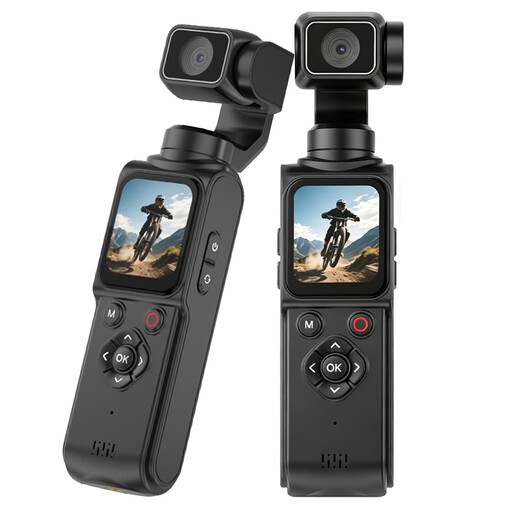
The product name mentions a tripod, which may suit a set-up where you want to repeat the framing from a fixed position.
Features listed: 330° rotating lens, 1.72-inch touchscreen, 18× zoom, Wi-Fi, Type-C and included tripod. Check that the focusing distance and field of view suit your pieces.
The product name also mentions face recognition; this feature alone doesn’t indicate whether the camera is suitable for detailed ceramic photography.
 No image available
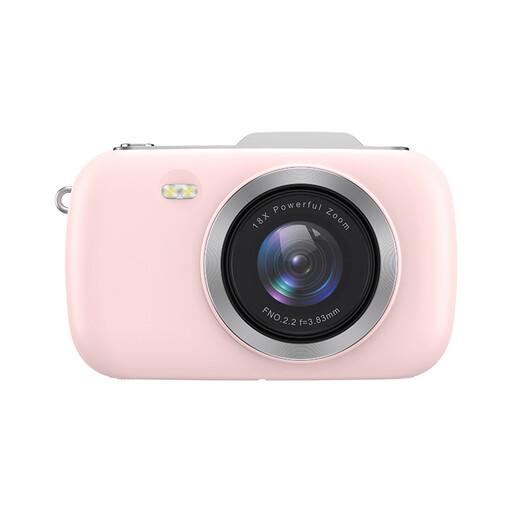
The product name mentions 18× zoom, which may be useful if you want to create different compositions from a single position.
Features listed: 4K, 80 MP, portable design and a pink finish. Check how the zoom range compares with the field of view and focusing distance you need for your ceramics.
No. First check that you can frame the whole piece from the available distance and focus at your preferred zoom setting. The published minimum focusing distances for the models discussed can be longer at telephoto than at wide angle.
Mark the positions of the piece and tripod, and keep the backdrop, framing and lighting as consistent as possible. Canon Netherlands describes a tripod as a tool for achieving a consistent composition; check with the market organiser whether you can use one at your stall.
Take a test shot under the lighting you’ll actually use and adjust the white balance if needed. Nikon USA explains that automatic white balance and a setting based on a white card can produce different results in mixed lighting.
For a consumer purchase, the Dutch government says the seller must provide a product that is fit for purpose; a manufacturer’s warranty doesn’t replace this legal right. When you buy online from a business, you generally have a 14-day cooling-off period, subject to conditions and exceptions that depend on the specific purchase.
According to the Dutch Data Protection Authority, identifiable people in business or commercial photos require a lawful basis under the GDPR. Consent can provide such a basis; where possible, position your camera so visitors can’t be identified in the shot.