To capture trees and their reflections together, start by considering the field of view and control over exposure. As the light fades, a fast lens may matter more than maximum zoom. Choose greater optical reach if you want to isolate details on the opposite bank, or look for weather protection if you mainly take photos in the rain. A polarising filter can reduce reflections, according to Nikon USA, so it may not be the right choice if you want to preserve the reflection.
Who is this guide for?
Canal photographer capturing reflections
You want to fit trees, the bank and their reflection into a single composition, so you’ll need to consider the field of view, your position and exposure control. Canon Netherlands explains how flowing and still water can create different effects in reflections.
Walker in changeable autumn light
You also take photos as the light fades and want a handy camera with a lens and settings suited to this kind of use. According to Canon Netherlands, a wider aperture lets in more light and can make a faster shutter speed possible.
Photographer capturing details on the opposite bank
You can’t get closer to the trees and want to use optical zoom to bring a detail nearer from where you’re standing. The Consumers’ Association describes compact cameras as an option for people looking for more reach or control than a smartphone offers.
What should you look for when choosing?
Start with the composition you want to create. Then decide whether a fast lens, extra reach or protection in wet weather matters most for your canal walk.
| Consideration |
What should you check? |
Who is this important for? |
| Framing trees and their reflection together |
Compare the wide-angle focal length in 35 mm equivalent. Canon Netherlands and Panasonic Netherlands specify a 24 mm equivalent starting focal length for the PowerShot G7 X Mark III and LUMIX DC-TZ99 respectively. |
I want to include the tree canopy and its reflection in a single composition. Around 36% of consumers put this complete composition ahead of other buying priorities. |
| Taking photos as the light fades |
Compare the maximum aperture at the focal lengths you use. Canon Netherlands lists f/1.8–2.8 for the PowerShot G7 X Mark III; Sony Netherlands lists f/2.8–4.5 for the RX100 VII. |
As the light fades during a walk, I want to be able to choose a lens and exposure settings to suit. Around 29% of consumers make this their top priority. |
| Getting details on the opposite bank in frame |
Compare optical zoom and the focal length range in 35 mm equivalent. Canon Netherlands specifies 24–960 mm equivalent for the SX740 HS Lite Edition; Panasonic Netherlands lists 24–720 mm equivalent for the DC-TZ99. |
I can’t get closer to the bank and want to frame distant details of the trees closer up using optical zoom. Around 21% of consumers make this reach their main buying priority. |
| Taking photos in wet autumn weather |
Check the protection rating for the exact model and compare the lens range with the distances you usually shoot from. OM SYSTEM specifies that the TG-7 is waterproof to 15 m and lists a lens of 25–100 mm equivalent. |
In rain or spray, I want protection to matter more than maximum zoom. Around 14% of consumers prioritise protection in wet conditions. |
Common buying mistakes
-
Buying a polarising filter to make the reflection stronger
A polarising filter can actually reduce reflections on water. Nikon USA explains that it can minimise unwanted reflections.
First decide whether you want to preserve the reflection or reduce glare. Then check whether a filter or suitable adapter is compatible with the exact camera.
-
Confusing digital zoom with optical zoom
Canon Netherlands lists 40× optical zoom and 80× ZoomPlus separately for the Canon PowerShot SX740 HS Lite Edition.
For details on the opposite bank, compare the optical range in 35 mm equivalent and keep digital or software-enhanced zoom separate.
-
Choosing a camera based only on its maximum zoom
Lots of zoom doesn’t automatically mean a camera is suitable for taking photos as the light fades. Canon Netherlands explains that a wider aperture can let in more light and make a faster shutter speed possible.
First decide whether you mainly want to photograph distant details or shoot in lower light. Then compare the aperture at the focal lengths you use.
-
Buying a fixed-lens camera expecting optical zoom
According to Fujifilm, the X100VI has a fixed lens with a 35 mm equivalent focal length. Its listed digital teleconverter is not optical zoom.
Before you buy, check whether that fixed field of view suits the distances from your usual spots along the canal.
Relevant brands and models
The features listed below apply to the specific models and product lines shown. They are not a general assessment of each brand.
Canon
The PowerShot G7 X Mark III is a short-zoom option; the SX740 HS Lite Edition is a separate model with a longer stated zoom range.
- Canon Netherlands specifies a 24–100 mm equivalent range and f/1.8–2.8 for the G7 X Mark III.
- For the SX740 HS Lite Edition, Canon Netherlands lists 24–960 mm equivalent and a 1/2.3-type sensor. These specifications represent different trade-offs, not a measured ranking of image quality.
Sony
According to Sony Netherlands, the RX100 VII combines a 1.0-type sensor with a 24–200 mm equivalent zoom.
- Its stated focal length range is longer than that of the Canon PowerShot G7 X Mark III.
- Sony Netherlands specifies f/2.8–4.5 and does not list a built-in ND filter for this model.
Panasonic
The LUMIX DC-TZ99 is a travel-zoom option for anyone who wants to frame a wide view from one bank and still be able to zoom in.
- Panasonic Netherlands specifies 30× optical zoom and 24–720 mm equivalent.
Fujifilm
The X100VI is an option for anyone who deliberately chooses to work with a single fixed field of view.
- Fujifilm specifies an APS-C sensor, a fixed lens of 35 mm equivalent, RAW shooting and a built-in 4-stop ND filter.
- With its fixed lens, you can’t bring the opposite bank closer using optical zoom.
OM SYSTEM
The Tough TG-7 is a good fit if protection is a priority when taking photos outdoors in wet conditions.
- OM SYSTEM specifies that this model is waterproof to 15 m, supports RAW shooting and has a lens of 25–100 mm equivalent.
- Its stated lens range is more limited than that of the travel-zoom models mentioned here.
Cameras at Joybuy
This Joybuy selection includes digital cameras suited to this subject. Check each model’s lens range and exposure control to see whether they suit your composition and the distance to the opposite bank.
 No image available
KOMERY G7 5K digital camera
If you’re looking for a camera to take with you on the go, the product title describes it as portable.
The product title lists 18× zoom. Check whether this is optical and whether the field of view suits your canal composition.
View at Joybuy
 No image available
KOMERY W6 camera
If you want to frame details from the same bank, the product title lists 12× optical zoom.
Also check whether the wide-angle view and exposure control are suited to capturing trees and their reflections together.
View at Joybuy
 No image available
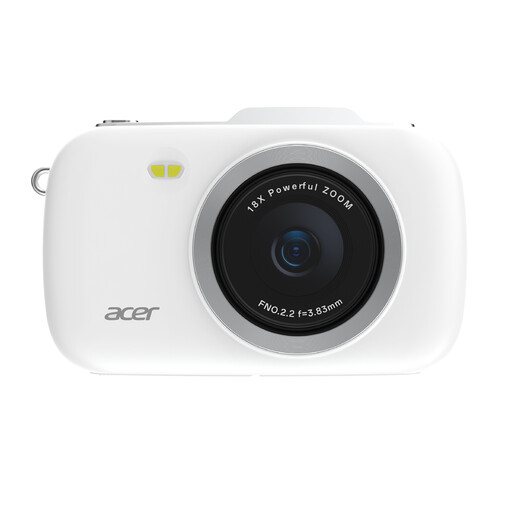
KOMERY G7-A 4K digital camera
The product title describes a portable camera for taking photos on the go.
The title lists 18× zoom, but doesn’t specify whether it is optical. Check the optical range if you want to frame distant details in the trees.
View at Joybuy
 No image available
Songdian 5K 56MP camera
If you want to frame distant details, the product title lists 10× optical zoom.
Check whether the wide-angle view is also wide enough to fit the trees and their reflection in a single composition.
View at Joybuy
 No image available
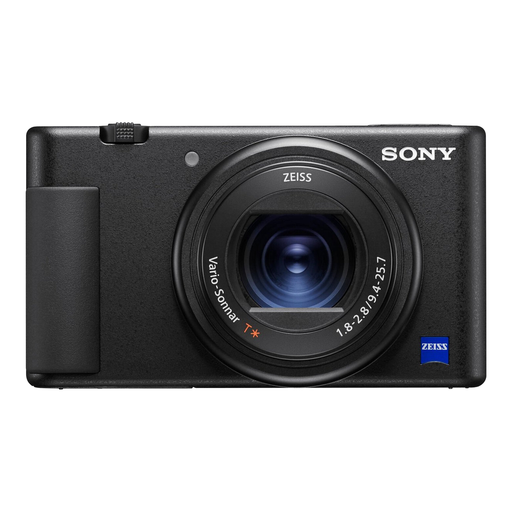
Sony ZV-1 compact camera
The product title describes a compact camera. For canal photography, check this model’s lens range and exposure control so you can decide whether it can achieve the field of view you want.
View at Joybuy
Frequently asked questions
Should you use a polarising filter to get a strong reflection in the canal?
Not necessarily. According to Nikon USA, a polarising filter can reduce reflections on water. If the reflection is your subject, first assess the scene without a filter; a built-in ND filter serves a different purpose.
How can you capture the trees and their reflection together?
Choose a position and field of view that let you fit both the trees and the water into your composition. Canon Netherlands explains that still water can create a calmer mirror effect than flowing water. Adjust your framing to suit the conditions.
Is a camera with a lot of zoom also suitable when the light fades?
A long zoom range on its own doesn’t tell you whether a camera is right for you as the light fades. Compare the maximum aperture at the focal lengths you use; Canon Netherlands explains that a wider aperture can let in more light and make a faster shutter speed possible.
What should you check if you want to use the camera in wet autumn weather?
Check the protection rating for the exact model and version you’re considering. OM SYSTEM specifies that the Tough TG-7 is waterproof to 15 m; don’t judge a camera’s protection by its appearance alone.
Can you publish photos of identifiable passers-by on the canal online?
It depends on how you share the photo and the circumstances. The Dutch Data Protection Authority distinguishes between private use and wider publication: the exemption for personal or household use does not apply to public publication, so you must take privacy rules for identifiable people into account.


