In changing daylight, it’s worth weighing up aperture, exposure control and angle of view together. Don’t automatically choose the camera with the greatest zoom. A fixed lens suits deliberate framing, while optical zoom helps bring details on the other side of the canal closer, with aperture and controls varying by model. Your position and the state of the water also matter for reflections: a polarising filter can reduce them.
Who is this guide for?
Photographers working in changing light
You’re walking along the canal as sunshine and cloud take turns, or the light is fading. You want to weigh up aperture and exposure against zoom range. The model specifications from Canon Netherlands and Sony Netherlands make it easier to compare these features across cameras.
Canal composition enthusiasts
You want to include both buildings and their reflections in a single frame, and sometimes shoot from a low angle. Angle of view, framing and the state of the water all play a part; Canon Netherlands notes that calmer water can produce a clearer mirror effect.
Photographers seeking distant details
You stay on the towpath but want to capture a detail on the other side or further along the canal on its own. Optical reach may then matter more than a single fixed angle of view, as shown by the zoom models described by Sony Netherlands and Panasonic Netherlands.
What should you look for when choosing?
Short zoom range with an emphasis on light
A good fit if: you want to photograph both a wide canal view and nearby details from the towpath, and often shoot as the light fades. According to Canon Netherlands, the Canon PowerShot G7 X Mark III has a 24–100 mm equivalent range and an f/1.8–2.8 aperture.
The trade-off: its telephoto reach is shorter than that of the travel zooms mentioned here; check that the controls suit the way you prefer to manage exposure.
Fixed angle of view
A good fit if: you like to compose your shot from a chosen position. The FUJIFILM X100VI has a fixed 35 mm equivalent angle of view; the RICOH GR IIIx has a fixed 40 mm equivalent angle of view.
The trade-off: there’s no optical zoom, so you’ll need to change your position or crop the image to capture a distant detail. The X100VI’s built-in ND filter is not a polarising filter.
Longer zoom range
A good fit if: you want to isolate distant details from a single spot. Sony lists a 24–200 mm equivalent range and f/2.8–4.5 aperture for the RX100 VII; Panasonic gives the LUMIX TZ99 a 24–720 mm equivalent range and 30× optical zoom.
The trade-off: greater reach doesn’t automatically mean more light when you zoom in; compare the aperture at the focal length you’ll use.
| What to consider |
What should you check? |
Who should pay particular attention? |
| Exposure in changing daylight |
Compare the maximum aperture at both ends of the zoom range and check which exposure modes are available. Don’t assume stabilisation guarantees a sharp shot of moving water. |
If I’m photographing along the canal as the light changes, I want to be able to weigh up exposure against reach. Around 33% of consumers put changing light at the top of their list of buying concerns. |
| Framing buildings and reflections together |
Compare the wide-angle setting or fixed angle of view, and check whether the screen tilts if you’re shooting from a low angle. |
I want to capture the building and its reflection together, so I pay attention to the space in the frame. Around 27% of consumers give a complete canal composition top priority. |
| Details on the other side |
Compare the optical focal lengths in 35 mm equivalent and check the aperture at the telephoto end. Digital zoom is not extra optical zoom. |
If I want to capture a façade, boat or distant reflection from the towpath, reach matters more than having one fixed angle of view. Around 20% of consumers prioritise distant details. |
| Keeping the reflection you want |
First decide which part of the reflection you want to keep. Before buying a filter, check that it can be attached to your specific camera model. |
I want to avoid a filter reducing the reflection I’m trying to photograph. Around 20% of consumers give preserving the water’s reflection top priority. |
Common buying mistakes
-
Buying a polarising filter to make a reflection more visible
A polarising filter can reduce reflections from water. That may work against you if the reflection itself is your subject.
First decide whether you want to reduce glare or preserve the reflection. Then check whether a filter will fit your specific camera model.
A filter or suitable mount may be an extra purchase; check compatibility before ordering.
-
Comparing only the longest zoom range
The maximum aperture at the focal length you’re using also matters when you zoom in. The models mentioned here differ in this respect.
Compare optical reach, aperture at the telephoto end and your usual shooting distance together.
-
Assuming a stated warranty period represents your full statutory protection
According to the Dutch Government, there is no fixed period for the statutory guarantee in the Netherlands. A commercial warranty period does not, by itself, determine your statutory rights if a product is faulty.
Keep your proof of purchase and contact the seller if a product is faulty.
Brands and relevant models
Canon
The models discussed show two different zoom options from Canon.
- According to Canon Netherlands, the PowerShot G7 X Mark III has a 24–100 mm equivalent range and an f/1.8–2.8 aperture.
- The PowerShot SX740 HS Lite Edition has 40× optical zoom and a 1/2.3-type sensor; these specifications apply to this model, not every Canon camera.
Sony
According to Sony Netherlands, the RX100 VII combines a wide-angle view with reach up to 200 mm equivalent.
- Sony lists a 1.0-type sensor and a 24–200 mm equivalent range.
- The stated aperture ranges from f/2.8 to f/4.5; take the telephoto end into account when weighing up your options for fading light. These are model specifications, not the results of an independent performance test.
FUJIFILM
The X100VI is an option if you prefer to compose with a fixed angle of view and want control over exposure.
- The official Dutch specifications list an APS-C sensor, RAW, a built-in four-stop ND filter and P/A/S/M modes.
- There’s no optical zoom. The ND filter is not a polarising filter, so it doesn’t replace the choice of whether to preserve or reduce a reflection.
Panasonic
The LUMIX TZ99 is a travel zoom for anyone who wants to photograph subjects at different distances from one position.
- Panasonic Netherlands lists a 24–720 mm equivalent range and 30× optical zoom for this model.
- The stated zoom specifications alone don’t tell you anything about image quality at dusk.
RICOH
The GR IIIx is a compact camera with a fixed angle of view, for anyone who would rather choose their position and crop than zoom.
- Ricoh Imaging Europe lists an APS-C sensor, manual exposure and sensor-shift stabilisation for this model.
- Its fixed angle of view is 40 mm equivalent; there’s no optical zoom.
Zoom cameras on Joybuy
This Joybuy selection includes digital cameras with zoom for anyone who wants to frame distant details. Check the type of zoom listed for each model and whether its other controls suit the way you like to take photos.
 No image available
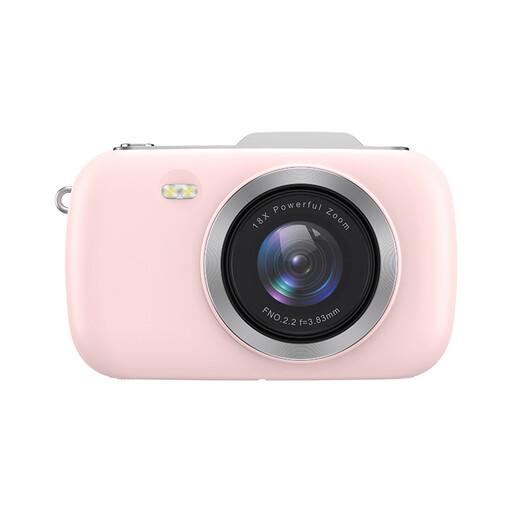
KOMERY G7-A 4K camera, 80MP UHD, 18X zoom, Pink
The product title lists 18X zoom and positions this model for travel; check which type of zoom and controls you need to capture details on the other side.
The title lists 4K and 80MP UHD.
Joybuy
 No image available
KOMERY W6 digital camera, 12X optical zoom, 4K, 64MP, WiFi
The stated optical zoom may suit anyone wanting to capture distant details from the towpath; compare the range with the angle of view you need for the whole canal.
The product title lists 12X optical zoom, 4K, 64MP and WiFi.
Joybuy
 No image available
Songdian 5K digital camera, 56MP, 10X optical zoom, Black
The title lists optical zoom for distant subjects; check whether the stated range suits the details you want to photograph from the towpath.
The product title lists 5K, 56MP, 10X optical zoom and a front and rear camera.
Joybuy
Frequently asked questions
Should I use a polarising filter to make a reflection visible?
Not automatically. According to the information consulted from Canon and Nikon, polarising filters reduce reflections from water. First decide whether you want to reduce glare or preserve the reflection, and check that the filter fits your camera model.
How can I photograph a reflection when the water is moving?
Canon Netherlands describes flowing water as a source of more abstract reflections, while calmer water is better suited to a clear mirror effect. Choosing a different time to shoot or changing your position may therefore be a practical option.
What should I check about included accessories and the warranty?
Check what’s included with the camera in each offer and whether you need anything else for your use, such as a memory card or suitable filter. According to the Dutch Government, there is no fixed period for the statutory guarantee in the Netherlands; contact the seller if a product is faulty.
Can I publicly share photos of identifiable passers-by in the Netherlands?
That depends on how the photos are used and the applicable legal basis. The Dutch Data Protection Authority treats identifiable people as personal data and distinguishes between private use and wider publication, where the GDPR may apply.


