
Canal walkers who want to shoot wide
You want to capture trees, water and the streetscape together, and would rather take one small camera than interchangeable-lens equipment.


For wide canal views, a suitable wide-angle lens is important. If you mainly want to frame a tree on the opposite bank, look at the optical telephoto range. If you often take photos in fading light or wet weather, also consider the aperture, sensor and any explicitly stated weather protection. None of these features makes one camera suitable for every walk.
You want to capture trees, water and the streetscape together, and would rather take one small camera than interchangeable-lens equipment.
You can’t walk up to the tree you want to photograph, so you mainly need a suitable optical telephoto range.
You keep taking photos as the light fades and want to weigh up the aperture, sensor and stabilisation against the zoom range.
First decide whether you mainly want to frame a wide view or a tree on the opposite bank. Then factor in conditions such as fading light and wet weather.
| What to consider | What to look for | Who is this important for? |
|---|---|---|
| Wide scenes and carrying weight | Compare the wide-angle setting in 35 mm equivalent and the weight on the same basis. | I want to capture water, trees and the streetscape in one shot without carrying much; around 36% of consumers prioritise wide framing and carrying weight. |
| Optical range | Compare the optical telephoto end in 35 mm equivalent, not digital zoom. | When I’m shooting from the opposite bank, I want to frame the tree more tightly without walking closer; around 29% of consumers give optical range top priority. |
| Photos in lower light | Check the sensor size, aperture at the focal length you use and the stated stabilisation. | I like to keep taking photos as the light fades and want to know which settings and lens are suitable; around 21% of consumers prioritise photography in lower light. |
| Protection from wet weather | Look for an explicit water-resistance claim for the exact model and follow the conditions of use. | When I want to take photos in wet weather too, I want to know what protection the manufacturer specifies for the model; around 14% of consumers prioritise protection from wet weather. |
Digital zoom doesn’t answer the same question as optical telephoto range when you want to frame a tree on the opposite bank.
Compare the optical telephoto end in 35 mm equivalent.
A longer stated zoom range on its own doesn’t show how a camera performs as the light fades.
Compare the aperture at the focal length you expect to use, and look at similar sample photos if possible.
A compact size doesn’t tell you whether a camera is protected against water.
If you’ll use it in wet weather, check the water protection and conditions for the exact model.
These models illustrate different trade-offs between zoom, a fixed angle of view and use in wet conditions. The specifications listed apply to the models in question.
The PowerShot G7 X Mark III combines a portable design with zoom for wide scenes and moderate telephoto framing.
The RX100 VII offers a longer telephoto end than the Canon G7 X Mark III, but a shorter range than the Panasonic DC-TZ99.
The LUMIX DC-TZ99 is a travel zoom for anyone who mainly needs optical range when shooting from the opposite bank.
The GR IV is designed for anyone who deliberately shoots with a fixed, wide angle of view.
The Tough TG-7 is an option if stated water protection matters to you on a wet walk.
The X100VI is an option for anyone who uses a fixed angle of view to compose a canal or street scene.
This selection includes cameras and video equipment. Check whether each model’s recording type, controls and angle of view are suitable for still autumn photos along the canal.
 No image available
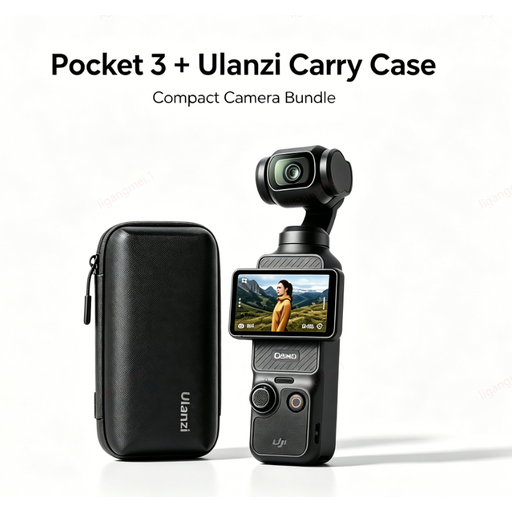
The description mentions travel and everyday filming; check whether the controls and angle of view are suitable for still photos of trees and the canal.
 No image available
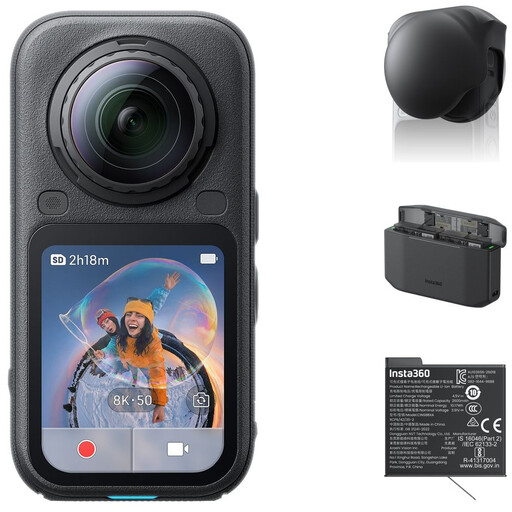
The description mentions 360° video. Check whether you’re looking for a 360° recording rather than a standard frame of a tree or canal scene.
The bundle name lists a lens cap, Xtreme Battery and Fast Charge Case.
 No image available
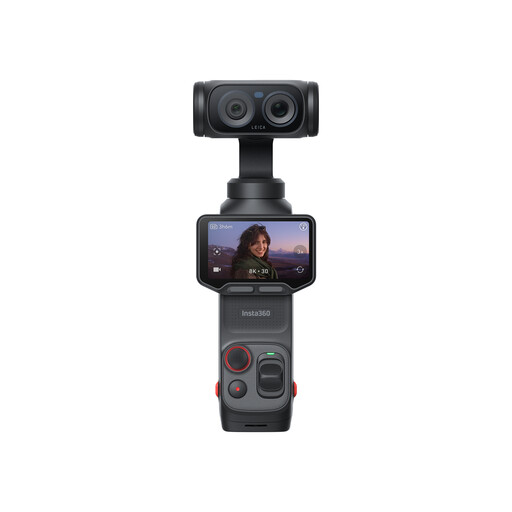
The description mentions a vlogging camera with two lenses; check whether this type of camera suits the way you want to take photos along the canal.
 No image available
The product title lists 12× optical zoom and Wi-Fi. Check whether the optical telephoto range and angle of view suit the trees on the opposite bank.
 No image available
The product title lists 10× optical zoom and front and rear cameras. Check whether the zoom and controls suit the photos you want to take.
Think about which bank you usually shoot from. To capture trees along with the water and streetscape, compare the wide-angle setting first; to photograph a tree on the opposite bank, look at the optical telephoto end. Compare focal lengths on the same 35 mm equivalent basis.
Check that you have a suitable memory card and enough battery charge. The Dutch Consumers’ Association (Consumentenbond) lists an extra battery and SD memory card as separate things to consider; check compatibility in the manual for the exact model.
No. According to ACM ConsuWijzer, statutory guarantees don’t have a fixed two-year duration: the expected lifespan depends, among other things, on the type of product, its price and its brand. If there’s a fault, contact the retailer; the outcome depends on the circumstances.
It depends on how you share the photo. According to the Dutch Data Protection Authority (Autoriteit Persoonsgegevens), a photo shared solely for private purposes or with a very limited group is covered by the exception for personal or household use. That exception doesn’t apply to wider public distribution. Identifiable people are personal data, and processing them requires a lawful basis under the GDPR.