
Woven-detail photographer
You want to show individual strands and joins close up, so you compare macro modes, focusing and depth of field. Nikon recommends using a tripod for small subjects, among other things.


Choose based on the framing you need: an explicit macro mode is important for individual strands and knots, while for the whole basket you should also check the field of view and available shooting distance. Compare the minimum focusing distance at each zoom setting. For a stationary woven subject, directed lighting and a stable setup can help you assess focus and texture carefully.
You want to show individual strands and joins close up, so you compare macro modes, focusing and depth of field. Nikon recommends using a tripod for small subjects, among other things.
You want to fit the entire small basket into the available table space, while also taking a useful close-up. The framing you want and the shooting distance available will help determine the field of view you need.
You don’t only photograph the basket in a fixed workspace and are looking for a compact camera that’s also useful for other subjects. Sony lists a 24–200 mm-equivalent range for the RX100 VII; the focusing distance varies depending on the zoom setting.
First decide whether you’re prioritising the weave, the whole basket, a repeatable setup, or a camera you can also take out and about for other subjects.
| What to consider | What should you check? | Who should pay particular attention? |
|---|---|---|
| Fine weave up close | Check the minimum focusing distance, the corresponding zoom setting, and whether there’s a macro mode or focus bracketing. OM SYSTEM lists close-up shots from 1 cm for the TG-7; Canon lists 1 cm at wide angle in Macro mode for the SX740 HS Lite Edition. | If I want to capture individual strands and knots up close, short-distance focusing is my priority. Around 36% of consumers put fine details first. |
| The whole basket in frame | Check the field of view at wide angle and see whether the framing you want works at the shooting distance you actually have available. | If I mainly want to show the shape of the whole basket and details are secondary, I focus on the framing I can achieve in my workspace. Around 29% of consumers prioritise an overall view. |
| Stable, repeatable shots | See whether a model-specific feature such as focus stacking or focus bracketing suits the way you work. Also allow space for lighting and a stable camera setup. | If I want to take several carefully controlled close-ups, a stable setup and manageable lighting are important. Around 21% of consumers put control over their shots first. |
| Taking photos on the go, too | Compare portability and the focusing range at both wide angle and telephoto; don’t look only at the maximum zoom range. | If I want to take the camera with me for other subjects too, general usability matters alongside basket details. Around 14% of consumers prioritise portability. |
The minimum distance may depend on the zoom setting or macro function you select. For the LUMIX DC-TZ99 in AF Macro, Panasonic lists 3 cm at wide angle and 200 cm at telephoto.
Compare the focusing distance and the framing you want at the same zoom setting. Don’t base your choice solely on the smallest figure in the specifications.
A wide zoom range alone doesn’t tell you whether a camera can focus close up or capture the texture you want.
Give the distance and framing you need for your detail and overall shots more weight than the maximum zoom range.
Stability and directed lighting can be part of the preparation for photographing small subjects. OM SYSTEM states that an SD card isn’t included with the TG-7.
Check what’s in the box for the exact model and work out which accessories you already have.
You’ll need to buy an SD card separately for the TG-7. A tripod or light source may also take up extra table space.
The Tough TG-7 is worth considering if extreme close-ups and focus bracketing are important to you.
The PowerShot SX740 HS Lite Edition and PowerShot G7 X Mark III have different stated focusing distances and zoom capabilities.
The LUMIX DC-TZ99 combines a travel zoom with AF Macro and Focus Stacking.
The RX100 VII is a compact option for anyone who wants to combine basket photography with a variety of other subjects.
This selection includes compact cameras for photography, vlogging and use on the go. Before choosing one for basket photography, check the focusing distance, macro mode and framing you need for each model.
 No image available
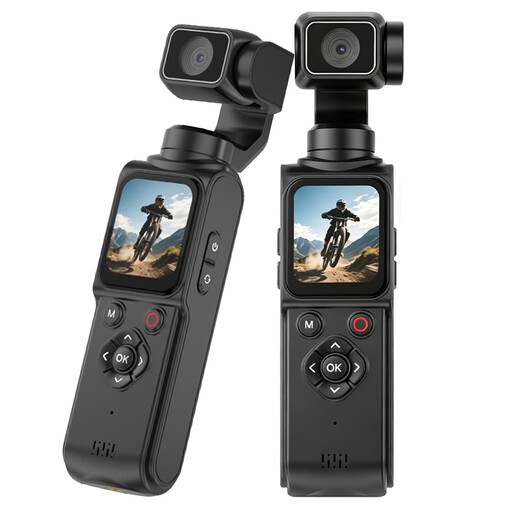
The product title positions this camera for vlogging and lists 4K, 64 MP, Wi-Fi, a 330° rotating lens, a 1.72-inch touchscreen and a tripod. For close-ups of woven details, check the focusing distance and available macro modes.
 No image available
The title lists 5K, 80 MP, 18X zoom and a portable point-and-shoot camera for photography. For basket details, check the minimum focusing distance and whether the framing you want fits the space available.
 No image available
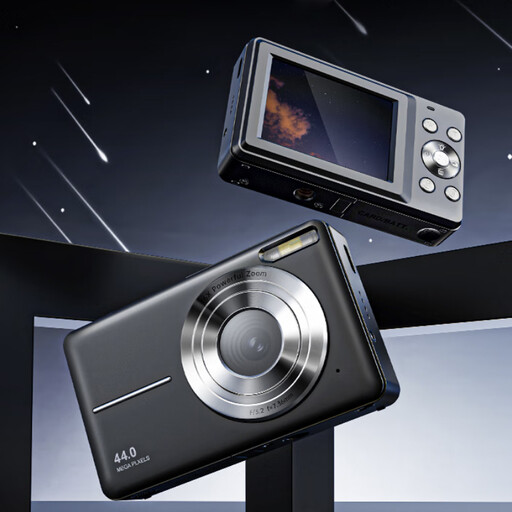
The product title lists 4K, 44 MP and 16X zoom. For small subjects, check the focusing distance and what the camera can do at the zoom setting you want to use for your basket photos.
 No image available
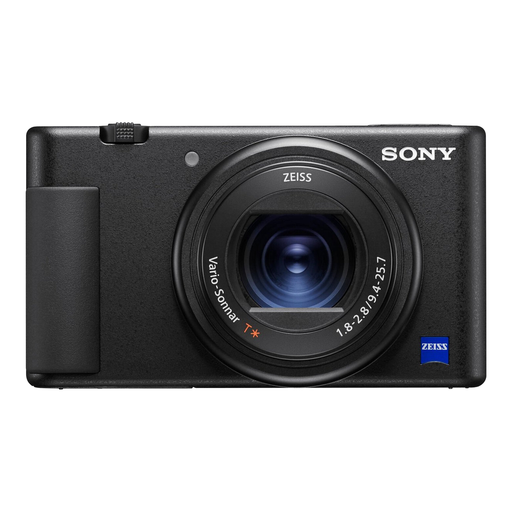
The product name identifies this as a compact camera for vlogging. For basket photography, assess separately whether the focusing distance and field of view work for both the woven details and the overall shot.
 No image available
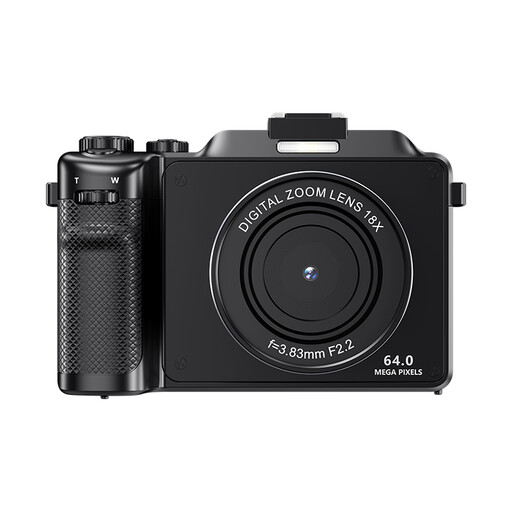
The product title lists 4K, 64 MP, autofocus and 18X digital zoom. The product description notes that digital zoom reduces image quality; also check the focusing distance for the close-up you want to take.
No, the distance can vary depending on the zoom setting. Canon lists 1 cm at wide angle in Macro mode for the PowerShot SX740 HS Lite Edition; for the LUMIX DC-TZ99 in AF Macro, Panasonic lists 3 cm at wide angle and 200 cm at telephoto. Check the setting you want to use for the framing you need.
Use stable support and directed, adjustable lighting, then check the focus at the framing you want. Nikon recommends a tripod for small subjects and describes aperture priority as a way to control depth of field; this doesn’t guarantee a particular result with every compact camera.
Check whether a memory card and the required charging equipment are included with each model. OM SYSTEM specifically states that the TG-7 doesn’t come with an SD card or a separate charger; according to the manufacturer, the camera can be charged using suitable USB equipment.
If a product breaks sooner than you could reasonably expect under normal use, the seller must resolve the problem at no cost, according to ACM ConsuWijzer. This is separate from the length of any manufacturer’s warranty.
For an ordinary product bought online, there’s generally a statutory cooling-off period, subject to exceptions. ACM ConsuWijzer states that this period ends 14 days after delivery; check the applicable terms before trying out the camera.