Who is this guide for?

Organisers with seats at the back

You want everyone to be able to follow the action in the film, even from the furthest seat. Measure the viewing distance before choosing a screen size; the Consumentenbond highlights viewing distance as a factor when deciding on screen size.

Clubs with a bright or wide hall

You need to take incoming light and viewers seated at the sides into account. The Consumentenbond treats viewing angle and visibility in incoming light as separate considerations.

Volunteers playing the film

You want to connect the available playback source and make spoken commentary easy to hear, without having to arrange a complicated setup on the day of the screening.

What should you look for when choosing?

What to consider What should you look for? Who is this important for?
Viewing distance and screen size Measure from the viewers’ eyes to where the screen will be. The Consumentenbond recommends a comfortable viewing distance of around 2.4 times the screen’s diagonal measurement. Use this as a starting point and check that small details are visible from the back. If I’m sitting at the back, I want to be able to follow the action on screen. Around 29% of consumers prioritise visibility from the back row.
Light and viewing angle Check the picture from the furthest seats and in the lighting conditions expected during the screening. The Consumentenbond assesses viewing angle and visibility in incoming light as separate factors. In a bright hall or from a seat beside the screen, I want to be able to follow the picture clearly. Around 23% of consumers prioritise visibility in daylight and from a wide viewing angle.
Connections and playback Check which connection your laptop or player needs, and test your own film file with the chosen setup in advance. I want to play the film from the available source without having to improvise on the day. This is the top priority for around 18% of consumers.
Speech clarity Play a section with speech and listen from the furthest seat. Then check whether you need additional audio and whether it can be connected to your chosen equipment. If the film includes commentary, I want to be able to hear it clearly at the back too. Around 18% of consumers put clear speech first.
Total cost Include installation and any additional audio in your budget, as well as the TV. Compare the energy information for specific models and factor in how long you expect to use them. For the club, I want to be able to assess the total cost of the setup in advance. Around 12% of consumers prioritise keeping purchase and running costs manageable.

Common pitfalls

  • Looking only at the screen’s diagonal measurement

    The distance to the furthest seat and the viewing angles from the sides both affect whether everyone can follow the film.

    Measure the distance to the screen position and check the picture from the side as well.

    A screen that’s too large may not suit the space available, while a picture that’s too small can make details difficult to follow from the back.

  • Assuming a 4K or HDR label guarantees a clear picture

    Resolution, reflections, viewing angle and incoming light are all different picture factors. A logo alone doesn’t tell you whether the film will be easy to see in your hall.

    Watch your own film in conditions similar to those expected during the screening.

  • Waiting until screening day to test the playback source and speech

    A TV’s specifications don’t confirm that it will play your film file or that spoken commentary will be clear at the back.

    Test the complete picture and sound setup in advance, using the actual film and intended source.

    An external player or additional audio may require extra equipment or installation work, so take this into account when preparing the setup.

  • Assuming you can always show a film at a club

    Owning a film or a home copy doesn’t automatically give you permission to show copyrighted material in public.

    Find out who holds the rights to the film, music and any other works used, and arrange permission before the screening if necessary.

Brands to compare

LG

The QNED82A6B range is an LCD option to compare with other screen types. LG also offers OLED models if viewing angle is a key consideration.

  • LG lists a 65-inch 4K screen and local dimming for the 65QNED82A6B.
  • These model specifications don’t tell you on their own how clearly the TV will be seen in your hall; check the seating positions and lighting.

Philips

The Philips 65PUS9000/12 is a 65-inch 4K QLED model with Ambilight, worth comparing against your hall’s needs.

  • Philips lists a 120 Hz refresh rate and integrated lighting behind the TV for this model.
  • These features don’t tell you on their own whether pottery details will be visible or spoken commentary will be easy to hear at the back.

Samsung

The QE65Q7F2AUXXN is a 65-inch QLED model to include in your comparison.

  • Samsung identifies this model as a 65-inch 4K QLED TV.
  • The screen size and QLED label don’t tell you whether the viewing angle, reflections and connections will suit your setup. Check the exact version and test the film.

TCL

The 65Q6C is a 65-inch mini-LED LCD model to compare with other screen types.

  • Joybuy lists a 4K mini-LED screen for the 65Q6C.
  • Check the specifications of the exact version and assess the picture for yourself from the seats in your hall and in its lighting conditions.

TVs for film screenings

These Joybuy TVs come in different screen sizes and feature QNED, QLED or mini-LED technology. Check which size suits your hall, and test your own film and playback source before choosing a model.
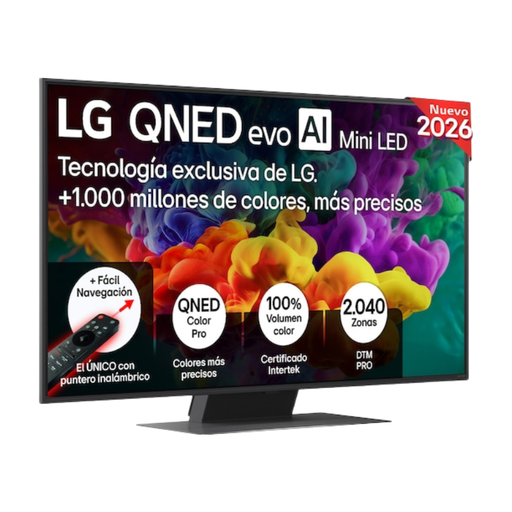
LG 50QNED85B6B 50-inch 4K QNED Mini-LED Smart TV

LG 50QNED85B6B 50-inch 4K QNED Evo AI Mini-LED Smart TV

Worth considering if a 50-inch screen suits the viewing distance and available space. Test the film from the furthest seats too.

50 inches; 4K UHD; QNED Mini-LED.

View at Joybuy
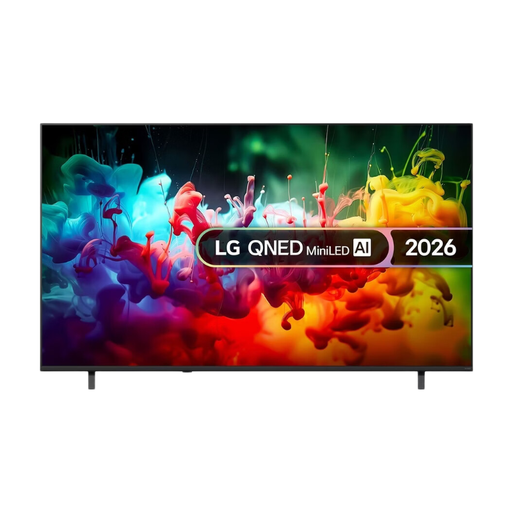
LG QNED70 75-inch 4K Mini-LED Smart TV, 2026

LG QNED70 75-inch 4K Mini-LED Smart TV (2026)

Compare this larger size with the measured viewing distance and the space available for the TV. Check that viewers can follow the picture from the furthest seats.

75 inches; 4K; Mini-LED; Smart TV.

View at Joybuy
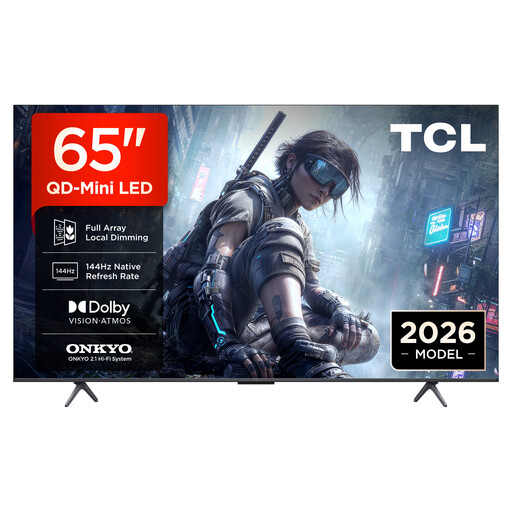
TCL 65T8D 65-inch 4K QLED TV with QD-Mini LED dimming

TCL 65T8D 65-inch 4K QLED TV with QD-Mini LED dimming

Worth considering if a 65-inch screen suits your hall. Listen to your own film from the back to see whether the built-in audio is enough.

65 inches; 4K; QLED with QD-Mini LED dimming; Onkyo 2.1 sound system.

View at Joybuy
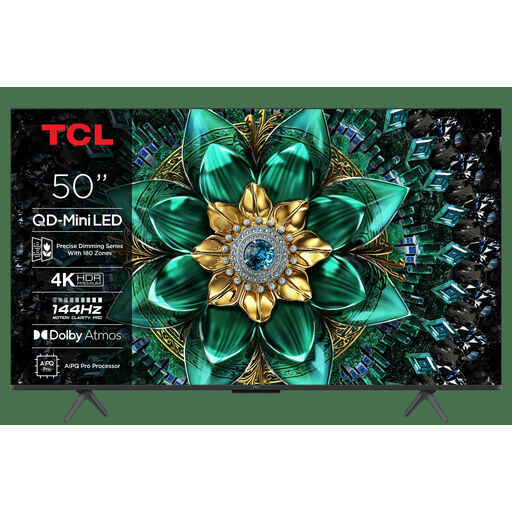
TCL 50Q6C 50-inch 4K QD-Mini LED TV

TCL 50Q6C 50-inch 4K QD-Mini LED TV

An option to compare if 50 inches suits the viewing distance. Test the film and spoken commentary with the equipment the club plans to use.

50 inches; 4K; QD-Mini LED; energy class E.

View at Joybuy
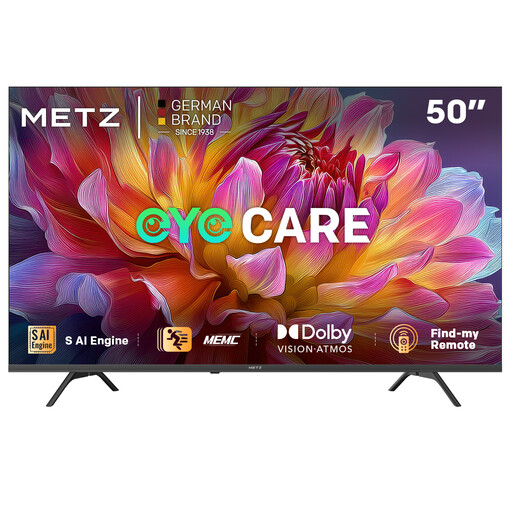
METZ 50MUF7000Z 50-inch 4K UHD Smart TV

METZ 50MUF7000Z 50-inch 4K UHD Smart TV

Compare this 50-inch model with the measured viewing distance, and test your own film using the chosen source before finalising the club’s setup.

50 inches; 4K UHD; HDR10; Dolby Vision and Dolby Atmos; Google TV.

View at Joybuy

Frequently asked questions

What screen size is suitable if people will be sitting at the back?

First, measure the distance from the viewers at the back to where the screen will be. The Consumentenbond recommends a comfortable viewing distance of around 2.4 times the screen’s diagonal measurement. Use this as a starting point, then check that small details in the film are visible from the back.

Can you play the film directly from a USB stick?

That depends on the TV model and file format. Test the original file on your chosen TV in advance. If it doesn’t work, try an external player and connection that you’ve tested too.

Can the community club show the pottery film?

You need permission from the rights holder to show other people’s copyrighted material in public. FilmService describes licences for certain film screenings outside the home, but these don’t automatically cover this specific pottery workshop film. Check who holds the rights to the footage, music and any other works used, and arrange permission in advance if necessary.

Does a two-year manufacturer’s warranty always mark the end of your rights?

Not necessarily: ACM ConsuWijzer explains that the statutory guarantee for a television can sometimes last longer than two years. If consumer law applies to the purchase, the seller is responsible for faulty goods. Check whether the community club counts as a consumer for this purchase.

How do you compare TVs’ energy consumption?

Compare the energy information for the specific models and take the club’s usage time into account. The European Commission provides model information through EPREL. Only calculate potential running costs once you have a suitable electricity tariff.
