
Vandaag of morgen in huis

Kwaliteit gegarandeerd

Welkomstaanbiedingen ontgrendelen: GRATIS bezorging | Tot 80% korting | Gratis 30 dagen JoyPlus-proefperiode
Download de app
Comfortable trainers need to do more than look good. In the Netherlands, you’ll often wear them for commuting, shopping, walking, school or a casual outfit. Yet a style that looks roomy and soft in the product photos may feel too narrow in practice, offer little grip or be difficult to clean.
As a Joybuy Product Recommendation Officer, I look beyond the product copy to focus on specific features. So don’t just consider the brand or appearance: pay particular attention to the fit, material, sole and fastening.
Terms such as “cushioning”, “Memory Foam” and “extra comfort” sound appealing. However, they don’t automatically mean the shoe will suit your foot. An insole may feel soft while the forefoot is too narrow or the heel doesn’t fit securely.
So always check:
A mesh upper generally lets more air through than fully synthetic material. However, comfort also depends on the lining, the thickness of the tongue and the amount of synthetic overlays. Lightweight mesh trainers are often practical for long walks or active days, but they aren’t automatically waterproof in the rain.
A rubber sole with tread can provide grip, but how suitable it is depends on the tread pattern and the surface. For slippery pavements, wet cycle paths and woodland trails, a clearly defined rubber tread matters more than simply describing a shoe as “sporty”. No product description can guarantee the same grip in all conditions.
For comfortable everyday shoes, cushioning, flexibility and a well-fitting insole are important. For trainers with Memory Foam, such as certain Skechers styles, the product information refers to extra softness or cushioning in the insole. Treat this as a product specification, not a guarantee that everyone will have the same experience.
A shoe for gentle walks usually calls for a different balance of features from a running shoe. For running, weight, fit, stability and the construction of the midsole matter more than just a soft interior.
New Balance and PUMA trainers are available in a range of constructions. Compare the specific style rather than choosing based on the brand alone.
Laces let you adjust the fit around the instep. Trainers with hook-and-loop fastenings are handy for children and anyone who wants to put their shoes on and take them off quickly. When choosing children’s trainers, allow enough room for growth without letting the heel slip.
Sizing advice such as “true to size” or “comes up large” is useful, but if you’re unsure, measure your foot and compare it with the size chart. Don’t automatically order the same size from every brand.
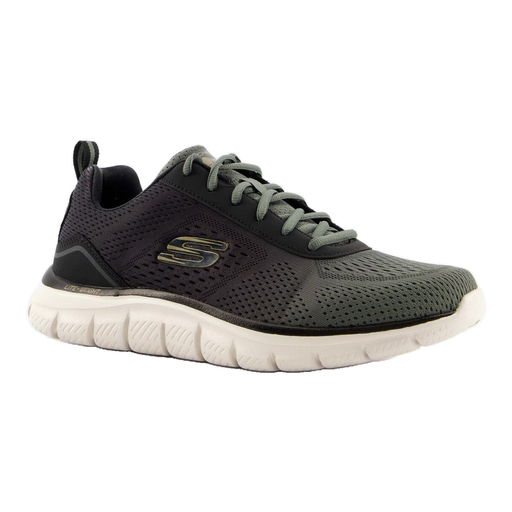
Why it suits this profile: A black everyday trainer with laces, a heel loop and a fixed Memory Foam insole.
The product information states that it has a regular fit and recommends choosing your usual size. The rubber sole has tread for grip and cushioning.
Textile and mesh upper; rubber outsole; lace fastening and heel loop.
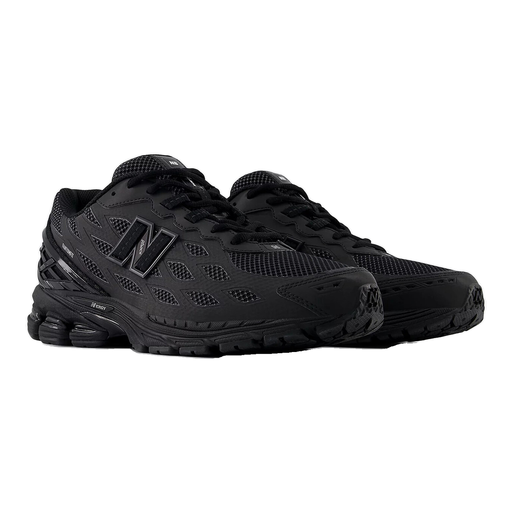
Why it suits this profile: A good choice if you’re looking for one pair for active days, casual outfits and light training.
The specifications list the mesh upper, synthetic overlays and rubber outsole separately. This makes it easier to compare ventilation and durability.
Mesh with synthetic panels; rubber sole; product description mentions cushioning and grip.

Why it suits this profile: Designed for running and use on a range of surfaces, from city streets to trails.
The manufacturer specifies an EVA midsole and ROCKYTEC rubber outsole. Always check the version you choose, as some variants may use different materials.
Lightweight mesh and woven upper; EVA midsole; size chart with foot lengths in millimetres.
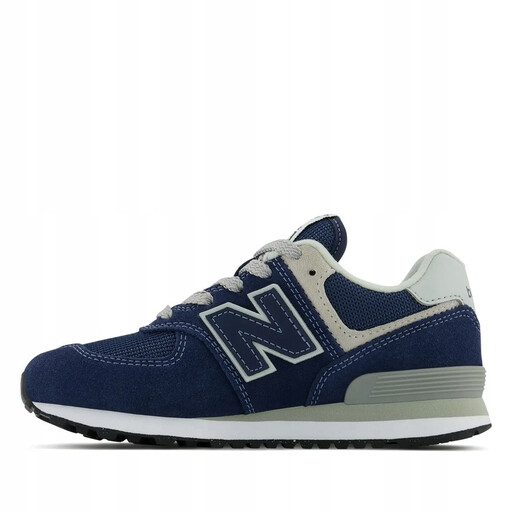
Why it suits this profile: A children's trainer with hook-and-loop fastening for school, play and everyday wear.
The description specifies a treaded rubber sole, an EVA midsole and hook-and-loop fastening.
Suede, synthetic material and mesh; hook-and-loop fastening; rubber treaded sole; size 28.5.
How long your trainers last depends on how you use them, your body weight, the surfaces you walk on and how well you care for them. Leave wet trainers to dry at room temperature and keep them away from radiators. Use a soft brush and mild detergent on textile or mesh. Check the care instructions first: some styles shouldn’t be machine-washed.
Look out for wear on:
A trainer worn mainly indoors will wear differently from a pair used every day on tarmac or unpaved trails.
We’ve put together a complete, up-to-date list of products that meet these strict selection criteria and the applicable European safety regulations.
Look for a flexible rubber sole, enough cushioning, a suitable tread and an upper that doesn’t feel too warm. For everyday walks, styles with a regular fit and clear sizing information are often practical. A running shoe may work well for walking, but you don’t necessarily need one.
Measure both feet at the end of the day and compare the longer foot with the size chart. Also check the fit advice for the specific style. “True to size” generally means you can choose your usual size; if a shoe “comes up large”, a smaller size may be recommended.
There’s no set timeframe. Replace them when the sole shows visible uneven wear, the upper starts to come away or the fit no longer feels stable. This may happen sooner with intensive daily use than with occasional wear. Store your shoes somewhere dry and, where possible, alternate between two pairs to give the materials time to recover.
