
Vandaag of morgen in huis

Kwaliteit gegarandeerd

Welkomstaanbiedingen ontgrendelen: GRATIS bezorging | Tot 80% korting | Gratis 30 dagen JoyPlus-proefperiode
Download de app
Comfortable shoes may seem easy to choose at first. But problems often arise because of the wrong size, poor grip or a sole that isn’t suited to how you’ll use the shoes. If you search online for comfortable slippers and trainers, you’ll also come across terms such as “extra cushioning”, “non-slip” and “memory foam” without a clear explanation of what they mean in practice.
Use these checks to compare shower slides, house slippers, slip-ons and everyday shoes by looking at features you can actually assess.
Wide slippers can feel comfortable if you have broad feet, but a slipper that’s too loose may slide around as you walk. So, look beyond the width and check the shape of the footbed, the raised edge and how well it holds your instep. Unisex slippers may also fit differently from regular women’s or men’s shoes.
A non-slip bathroom slipper needs a different tread from a house slipper designed for dry floors. Check whether the sole has deep grooves, a grid pattern or another clearly visible texture. Also look for drainage. A smooth footbed or water trapped beneath your foot can make the slipper less comfortable to wear.
Shoes with memory foam may feel soft, but fit, flexibility and width still matter. A thick sole isn’t automatically right for long walks either. Consider the material, sole construction, support and the type of activity the shoe is designed for.
For slippers, use the recommended foot length in millimetres if it’s provided. For example, several PUXI models list size 37-38 as suitable for a recommended foot length of approximately 240 mm. Measure your feet at the end of the day, wearing the type of socks you’d normally choose. If you’re between sizes, think about how much room you want: a closer fit for more control, or a roomier fit for wearing at home or with thicker socks.
Some trainers are listed as having a standard fit or a D shoe width. This is useful information, but it doesn’t guarantee that every foot will feel the same amount of space. Check the toe shape and upper material too.
EVA is lightweight, easy to rinse off and suitable for many slippers. However, it can warp if exposed to heat for a long time. Don’t leave EVA slippers in direct sunlight or to dry on a radiator. Textile and mesh materials can be more breathable, but they handle dirt and moisture differently from closed synthetic materials.
Check the care instructions as well. Some trainers can be washed on a gentle, cold cycle and left to air-dry. Others should only be cleaned with a damp cloth.
For shower slides and wet areas, drainage channels and a sole with clear grooves are practical features. For everyday walks, a flexible rubber outsole, a secure instep fastening and sufficient cushioning are more relevant. If you want shoes that are quick to put on, consider slip-ons or hands-free styles.
Be aware of the difference between a product feature and a performance claim. If a brand talks about extra comfort, that’s the brand’s claim. In this guide, we focus on details you can check, such as the material, sole type, footbed, fastening and sizing advice.
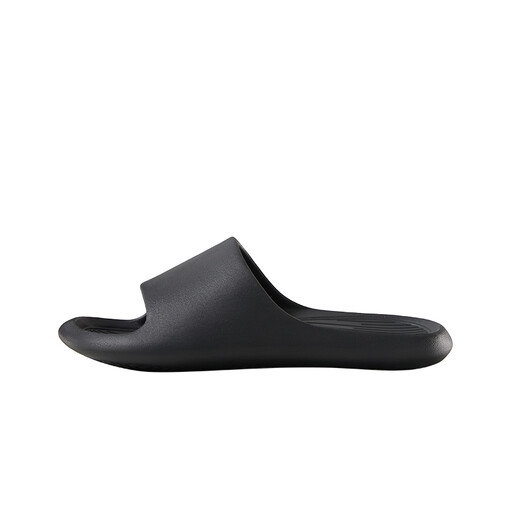
Why it suits this profile: This lightweight EVA slide has a wide shape and is easy to rinse clean. That makes it a practical choice for home, travel or everyday wear in dry weather.
The product description mentions a wide fit, a textured footbed and a raised toe. Check that size 37-38 suits your foot length of around 240 mm.
EVA construction, lightweight design, wide shape and a grid-textured footbed.
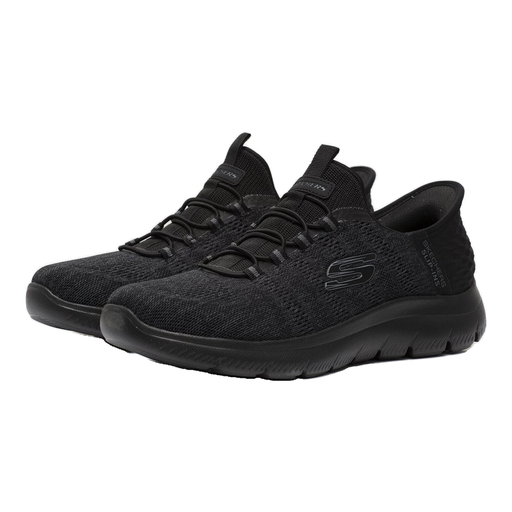
Why it suits this profile: Designed for everyday wear, these trainers have a textile upper, a fixed footbed and a rubber sole. The slip-on design is handy if you’d rather not tie laces as often.
The product page lists a standard fit and recommends choosing your usual size. Still, check your foot width before ordering.
Textile upper, Air-Cooled Memory Foam footbed according to the product description, and a profiled rubber outsole.
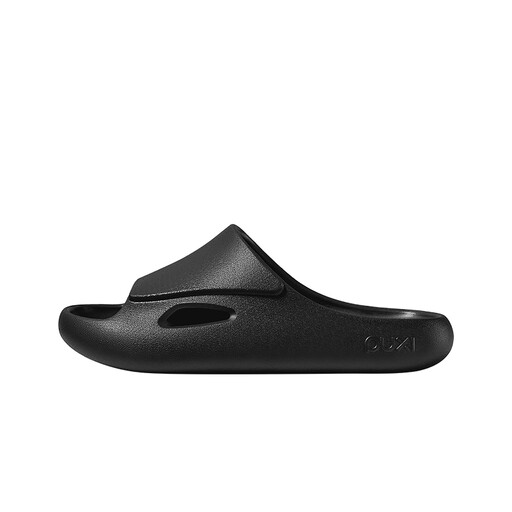
Why it suits this profile: These EVA shower slides are designed for wet areas and, according to the product description, feature drainage channels and a wave-profile sole.
The sole tread and drainage are clearly described. Use the slides only in the conditions they’re designed for, and keep the floor clean.
High-density EVA, drainage channels, a recessed footbed and a wave-shaped sole with grooves.
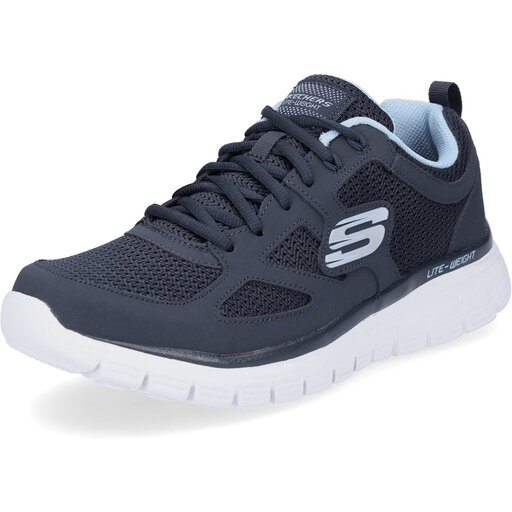
Why it suits this profile: These trainers combine lace-up fastening with a synthetic leather and mesh upper. They’re a good fit for anyone looking for a secure fit for walking, travelling and everyday wear.
The product information lists mesh panels, a Memory Foam footbed and a flexible rubber sole. Adjust the laces to suit your instep rather than relying on size alone.
Mesh for ventilation, a non-removable Memory Foam footbed and a rubber outsole.
We’ve put together a complete, up-to-date list of products that meet these strict selection criteria and the applicable European safety regulations.
Choose a footbed that holds your foot in place and check the width around your instep. A recessed footbed or raised edge may provide more support than a completely flat design. Also measure your foot length and compare it with the size chart.
Lifespan depends on how often you wear them, the surface you walk on, exposure to moisture and how well you care for them. EVA slippers can wear down or warp through heat and heavy outdoor use. Rubber soles and synthetic uppers may last longer if you let them dry, remove dirt and follow the care instructions.
It depends on the model and your feet. According to the product description, memory foam may offer extra softness, but you should also check the width, fastening, breathability and sole flexibility. For long days, overall fit matters more than any single comfort feature.
