
Vandaag of morgen in huis

Kwaliteit gegarandeerd

Welkomstaanbiedingen ontgrendelen: GRATIS bezorging | Tot 80% korting | Gratis 30 dagen JoyPlus-proefperiode
Download de app
Comfortable slippers may seem like a simple purchase, but the difference between a pair you enjoy wearing and a disappointing buy often comes down to the details. A smooth sole can cause problems in a damp bathroom. An opening that is too narrow can feel restrictive after a short time. And a soft slipper without a supportive shape can quickly lose its form.
Use these checkpoints to make a more informed choice between bathroom slippers, slide slippers, EVA slippers, warm slippers and practical unisex slippers.
A product may sometimes be described as non-slip without providing any information about the tread. So look closely at the sole itself: deep grooves, a grid pattern or raised texture can help channel water away and maintain contact with the floor. This is not a guarantee against slipping, particularly on soap, oil or an extremely smooth surface.
For wet areas, non-slip slippers with drainage channels or open drainage points are more practical than a completely flat sole.
A universal size may sound convenient, but it will not automatically fit well. Check the recommended foot length in millimetres and also measure the width of the forefoot. If you are looking for slippers for wide feet, a wide style with plenty of room around the instep is usually more suitable than simply choosing a longer size.
A slipper that is too large will slide around as you walk. One that is too small may press against your heel or toes.
A thick sole may feel comfortable when you first try it on, but the shape, depth of the footbed and level of support determine how well the slipper performs day after day. EVA is lightweight, washable and suitable for water, but not every EVA model offers the same firmness or fit. Textile hotel slippers are lightweight and hygienic for short-term use, but are intended as disposable slippers, not as durable everyday house slippers.
EVA is a foam-like synthetic material commonly used for lightweight slippers. According to their product descriptions, the models in this selection are made from EVA. This makes them practical for use at home, when travelling and in damp areas. However, check whether the model is moulded in one piece, whether it has drainage holes and how the supplier recommends cleaning it.
For a warm indoor or bedroom slipper, a lining made from imitation fleece may feel more comfortable. This type of material is less suitable for wet floors and generally requires careful cleaning.
For bathrooms, swimming pools and spas, three points are particularly relevant:
According to the product description, the PUXI Wave models have drainage channels and a sole with a wave profile and textured finish. These are verifiable product features; the actual grip also depends on the floor and how the slippers are used.
Do not rely solely on your usual shoe size. Measure your foot from the heel to your longest toe and compare the result with the size chart. For several PUXI models, for example:
The Soft Cake and Banana Boat models use different recommended lengths for some sizes. Always check the size chart on the product page. For wide feet, having extra room around the forefoot is often more important than a longer heel section.
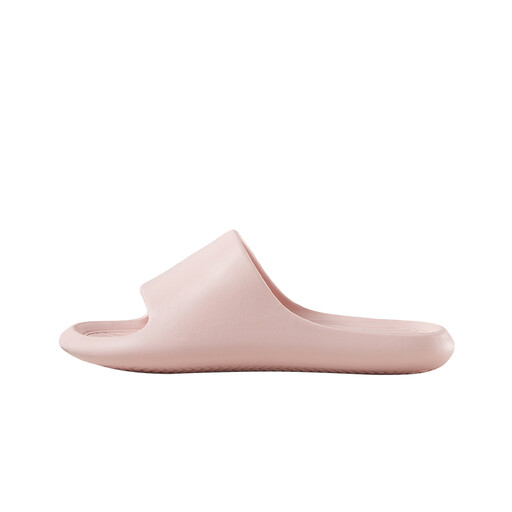
Why it suits this profile: This wide slip-on style is designed for everyday use and may appeal to anyone looking for a simple, lightweight slipper for wearing at home.
The product description mentions a wide fit, raised toe and textured footbed. Even so, check the size and available width to make sure they suit your feet.
EVA, an integrated moulded shape and a lightweight design; available in several colours.
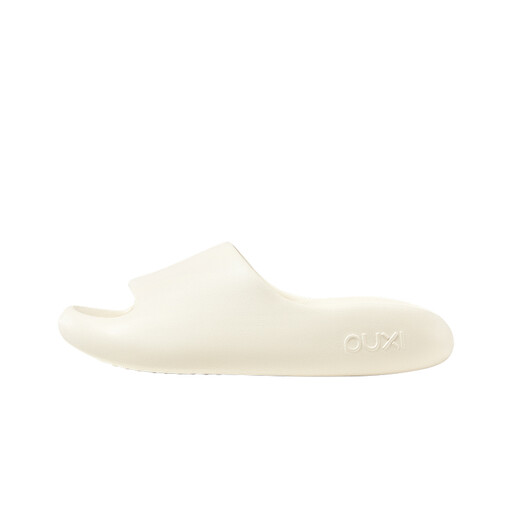
Why it suits this profile: A good choice for anyone who values a thicker footbed, a roomier instep and a style that can also be worn outdoors for short periods.
The stated 3 cm EVA sole, recessed footbed and grid structure provide more detail than a general comfort claim alone.
Thicker footbed, toe protection and a structured footbed, according to the product information.
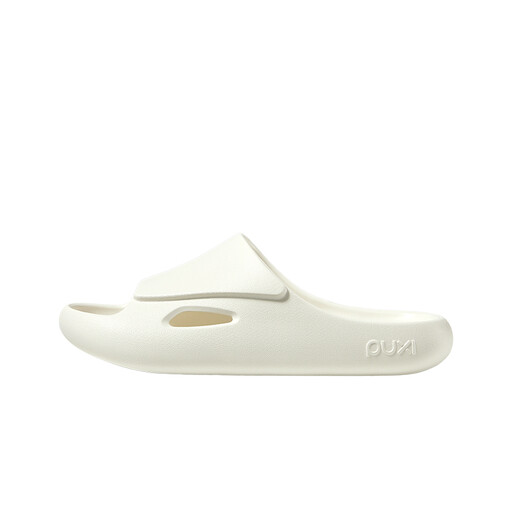
Why it suits this profile: According to the product description, this model was developed for bathroom use and is suited to users who value fast water drainage and a structured sole.
The drainage channels and wave profile are described clearly. However, watch out for soap residue and other substances that can make the floor slippery.
Quick-drying EVA construction, recessed footbed and sole with deep grooves, according to the product page.
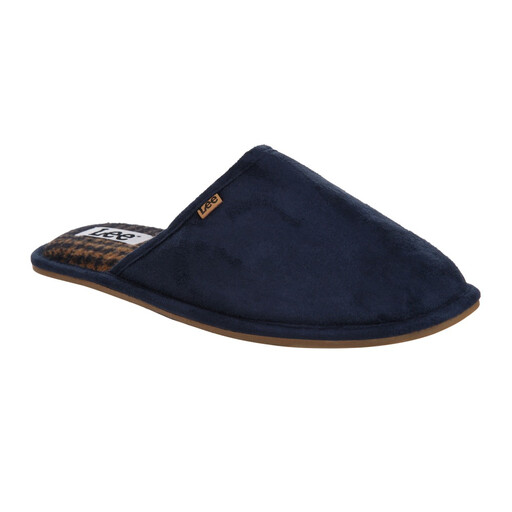
Why it suits this profile: This slip-on slipper is designed for cold days indoors and has a soft imitation fleece lining, according to the product description.
Its intended use is clearly defined: warm indoor wear, not bathroom use. According to the product information, it should be cleaned with a damp cloth.
Slip-on design, imitation fleece and a sturdy sole, according to the product information.
We have put together a complete, up-to-date list of products that fully meet these strict selection criteria and the applicable European safety regulations.
Rinse EVA slippers with lukewarm water and leave them to dry in the shade. Direct sunlight can affect the material and colour. For textile models, use a soft brush and mild detergent if the care label allows it. According to the product information, the LEE Mule slipper must not be put in the washing machine or tumble dryer, or treated with bleach.
If your new slippers have a slight storage odour, allow them to air first. Store them somewhere dry and clean so that moisture and dirt do not build up in the footbed over time.
Choose bathroom slippers with a clearly defined sole tread and, preferably, drainage holes or channels. EVA is practical because the material can easily be rinsed clean. Check the product information and do not use slippers as a substitute for taking care when walking on a wet, slippery floor.
Measure both feet in millimetres, preferably at the end of the day, and use the longer foot as your reference. Compare the measurement with the size chart for the specific model. A wide fit may be important if you have a broad forefoot, but it does not automatically mean that you need a longer size.
This depends on the material, how often you walk in them, the surface and how well they are maintained. A pair used only indoors may wear differently from slippers used in the shower, at the swimming pool and outdoors. Replace them when the sole becomes visibly smooth, the footbed loses its shape or the fit is no longer stable.
