
Vandaag of morgen in huis

Kwaliteit gegarandeerd

Welkomstaanbiedingen ontgrendelen: GRATIS bezorging | Tot 80% korting | Gratis 30 dagen JoyPlus-proefperiode
Download de app
Comfortable shoes need to do more than look good. In the Netherlands, they are often used for commuting, walking, shopping, gardening, travelling or visiting the swimming pool. Yet it is usually only after several hours of wear, or after a rain shower, that you discover whether a particular style really suits you.
The main pitfalls are usually not related to appearance, but to details that are less obvious in product photos:
Do not just check the EU size, but also:
Measure both feet at the end of the day, when feet are often slightly larger. Use the larger measurement as your starting point. With styles featuring a heel strap, laces or a slip-on construction, you can also adjust the fit in different ways.
For the Crocs Classic Clog, the product information recommends measuring the length of your foot from heel to toe and choosing a larger size if in doubt. The Skechers styles in this selection are described as having a regular fit, with advice to order your usual size. Treat this as a guideline and always compare it with the product’s specific size chart.
Textile and mesh can feel lightweight and airy. This makes them appealing as comfortable trainers for everyday wear or sporting activities. However, they require more care in wet and dirty conditions.
Synthetic material can often be wiped clean easily with a damp cloth. Some styles combine synthetic leather with mesh, so you need to weigh ease of care against breathability.
Croslite or EVA foam is commonly used in Crocs clogs and sandals. According to Crocs’ product information, the material is lightweight, water-friendly and easy to clean. These are verifiable material properties from the product description; they do not mean that every foot will experience the same fit or level of comfort.
For walking, gardening and everyday use, a rubber or structured sole is important. Look at the tread and match it to the surface you will be walking on. A sole that performs well on dry paving slabs is not automatically suitable for a wet bathroom floor.
Laces generally offer more adjustability around the instep. A heel strap can provide extra support in clogs and sandals. For wearing around the house or on short journeys, a slip-on style may be more convenient, while lace-up trainers are better suited to a more active day.
Also consider the difference between a fixed and removable insole. A fixed insole is not easy to replace or air separately. This can be important if you wear your shoes frequently or want to let them dry out between activities.
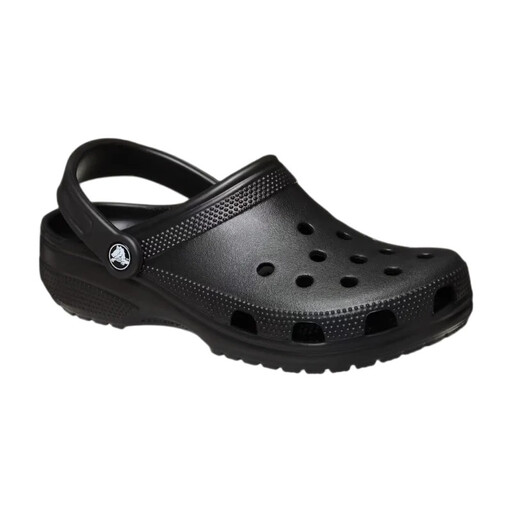
Why it suits this profile: The slip-on construction is practical for around the house, in the garden, at the beach and on short everyday journeys. The black colour is easy to pair with a variety of outfits.
The product information describes a water-friendly, fully moulded material that can be cleaned with water and mild soap. This makes the shoe less dependent on delicate textiles when dealing with light dirt or splashes.
Lightweight Croslite material, ventilation openings and a pivoting heel strap. The listed sizes range from EU 34 to EU 51.
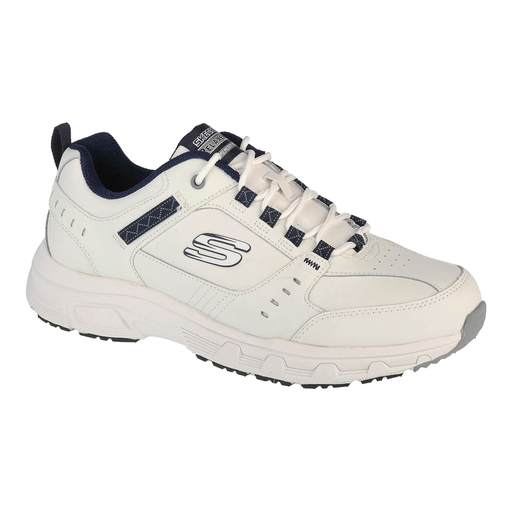
Why it suits this profile: This style is aimed at walkers and shoppers looking for a more enclosed shoe for everyday wear, training and longer periods outdoors.
The specifications mention a Relaxed Fit, a padded collar, laces and a high-profile rubber sole. This provides more information about fit and grip than simply using the word ‘comfort’.
Memory Foam insole, flexible rubber outsole, reinforcements at the toe and heel, and a pull tab. According to the product information, the style is true to size.
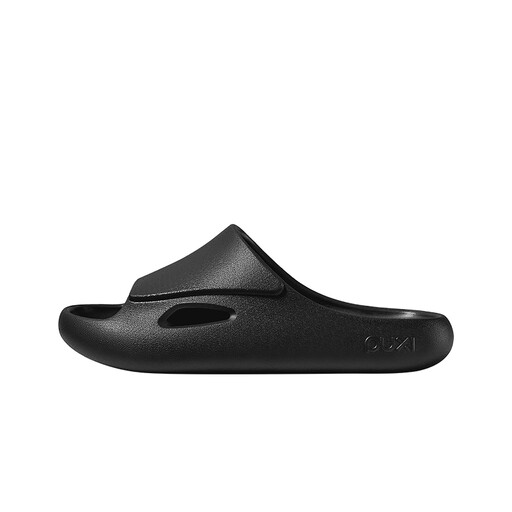
Why it suits this profile: These unisex bathroom sandals are designed for bathrooms, swimming pools and other wet environments. The size selection is linked to a recommended foot length in millimetres.
The product description mentions drainage channels and a grooved sole. These are specific construction features to look for when walking on wet floors, without making an absolute claim about grip.
High-density EVA, a recessed footbed, water drainage and a wave pattern with deep grooves. The stated size 37-38 is linked to an approximate foot length of 240 mm.
A few simple habits can help keep comfortable shoes in use for longer:
Different requirements apply to work shoes with specific protective features. An ordinary trainer, sandal or flip-flop is not automatically safety footwear. For professional use, therefore, check the product category, markings and relevant standards information rather than relying solely on the description ‘sturdy’.
We have put together a complete, up-to-date list of products that fully meet these strict selection criteria and the applicable European safety regulations.
That depends on your routine. If you do a lot of walking, Skechers trainers with laces, a rubber sole and a cushioned insole are a practical choice. For around the house, in the garden, at the beach or by the pool, lightweight Crocs clogs or sandals are easier to clean. Always consider the fit, the surface and the weather.
Measure your foot from the heel to the longest toe and compare the result with the size chart for the style you have chosen. Measure both feet and take socks into account. If a style is described as true to size, ordering your usual size is a sensible starting point. If you are between sizes, the amount of room around the toes and your preferred fit may help you decide.
Their lifespan depends on how often you wear them, your weight, the surface, moisture and how well you look after them. There is no fixed period that applies to every pair. Replace shoes when the sole becomes visibly smooth, the heel wears unevenly, the fastening no longer works properly or the material has permanently lost its shape. Alternating between two pairs can help both pairs air out between wears.
