
Vandaag of morgen in huis

Kwaliteit gegarandeerd

Welkomstaanbiedingen ontgrendelen: GRATIS bezorging | Tot 80% korting | Gratis 30 dagen JoyPlus-proefperiode
Download de app
A comfortable hoodie might seem like a simple purchase, but the difference between one you wear all the time and one that ends up at the back of your wardrobe usually comes down to the details. Think fabric that’s too warm to wear indoors, a fit that changes after washing or a hood that won’t stay in place.
If you’re looking for a hoodie to wear at home, on the go, as streetwear, for sport or as an extra layer, it’s worth looking beyond the colour and brand name. Read on to find out which features matter, which pitfalls to avoid and which styles suit different situations.
A fleece hoodie often feels warm and soft straight away. That’s great on cold days, but it’s not always practical for active use or indoors. A French terry sweatshirt can feel lighter, making it a more versatile choice for everyday wear.
So pay attention to the fabric construction and weight. A high GSM value, measured in grams per square metre, usually indicates a heavier fabric. However, this tells you more than just how warm it is: it also affects how substantial and thick the hoodie feels.
A size L can vary between brands, styles and fits. A regular fit will feel different from an oversized hoodie. Women’s and men’s hoodies don’t always use the same size charts either.
So check the stated chest, waist or body measurements. If you want to wear a hoodie over a T-shirt or sports top, a little extra room can be comfortable. A less roomy fit is often more practical for layering under a jacket.
A hooded sweatshirt can help keep out the wind, but an oversized hood can get in the way when you’re cycling or walking. A zip-up hoodie is easier to put on and take off than a pullover. Pocket space, cuffs and a drawstring also make a difference to everyday wear.
Think about care, too. Cotton may react differently to washing and drying than a cotton-polyester blend. Always follow the care label to help minimise shrinkage, distortion and colour loss.
A cotton hoodie often feels natural and is well suited to casual wear. Polyester can help the fabric retain its shape, dry quickly and stay easy to care for. The proportions matter:
According to Under Armour’s product description, the Rival Terry Hoodie features moisture-wicking and quick-drying technology. This is a claim made in the brand’s product information and shouldn’t be taken as a guaranteed result for every wearer.
A hoodie weighing 330 g/m² will generally feel heavier than a lightweight style. The Urban Classics Fluffy styles are listed with this weight in their product details. They may suit lounging, everyday wear and colder days, but could be less suitable if you’re very active.
The Urban Classics Ultra Heavy Hoody is listed as 460 g/m² and 100% cotton. According to the product specifications, this is a very heavyweight fabric. With this type of hoodie, check the measurements carefully, as an oversized fit with longer sleeves may feel different from what you’re used to.
Choose according to how you plan to wear it:
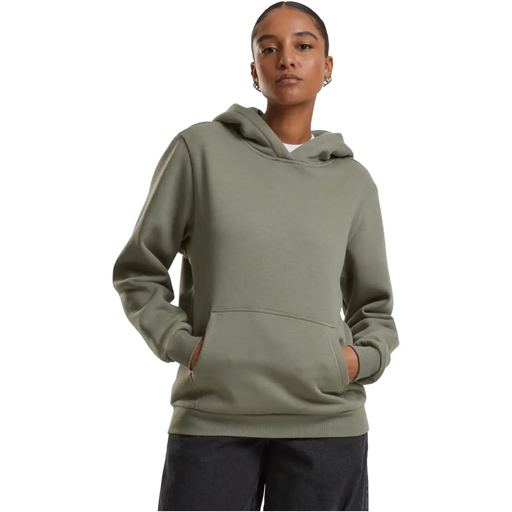
Why it suits this profile: This women’s style has a relaxed fit, a hood and practical storage space. The pale olive colour is easy to pair with jeans, leggings and neutral jackets.
The product details list a cotton-polyester blend and ribbed cuffs. Always check the care label and exact size before ordering.
70% cotton and 30% polyester; relaxed fit; available in several women’s sizes.
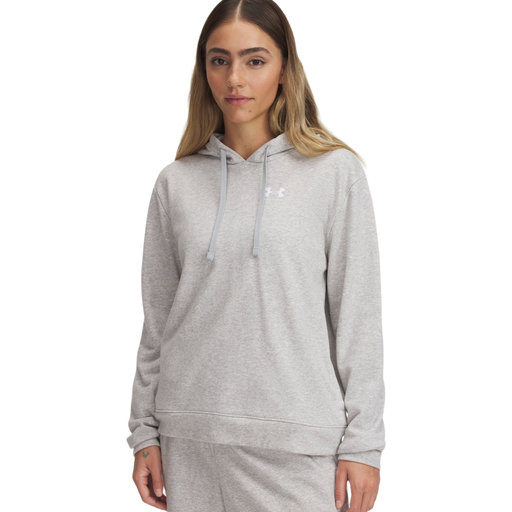
Why it suits this profile: This women’s hoodie is a regular-fit pullover for lounging, casual outfits and wearing before or after a workout.
The product description specifies French terry, with a smooth outer surface and soft inner surface. This makes it easier to distinguish from a thick fleece hoodie.
80% cotton and 20% polyester; regular fit; machine washable at 30 °C according to the product details.
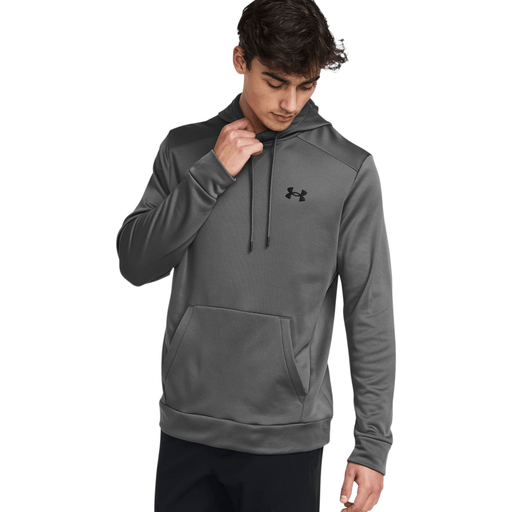
Why it suits this profile: This men’s hoodie is designed as a warm layer for training, everyday activities and wearing with sportswear.
The product details clearly specify 100% polyester, a drawstring hood and a kangaroo pocket. This makes it easier to compare the hoodie by function rather than just appearance.
Fleece style; 100% polyester; hood with drawstring and kangaroo pocket.
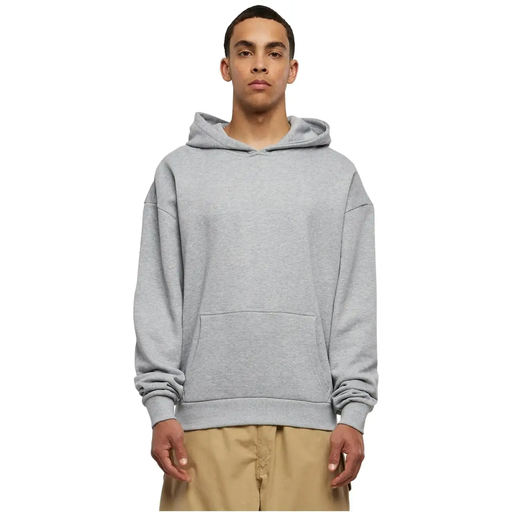
Why it suits this profile: The oversized fit, dropped shoulders and extra-long sleeves make this a roomy casual hoodie for streetwear and everyday wear.
The fit and fabric weight are clearly stated. This helps you see in advance that it isn’t a lightweight layer and choose your size accordingly.
100% cotton; 460 g/m²; oversized fit with kangaroo pocket and hood.
We’ve put together a complete, up-to-date selection of products that meet these strict selection criteria and the applicable European safety regulations.
For everyday wear, you can usually choose between a regular fit and a relaxed fit. A cotton-polyester blend is practical if you’re looking for a balance between comfort and easy care. A pullover works well as a go-to layer; a zip-up hoodie is more convenient if you often need to adjust to changing temperatures.
Fleece generally feels warmer and softer, while cotton is often more versatile indoors and on milder days. How warm a hoodie feels also depends on its thickness, lining and fit, as well as what you wear underneath. So compare the material and fabric weight rather than relying on the word “fleece” alone.
Wash the hoodie according to the care label, avoid bleach if it’s not recommended and use a low heat setting if tumble drying is allowed. It’s best to wash dark styles such as a black hoodie with similar colours. If the care label recommends it, dry a heavyweight hoodie flat or on a washing line.
