
Student without an oven
Wants to soften butter for recipes and bake using a single appliance.


A combination microwave makes sense if you want to soften butter as well as bake cakes or other oven dishes, and you don’t have a usable oven. If you only need to soften butter and reheat food, a solo microwave may be enough. Check that the appliance has a low, adjustable microwave setting and a separate fan oven function, and that it fits on your worktop with room for your baking tin and ventilation. Use the microwave setting for butter: the Netherlands Nutrition Centre recommends around 100 W as a guide.
Wants to soften butter for recipes and bake using a single appliance.
Needs to weigh up the appliance’s external dimensions, ventilation clearance and space for a baking tin against the room available.
Mainly wants to soften butter and reheat food, and needs to decide whether an extra oven function is worth the space.
First decide whether you only want to soften butter or also bake without another oven. That choice determines which functions you need and how much space you’ll require.
Choose this if: you mainly soften butter or reheat meals and already have access to an oven.
Bear in mind: a grill function is not the same as a fan oven or oven function for everyday baking.
Choose this if: you want to use both the microwave and a separate fan oven function, and have enough space.
Bear in mind: your baking tin must fit inside the usable cavity, and there must be enough ventilation space around the appliance.
Choose this if: your home has a suitable, permitted space for a built-in appliance and worktop space is a priority.
Bear in mind: the Consumers’ Association generally describes built-in models as much more expensive than freestanding ones. Also check the required dimensions and ventilation.
| What to consider | What should you check? | Who should pay particular attention? |
|---|---|---|
| Softening butter without melting it | Check whether you can manually set the microwave power to a low level. The Netherlands Nutrition Centre recommends around 100 W; check the butter as you go to make sure it holds its shape. | If I want to beat butter and sugar until light and fluffy, I want to avoid melting the butter. Around 31% of consumers would put keeping an eye on the butter first. |
| Baking as well | Check whether the model has a separate fan oven function and whether your baking tin fits inside the usable cavity. | If you don’t have an oven and want to make cakes or other oven dishes, you’ll need an appliance that can do both. Around 31% of consumers would therefore prioritise the oven function. |
| Worktop space | Measure the available space and check the external dimensions, door clearance and ventilation requirements in the manual. | In a small kitchen, I want to know whether the appliance can be positioned safely without taking up space for other things or my baking tin. Around 23% of consumers would make placement space their main consideration. |
| Cost in relation to use | Decide whether you need an oven function, then compare suitable sizes and the current terms of sale. | If I already have an oven and mainly want to soften butter, I don’t want to pay for functions I’ll rarely use. Around 15% of consumers would give most weight to the overall cost. |
A grill function is not the same as a fan oven or oven function. A model without a suitable oven function may not be right for recipes that require conventional baking.
For cakes and other oven dishes, check specifically that the appliance has a separate oven or fan oven setting.
Melted butter behaves differently from softened butter in recipes where you beat butter and sugar until light and fluffy.
Use a low microwave setting and check the butter as you go. Only follow a recipe that calls for melted butter if that’s what the recipe actually says.
The external dimensions, ventilation clearance and space for your baking tin all determine whether a model will work in the space you’ve chosen.
Measure your worktop and baking tin, and check the installation dimensions for the exact model.
The freestanding TMC2302B combines microwave, grill and fan oven functions for anyone who wants to bake too.
The MW 7918 and MW 7774 are different models with microwave, grill and fan oven functions.
The freestanding MWSC 833 B is a larger combination microwave to consider if you want to prepare bigger dishes.
The NN-CD88 range combines microwave, convection oven and grill functions; Panasonic also lists an air fryer function.
Samsung’s range includes both solo and combination microwaves; check the functions available on each model.
The models below have a microwave function for softening butter; models with a fan oven function may also be suitable for baking. Check the functions of the exact model before you choose.
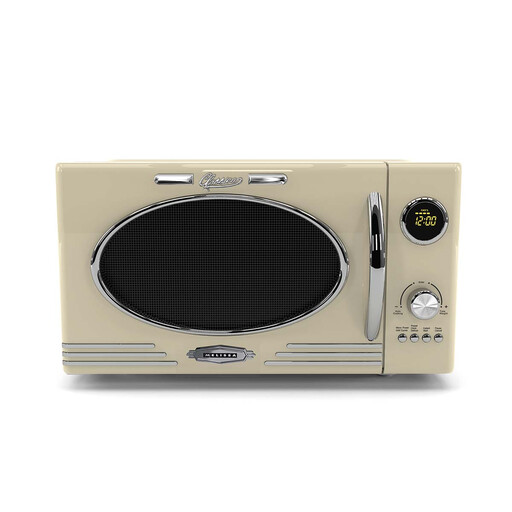 No image available
The microwave function is useful for softening butter; check whether one of the five power levels is low enough for the job.
The product name lists 800 W, 23 litres, 12 programmes and a 60-minute timer. The grill function is not a substitute for a fan oven function.
 No image available
The product name describes a combination microwave with grill and convection; check that the separate functions suit the butter and recipes you want to prepare.
Capacity: 25 litres. Colour: silver.
 No image available
The product name describes a combination microwave with grill and convection; check the manual for settings that suit your needs.
Capacity: 20 litres. Colour: black.
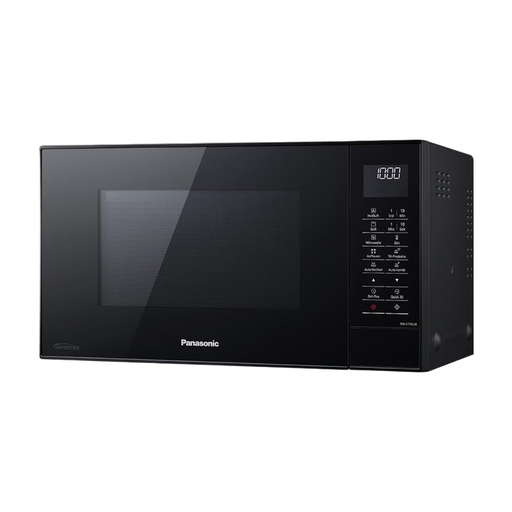 No image available
The product name lists microwave, grill and convection functions; check which setting is suitable for butter and whether the cooking space is large enough for your baking tin.
The product name lists 1.000 W microwave power and inverter technology.
The product information mentions built-in and under-counter use; check that the planned installation suits the model.
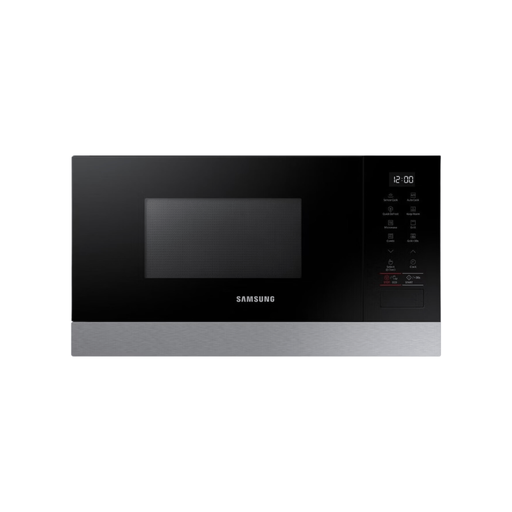 No image available
The product name describes this as a combination microwave; check the manual for the available settings and make sure the model suits your baking recipes.
The product name lists 900 W and a capacity of 22 litres.
The product information describes this model as a built-in microwave, so you’ll need a suitable space for installation.
Use the microwave function on a low setting that you select manually, not the grill or fan oven function. The Netherlands Nutrition Centre recommends around 100 W for butter. Check it as you go: you should be able to press a dent into it while it still holds its shape. The time needed varies depending on the amount and the appliance.
No. In microwave mode, only use materials that are marked as suitable and approved for use in the appliance manual. An accessory for the grill or fan oven is not automatically suitable for use with microwaves.
Keep the ventilation openings clear and follow the positioning measurements in the manual for the exact model. Keep the door and seal clean; if the door or seal is damaged, don’t use the appliance until it has been repaired by a qualified professional.
No. According to the Dutch Government, the Netherlands has no fixed legal guarantee period: you’re entitled to a product that meets expectations for a reasonable length of time. If there’s a problem, contact the seller; a manufacturer’s guarantee is separate.
According to the Dutch Government, when you buy from a business online, you’ll often have a 14-day cooling-off period. Check which terms apply; online purchases from private sellers are not covered by the same distance-selling rules.