
Quickly warming tortillas
After doing the shopping, you mainly want to warm tortillas until soft, without much preparation. Start by assessing the microwave function, then look at the additional settings.


For soft tortillas, the microwave setting is the function that matters. A combination microwave is mainly worthwhile if you also want to bake or grill, as the Consumers’ Association distinguishes between reheating and baking. Choose a freestanding or built-in model to suit your kitchen space, and check that the capacity and settings work for the dishes you make.
After doing the shopping, you mainly want to warm tortillas until soft, without much preparation. Start by assessing the microwave function, then look at the additional settings.
You also want to use the same appliance for baking or grilling. Check which functions are available separately and whether your plates and dishes will fit.
Your choice will mainly depend on the space available on your worktop or in an existing built-in cavity. The external dimensions and installation type are important factors to consider.
Start with how you’ll use it most. Quick reheating calls for different features from regular baking, grilling or fitting an appliance into an existing kitchen space.
If you’re considering a combination microwave for warming tortillas and possibly preparing other dishes too, your choice will depend on your main priority.
| What to consider | What to look for | Who is this important for? |
|---|---|---|
| Quick reheating | A separate microwave setting, with adjustable power and time. | If I mainly want to warm soft tortillas, I want to be able to do so easily using the microwave setting. Around 40% of consumers prioritise quick reheating. |
| Baking or grilling | Separate oven and grill settings, plus accessories suitable for those settings. | If I also want to use the appliance for other dishes, I’ll check what I can cook with the additional settings. Around 30% of consumers prioritise versatility. |
| Space and installation | External dimensions, usable interior space, freestanding or built-in design, and ventilation requirements. | If my worktop is short on space or I want to use an existing cavity, I’ll first check whether the appliance will fit there in line with the installation requirements. Around 20% of consumers prioritise installation. |
| Controls and maintenance | Check which accessories are included and what the manual says about use and cleaning. | If I switch between reheating and other cooking methods, I want to know which setting and accessories I can use each time. Around 10% of consumers prioritise controls and maintenance. |
The microwave setting is for reheating; baking and grilling are different cooking methods.
Decide in advance whether you’ll also use the appliance for oven dishes. If you only want to reheat or defrost, compare solo microwaves too.
The interior space, external dimensions and installation type answer different questions. A dish might not fit, even if the stated capacity looks suitable on paper.
Measure the available space and the dishes you plan to use. If you’re choosing a built-in model, check its specific installation requirements too.
A crisp plate or microwave-safe film isn’t automatically suitable for the grill or oven setting.
For each cooking setting, follow the manual for the exact appliance and the instructions for the accessory or cover you’re using.
According to Inventum, the freestanding MN237CB combines a microwave with convection and grilling.
According to Whirlpool, the freestanding MCP 349 SL combines microwave, oven and grill functions with Crisp.
According to Panasonic, the NN-DF38PBEPG is a flatbed combination microwave with microwave, oven and grill functions.
The CMA583MS0 is an example of a built-in combination microwave with microwave, convection and grill functions.
The MC35R8058CC illustrates the extra grilling and AirFry options available on some combination microwaves.
These Joybuy combination microwaves are for anyone who wants to reheat tortillas using the microwave function and, depending on the model, also grill or bake, or choose a built-in design.
 Image unavailable
An option if you want to grill and cook with convection as well as reheat tortillas.
Capacity: 25 L. Functions: grill and convection. Don’t use metal objects or aluminium foil unless the manual expressly allows it.
 Image unavailable
Suitable if you want to use grill and convection functions as well as reheat food.
Capacity: 20 L. Functions: grill and convection. Ensure there’s enough ventilation; if you plan to install it in a cabinet, follow the model’s instructions.
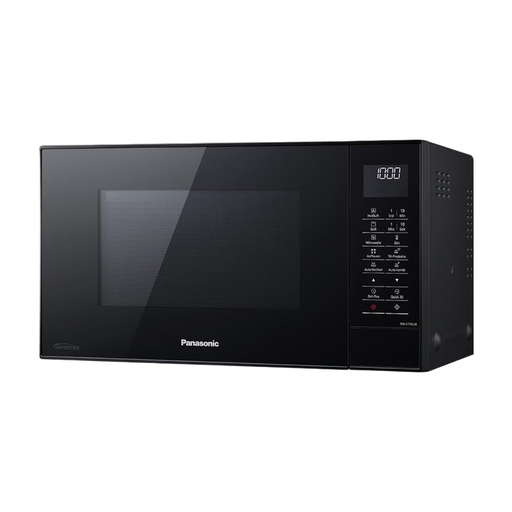 Image unavailable
An option if you’re looking for a combination microwave for reheating, as well as grilling and cooking with convection.
Capacity: 27 L. Microwave power: 1000 W. Functions: grill and convection. Allow at least 10 cm of ventilation space and don’t use metal on the microwave setting.
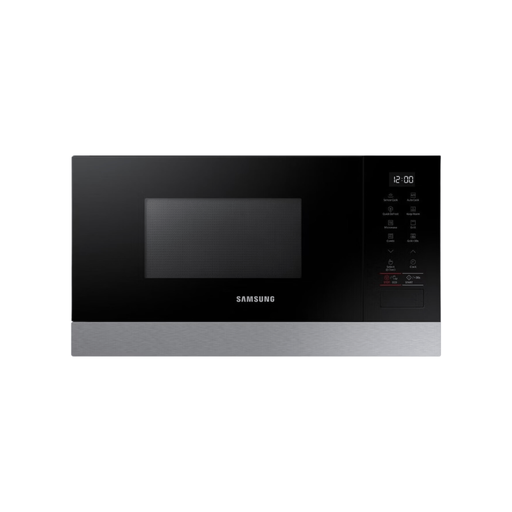 Image unavailable
Suitable if you want to warm tortillas and use a grill function too.
Capacity: 22 L. Microwave power: 900 W. The product name mentions a ceramic interior and Slim Fry technology.
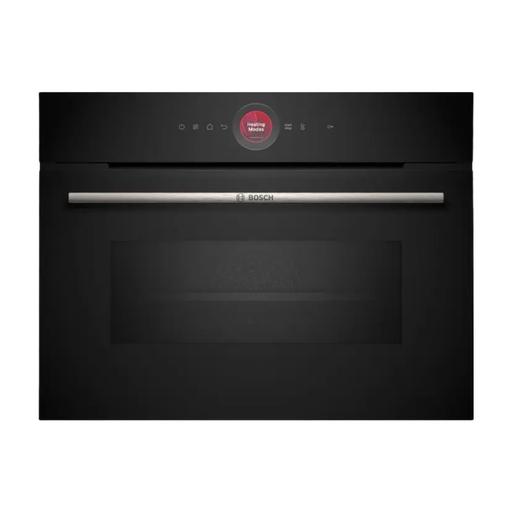 Image unavailable
A built-in option if you want to use convection and grill functions as well as the microwave.
Capacity: 45 L. Microwave power: 900 W. Requires a suitable cavity; the specified niche dimensions are 45,5 × 56 × 55 cm.
Use the microwave function and follow any instructions on the packaging. The oven and grill are different cooking methods, and the time needed may vary depending on the tortilla and portion size.
The Netherlands Nutrition Centre advises reheating leftovers until piping hot all the way through and stirring them while using the microwave, as some parts may remain cold. Use microwave-safe dishes and follow the storage and cooking instructions for the ingredients.
Check the dimensions and installation instructions for the exact model. The Consumers’ Association points out that built-in models need ventilation space, while a freestanding model takes up room on your worktop.
No. According to the Dutch Government, there is no fixed statutory warranty period in the Netherlands. What you can reasonably expect from a product depends on factors including the type of product. If there’s a fault, contact the seller. A manufacturer’s warranty is in addition to your statutory rights.
According to the Netherlands Food and Consumer Product Safety Authority, products covered by the Commodities Act Decree on Electrical Equipment must carry a CE marking. The low-voltage rules mentioned apply to electrical equipment with a rated AC voltage of 50 to 1000 V. For a specific model, check which rules apply and what documentation it comes with.