If you want to beat butter with sugar afterwards, a separately adjustable low microwave setting matters more than a high maximum power. The Netherlands Nutrition Centre recommends around 100 W for softening butter. If you also want to bake in the same appliance, consider the usable space for your tins and how much room the appliance takes up. A low setting or an additional oven function does not, by itself, guarantee an even result.
Who is this buying guide for?
Workshop host who needs to soften butter
You want to make butter pliable without melting it, for example when you plan to beat it with sugar until light and fluffy. The Netherlands Nutrition Centre recommends around 100 W for softening butter; King Arthur Baking describes the desired texture as easy to indent, but with some resistance.
Workshop baker using several baking tins
You want to bake in the same appliance after preparing your ingredients. The Consumers’ Association points out that usable space can differ from the stated capacity, so check that your tins will fit.
Organiser with limited workspace
You need to decide whether a freestanding appliance will fit on the worktop or whether you have a suitable space for a built-in model. With a built-in model, you also need to consider the required niche and installation requirements, as the Consumers’ Association emphasises.
What should you look for?
Start with the microwave setting for butter, then consider whether you really need an oven function, extra interior space and a built-in or freestanding design.
| What to consider |
What should you look for? |
Who is this important for? |
| Softening butter |
Check whether you can select a separate low microwave setting. The Netherlands Nutrition Centre recommends around 100 W for butter; check it as you go to make sure it stays pliable. |
If I want to beat butter with sugar, I need it to soften without melting. Around 36% of consumers choosing an appliance for this type of workshop give control over the butter the highest priority. |
| Space for baking tins |
Measure your tins and compare them with the usable interior space; don’t focus solely on the litre capacity. |
If you want to bake in the same appliance after softening the butter, you need to know whether your tins will fit. For around 29% of consumers, baking with tins that fit is the top priority. |
| Where it will go in the kitchen |
For a freestanding model, measure the available worktop space. For a built-in model, check the niche and ventilation requirements in the instructions. |
If I have limited worktop space or a fitted kitchen, the space available will determine which type is practical. Placement is the main consideration for around 21% of consumers. |
| Use and aftercare |
Choose additional functions that suit the recipes you have planned, and check the model’s and retailer’s cleaning and warranty terms. |
If I use the appliance regularly, I want to know which functions I really need and what to do if it needs maintenance or develops a fault. Around 14% of consumers prioritise running costs and aftercare. |
Common pitfalls
-
Assuming a high maximum power means it has a suitable setting for butter
If you want to beat butter with sugar, the aim is to make it pliable without melting it. A high maximum power doesn’t tell you whether the appliance has a separately adjustable low setting.
Check which low settings are available and test the butter as you go to see whether it is pliable.
If the butter melts, it may no longer be suitable for the recipe, and ingredients could go to waste.
-
Going by the stated litre capacity alone
The stated capacity doesn’t necessarily tell you how much room your tin will actually take up. For example, the Consumers’ Association lists the Inventum MN237CB as having 11.6 litres of usable capacity, compared with its stated net capacity of 23 litres.
Measure your baking tins and compare them with the usable interior space and, where applicable, the turntable.
-
Confusing an additional baking function with a suitable setting for butter
A function such as Crisp is designed for other types of cooking and doesn’t show that the appliance has a separate low microwave setting for butter.
Choose additional functions to suit your workshop recipes, and assess the appliance’s suitability for softening butter separately.
Brands to consider
Inventum
The freestanding MN237CB could suit a workshop where you want microwave and fan oven functions in one appliance.
- Inventum lists a net capacity of 23 litres and five microwave settings for this model; the functions can be used separately.
- The Consumers’ Association reports 11.6 litres of usable capacity. Check that your tins will fit and which microwave setting suits the way you plan to use it.
Bosch
The built-in combination oven with microwave, CMA485GB2, is an option for a fitted workshop kitchen where you want microwave, fan oven and grill functions together.
- Bosch lists a separate 90 W microwave setting and a capacity of 44 litres for this model.
- Check that the niche and installation requirements suit your kitchen. The power setting doesn’t guarantee a particular result when softening butter.
Whirlpool
The freestanding MCP 349 SL could be worth considering if your workshop includes other types of cooking as well as baking.
- Whirlpool lists a 25-litre capacity, fan oven and Crisp function for this model.
- The additional function doesn’t offer a specific advantage for softening butter. Check separately which low microwave settings are available.
Products for softening butter and baking
Microwaves and combination microwaves for softening butter; where listed, additional functions may also be useful for baking in the same appliance.
 No image available
Sharp YC-PC254AE-S, 25 l, silver
The microwave function is intended for softening butter; the fan oven and grill are listed for anyone who also wants to prepare other dishes during a workshop.
25 litres; ten power settings; fan oven and grill; semi-digital controls and child lock.
View at Joybuy
 No image available
Siemens FF023LMB2, 20 l, black
The microwave function is suitable for softening butter; the listed fan oven and grill functions may also be useful for baking.
20 litres; glass turntable; seven automatic programmes. Freestanding; installation with a suitable bracket requires adequate ventilation.
View at Joybuy
 No image available
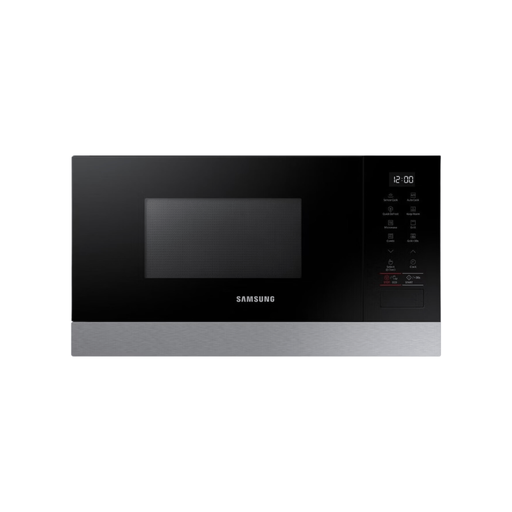
Samsung MG22M8274CT/E1, 22 l, built-in
The microwave function is suitable for softening butter; the product description also lists a grill function.
22 litres; six power levels; 255 mm turntable. This is a built-in model and requires a suitable space for installation.
View at Joybuy
 No image available
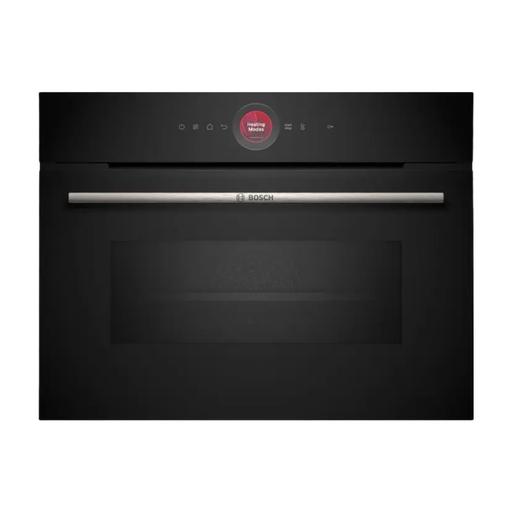
Bosch CMG7241B1, 45 l, built-in
The microwave function can be used to soften butter; the fan oven and grill offer additional cooking options.
45 litres; 900 W microwave power; temperature range 40–230 °C. Check the required niche and follow the installation instructions.
View at Joybuy
 No image available
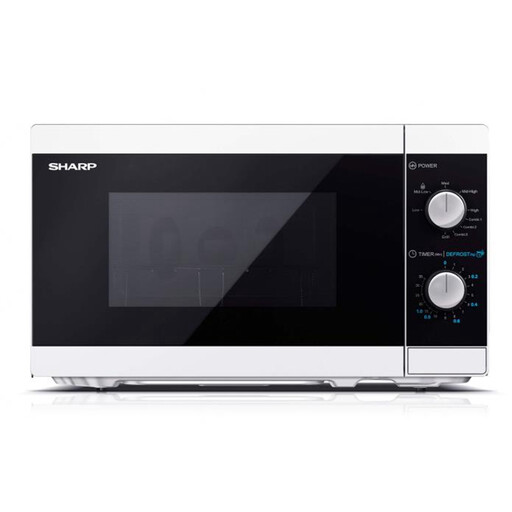
Sharp YC-MG01E-W, 20 l, 800 W
The microwave function is suitable for softening butter. This model has no fan oven or oven function, so baking in the same appliance is limited to using the grill.
20 litres; five power settings; manual controls; grill.
View at Joybuy
Frequently asked questions
Which setting should you use for soft butter that hasn’t melted?
The Netherlands Nutrition Centre recommends around 100 W for softening butter. Check it as you go to make sure it remains easy to indent without becoming greasy or melting; the time needed can vary.
Can you use the fan oven or combination setting to soften butter?
A separate low microwave setting is the right place to start when softening butter. The fan oven is designed for baking; also check whether your recipe calls for softened or melted butter.
What should you bear in mind when installing and cleaning the appliance?
When using the microwave setting, use a suitable dish and follow the instructions for your chosen model. For a built-in appliance, allow for the specified niche and ventilation space; installation and cleaning instructions can vary between models.
What happens if your combination microwave breaks down in the Netherlands?
For a consumer purchase, statutory rights apply, but there is no fixed statutory warranty period. The retailer is your point of contact if the product does not have the qualities you are entitled to expect; a manufacturer’s warranty is in addition to your statutory rights. Check whether the purchase is being made as a consumer or for business use.
Do you need to register a baking workshop with the NVWA?
This depends neither solely on using a combination microwave nor on calling it a workshop. According to the NVWA’s step-by-step guide, anyone who sells food to consumers several times a year must register and work with a food safety plan or hygiene code; the NVWA says there is no registration requirement for selling food once a year. Check whether food will be sold in your situation and how often.


