What should you look for when buying?
Start with a separately adjustable low microwave setting for the butter and a proper oven function for baking. Then choose the installation type that suits your kitchen.
The Netherlands Nutrition Centre recommends 100 W for softening butter, while the Consumers' Association recommends 200 W. These are different usage guidelines, not a guarantee of the same results with every appliance. Check the available settings in the manual and keep an eye on the butter as it warms.
| What to consider |
What should you check? |
Who is this important for? |
| Softening butter |
Check whether you can manually select a low microwave setting and easily stop the heating process. |
If you want to warm a small amount of butter after class without melting it, make this your top priority. Around 36% of consumers in this buying context put softening butter first. |
| Baking as well |
Look for a separate oven or fan oven function, and check whether your baking tin will fit. |
If you want one appliance for both warming butter and baking, you’ll want to know whether it can genuinely bake and whether your tin will fit. Around 29% of consumers give this combination top priority. |
| Positioning in the kitchen |
Compare the appliance’s external dimensions or cavity dimensions and ventilation requirements with the space available. |
If you have limited worktop space or already have a built-in cavity, you’ll want to check that the appliance will fit there in accordance with the requirements before buying. Positioning is the main concern for around 21% of consumers. |
| Cost and service |
Compare the total purchase price and any installation costs, and check what after-sales service the retailer offers. |
If you’re mainly considering the cost and the support available if something goes wrong, compare those terms before you choose. Around 14% of consumers put cost and service first. |
Combination microwaves at Joybuy
These Joybuy products are suited to warming butter using the microwave function, then baking with an oven or fan oven function. The selection includes freestanding and built-in models.
 No image available
Sharp YC-PC254AE-S, 25-litre combination microwave
The microwave and fan oven functions are suited to warming butter and then baking. Check the manual to see which low microwave setting is suitable for the quantity you’re using.
Listed features: 10 power levels, a 270 mm turntable, a baking tray and dimensions of 490 × 289 × 493 mm.
View at Joybuy
 No image available
Siemens FF023LMB2, 20-litre combination microwave
The product description lists microwave, grill and fan oven functions. Check the low microwave settings in the manual and make sure your baking tin will fit.
Listed features: 20 litres, a glass turntable and seven automatic programmes. The product description says that sufficient ventilation is required if you place it in a cabinet.
View at Joybuy
 No image available
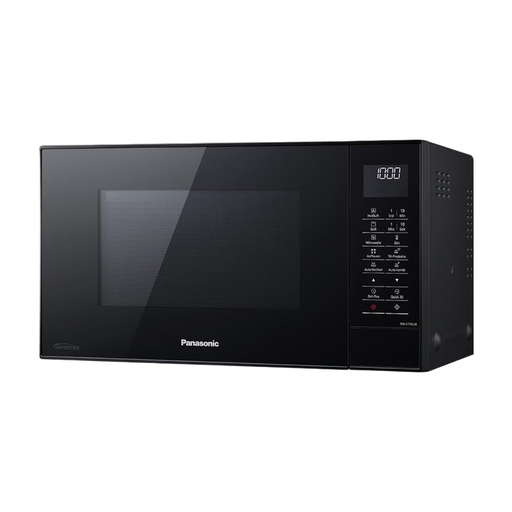
Panasonic NN-CT 56, 27-litre combination microwave
The product description lists microwave and fan oven functions for both steps. Check which low power settings you can select for butter.
Listed features: six microwave power levels, 1000 W microwave power and a 34 cm turntable. The description says it can be installed as a built-in model or under a worktop, with at least 10 cm of clearance for ventilation.
View at Joybuy
 No image available
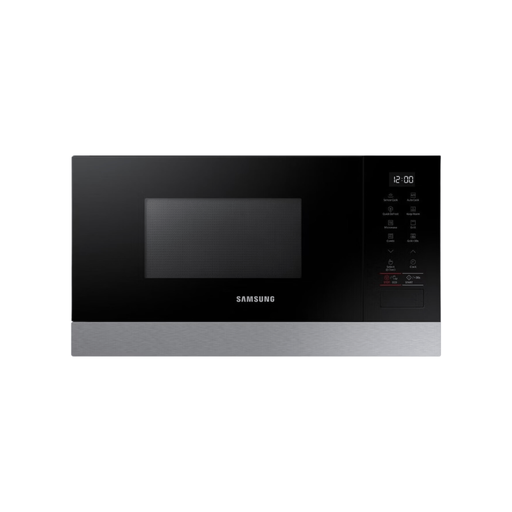
Samsung MG22M8274CT/E1, 22-litre built-in combination microwave
This built-in model is an option if you have a suitable cavity. Check whether it also has an oven function that suits your baking, and which low microwave settings are available.
The product title lists a 22-litre capacity and 900 W microwave power. A suitable cavity is needed for installation.
View at Joybuy
 No image available
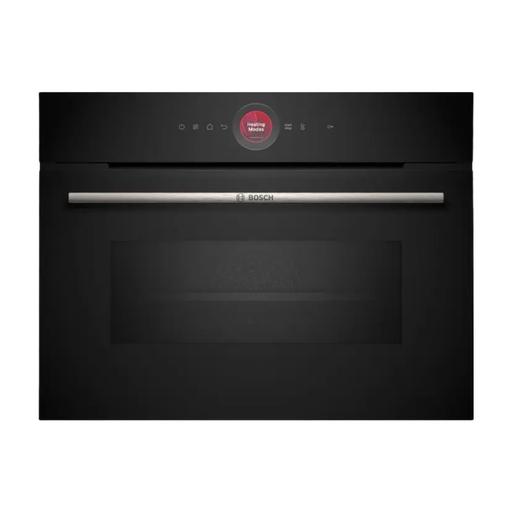
Bosch CMG7241B1, 45-litre built-in oven with microwave
The product description lists microwave cooking and convection baking. Check the low microwave settings for butter and make sure the built-in dimensions suit your kitchen.
Listed features: 45 litres, maximum microwave power of 900 W and cavity dimensions of 45,5 × 56 × 55 cm.
View at Joybuy
Frequently asked questions
Which setting should you use to soften butter?
Use the separate microwave function on a low available setting, checking the butter as it warms. The Netherlands Nutrition Centre recommends 100 W and the Consumers' Association 200 W as usage guidelines; these values don’t guarantee the same results with every appliance.
Can a microwave with a grill also replace your oven?
Not on the basis of the grill function alone. Check whether the appliance also has an oven or fan oven function, and whether your baking tin will fit inside.
What should you check before installing a built-in model?
Compare the cavity dimensions and ventilation requirements for the exact model with your kitchen. For a freestanding model, check the space available and make sure you can reach the socket.
What type of dish can you use for butter in the microwave?
Use a dish that’s suitable for microwave use and follow your appliance’s manual. The Netherlands Nutrition Centre lists glass, glazed earthenware and porcelain, and recommends checking for the microwave-safe symbol.
What should you look for when cleaning and maintaining it?
Follow the manual for your chosen model when cleaning the appliance and removing any parts. Compare the instructions before buying if you plan to use it regularly for both warming and baking.


