
If you store compote in portions
You store compote in individual portions and want to reheat it thoroughly with ease, without using oven functions unnecessarily.


Choose a combi microwave with a microwave setting you can use on its own and enough interior space for the dish you normally use. When heating compote, it’s still important to heat it in portions and stir it part-way through. The fan oven and grill settings are useful if you want to cook other dishes too; if you only need to reheat food, a solo microwave is a practical alternative.
You store compote in individual portions and want to reheat it thoroughly with ease, without using oven functions unnecessarily.
You make larger quantities and want to check whether your usual dish fits in the oven cavity, or whether heating in portions would be more practical.
You want to prepare other dishes as well as compote, so you’re looking for an appliance with functions you can use separately.
The Netherlands Nutrition Centre recommends stirring food well while reheating; a turntable doesn’t remove the need to stir part-way through. So compare both the space available for your dish and the functions you actually plan to use.
| What to consider | What should you check? | Who should prioritise it? |
|---|---|---|
| Even heating | Check whether you can use the microwave setting on its own and pause it part-way through to stir. | If I want to heat a portion of compote all the way through, I want to be able to stir it while it heats. Around 36% of consumers prioritise even heating. |
| Space for dishes and portions | Compare the interior dimensions and, if included, the turntable diameter with the dish you use. | If I make larger quantities, I want to know whether my usual dish will fit and turn. Around 29% of consumers focus on space for portions and dishes. |
| Usefulness of the oven and grill | Check whether the microwave, fan oven and grill settings can each be used separately. | If I also want to bake or grill other dishes, I’m looking for functions that do more than reheat compote. Around 21% of consumers prefer appliances with several cooking functions. |
| Where it will go in your kitchen | Check the external dimensions and installation instructions against the space you have available. | If the space available determines my choice, I want to know in advance whether the appliance will fit there. Around 14% of consumers focus on the space available in their kitchen. |
The capacity in litres doesn’t necessarily tell you whether your dish will fit. Measure your dish and compare it with the interior dimensions and, if the model has a turntable, its diameter.
Also check that the dish can turn freely without touching the sides.
Even with a turntable, it’s important to stir the compote part-way through. A warm surface doesn’t necessarily mean the whole portion is evenly heated.
Heat manageable portions and stir part-way through, as recommended by the Netherlands Nutrition Centre.
Use the microwave function for reheating; the fan oven and grill are designed for other cooking purposes.
Choose these extra functions if you’ll use them for other dishes too. If you only need to reheat food, you could consider a solo microwave.
A label confirming that a container is suitable for food contact or freezer use doesn’t automatically mean it’s microwave-safe.
Check for a microwave-safe symbol or consult the instructions, and use the dish only as directed.
The MN237CB is an example of a freestanding combi microwave with microwave, fan oven and grill functions that can each be used separately.
The NN-CD87KS is an example of a combi microwave with a larger stated capacity, where the interior dimensions are important when choosing a dish.
The R-940IN is an example of a large combi microwave for anyone who also needs space for other oven-cooked dishes.
The MW3-SAC26SF (BK) is a freestanding model with microwave and grill functions; the French product information also mentions a fan oven and Air Fry.
These models have microwave functions for reheating, as well as extra oven or grill functions. Compare the stated capacity with the dish you usually use.
 No image available
An option to compare if you want to reheat compote and also use grill or fan oven functions.
The product name lists a 25L capacity and a silver finish.
Do not heat sealed packaging or jars in the microwave.
 No image available
A model to compare if you’re looking for a combi microwave for reheating and other cooking tasks.
The product name lists a 20L capacity, grill and fan oven functions, and a black finish.
When installing it in a cabinet, allow enough ventilation.
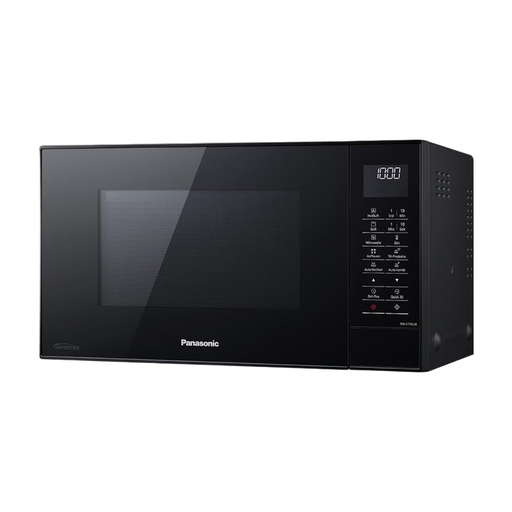 No image available
If you want to heat portions in a dish you already own, compare the stated turntable diameter with your dish.
The product name lists a 27L capacity, 1000W, grill, fan oven and inverter technology.
Place the appliance on a stable, heat-resistant surface and follow the specified ventilation clearances.
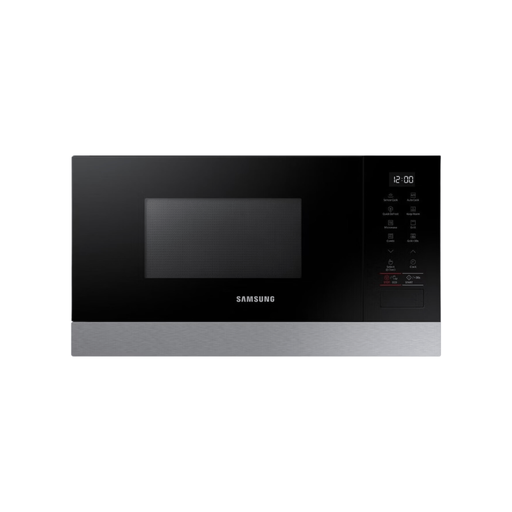 No image available
An option to consider if you want to reheat compote and also use a grill function.
The product name lists a 22L capacity and 900W microwave power.
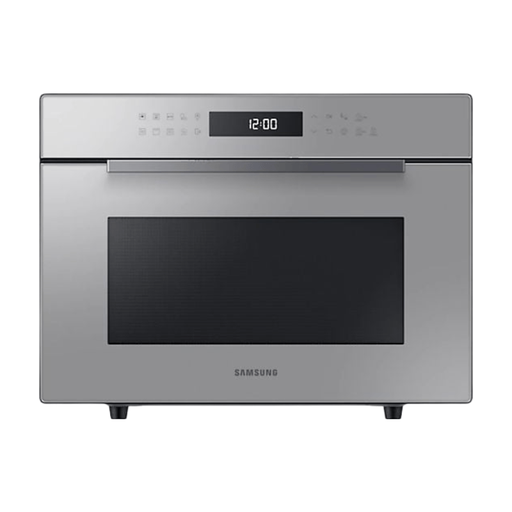 No image available
An option to compare if you want to reheat compote and also use larger oven dishes.
The product name lists a 35L capacity, 900W microwave power, and grill and oven functions.
The product information states that it can fit large square oven dishes when the turntable is switched off.
No, use the microwave function to reheat compote. The fan oven and grill are designed for other cooking purposes; check that the microwave setting on your chosen model works on its own.
Use a microwave-safe container, cover a small portion that’s as shallow as possible, and stir it while it heats. Heat the compote all the way through; stirring is important even if the microwave has a turntable. This is guidance from the Netherlands Nutrition Centre.
The Netherlands Nutrition Centre advises not leaving cooked food out of the fridge for more than two hours and keeping it chilled for no longer than two days; otherwise, freeze it. Reheat leftovers until piping hot all the way through, and don’t store leftovers again once they’ve been reheated.
In the Netherlands, you’re entitled to a product that does what you can reasonably expect it to do. If your claim is valid, the retailer must provide a solution. According to the Dutch Government, there is no fixed statutory warranty period: what you can reasonably expect depends, among other things, on the product and how it’s used.
Yes, the Netherlands Food and Consumer Product Safety Authority states that CE marking is compulsory for electrical products. The marking is the manufacturer’s declaration that the product meets the applicable requirements, not independent approval of a particular model’s heating performance.