
Vandaag of morgen in huis

Kwaliteit gegarandeerd

Welkomstaanbiedingen ontgrendelen: GRATIS bezorging | Tot 80% korting | Gratis 30 dagen JoyPlus-proefperiode
Download de app
Whether you're filling in an adult coloring book, keeping your kids creatively occupied, or creating serious art, the right colored pencils make all the difference. However, the market is flooded with sets that over-promise and under-deliver. Many people buy a large, impressive-looking colored pencil set only to find that the leads constantly break or the colors are dull. Let's look at the most common pitfalls and what you should really pay attention to.
Pitfall 1: The "professional" deception. Many sets are labeled "professional," but the quality of the pigments and core is often subpar. This leads to frustration when colors don't blend well or the artwork fades after a few months due to a lack of lightfastness.
Pitfall 2: The "more is better" trap. A set with 120 colors for a low price seems like a great deal. However, this often means the quality per pencil is low. The colors are weak, the core is brittle, and you end up using only a fraction of the pencils. A smaller set with high-quality pigments is usually far more versatile.
Pitfall 3: The wrong match for your paper. Not every pencil works well on every type of paper. For example, standard pencils can be disappointing on dark or colored paper. Without knowing this, you might think the pencils are poor quality when they're simply not suited for your specific project.
To avoid wasting your money, here are a few objective specifications you can check before purchasing a set of colored pencils for adults or children.
The core of the pencil determines the color laydown and break-resistance. Pay attention to the following:
Not all colored pencils are the same. The three main types are:
Good pigmentation means the pencil delivers a rich, vibrant color without you having to press hard. Lightfastness indicates how well the colors resist fading when exposed to light. For artwork you want to preserve or display, high lightfastness is crucial. Some manufacturers, like Faber-Castell, indicate this with a star rating system on the pencil itself.
Below are some popular choices matched with specific user profiles, based on their product features.
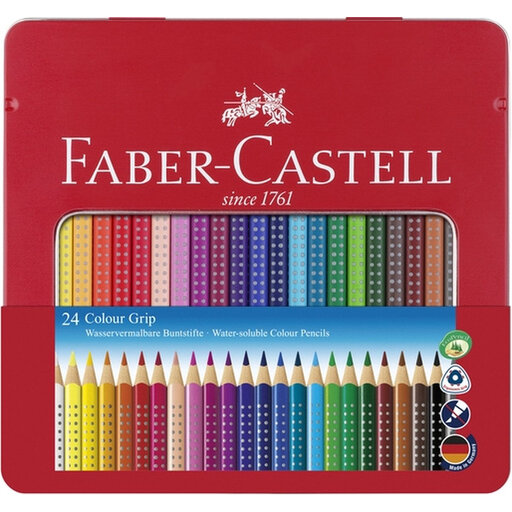
Why it's a great match: This set is designed with children in mind. The ergonomic triangular shape and patented Soft-Grip zone ensure the pencils fit comfortably in small hands and don't slip.
The special SV bonding prevents the pencil lead from constantly breaking, a common frustration with cheaper kids' sets.
The pigments are water-soluble, allowing kids to create fun watercolor effects. Plus, they are washable from most fabrics.
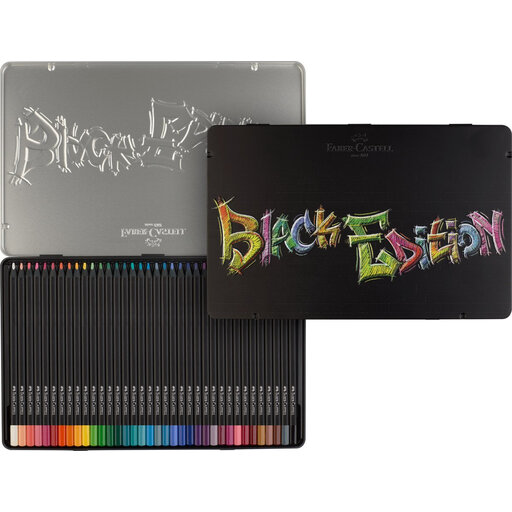
Why it's a great match: The Faber-Castell Black Edition is popular among hobbyists. The super-soft lead provides an incredibly smooth and gentle color laydown with bright colors, which is ideal for filling in coloring books or creating original drawings.
These pencils are specially designed to perform exceptionally well on dark and colored paper, avoiding the pitfall of dull colors on non-white surfaces.
The pencils are made from black wood and come in a stylish tin, giving them a premium feel. The triangular shape ensures comfort during long drawing sessions.
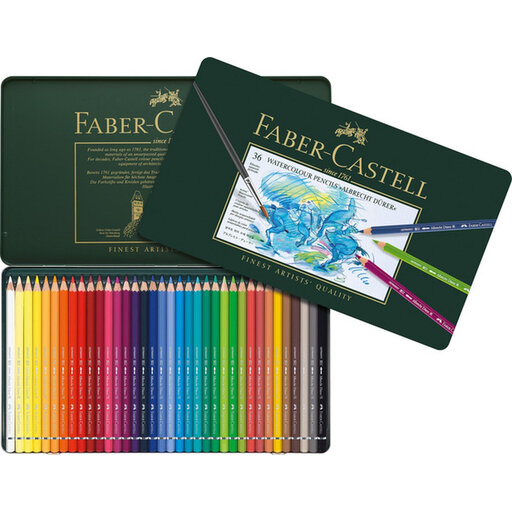
Why it's a great match: These are true artist-grade watercolor pencils. They offer high pigmentation, are fully water-soluble for professional watercolor effects, and have excellent lightfastness.
This set delivers on its "professional" promise with verifiable features, such as the lightfastness rating (star system) indicated on each pencil, unlike sets with vague marketing claims.
The 3.8 mm thick, break-resistant core and high-quality pigments allow for limitless blending possibilities, both wet and dry.
We've compiled a complete, up-to-date list of products that fully meet these strict selection criteria and UK regulations.
Wax-based pencils are generally softer, which makes them great for blending colors. They are also often more affordable. Oil-based pencils have a harder core, so they wear down more slowly and maintain a sharper point. This makes them ideal for detailed work. They are typically more durable and less prone to waxy buildup on the paper.
This is a common problem with lower-quality pencils. Opt for pencils with strong core bonding, like the SV bonding found in Faber-Castell colored pencils. Also, use a sharp, good-quality sharpener. A dull sharpener puts too much pressure on the wood and the core, leading to breakage. Sharpen with a gentle, rotating motion rather than with force.
Absolutely. Watercolor pencils function as normal, high-quality colored pencils when used dry. The ability to add water is an extra feature. You can create a drawing, leave some parts dry, and work on other areas with a wet brush to create watercolor effects. This makes them a very versatile choice for both beginners and advanced artists.
