
Vandaag of morgen in huis

Kwaliteit gegarandeerd

Welkomstaanbiedingen ontgrendelen: GRATIS bezorging | Tot 80% korting | Gratis 30 dagen JoyPlus-proefperiode
Download de app
Buying a collagen supplement may seem straightforward, but the differences between products can be significant. One pack may state a high amount of collagen per tub, while the recommended serving is much smaller. Other products combine collagen with vitamin C, hyaluronic acid or flavourings, making them harder to compare at a glance.
As a Joybuy Product Recommendation Officer, I focus primarily on verifiable information: origin, amount per daily serving, format, ingredients and allergens. This helps you avoid paying mainly for a marketing story.
A large number on the front tells you very little without knowing the serving size. For example, a tub may contain 284 grams but provide only 14 servings. Always check:
A collagen supplement providing 10 grams per serving may therefore work out cheaper or more expensive than a product providing 2.5 grams per serving.
Marine collagen comes from fish. This makes it important to read the allergen information, particularly if you have a fish allergy or want to avoid cross-contamination. Products containing collagen from cattle have a different origin. Also check whether a product is genuinely vegan. Collagen from eggshell membrane, for example, is not vegan, even though it is sometimes marketed as a vegetarian option.
Vitamin C has an authorised nutrition claim: vitamin C contributes to normal collagen formation for the normal function of the skin. This does not mean that every collagen product containing vitamin C works in the same way or is necessary for everyone. So check the exact amount and your total daily intake.
You should also regard claims about hair, skin and nails, hydration or joints as product information provided by the brand, rather than as a guaranteed personal result. According to the manufacturers’ own information, some products contain hyaluronic acid or biotin alongside collagen peptides, for example. These are product specifications, not medical promises.
Hydrolysed collagen and collagen peptides are terms for collagen that has been processed into smaller peptide forms. For your choice, the origin and amount per day are particularly important:
The packaging may state whether the product contains type 1 or type 3 collagen, but always compare this alongside the dosage and ingredients list.
The format mainly determines how easy it is to maintain a regular routine.
For powders, also check whether the pack includes a measuring scoop and whether it can be resealed properly. With liquid servings, pack size is important: ten sachets usually means ten uses.
If you are looking for collagen with vitamin C, it is worth comparing the amount per serving. Across the range, stated amounts vary from 12 mg to 500 mg per serving. More is not automatically necessary.
Also read the full ingredients list. Look out for:
Always follow the recommended dosage on the label and do not use a supplement as a replacement for a varied diet and healthy lifestyle.
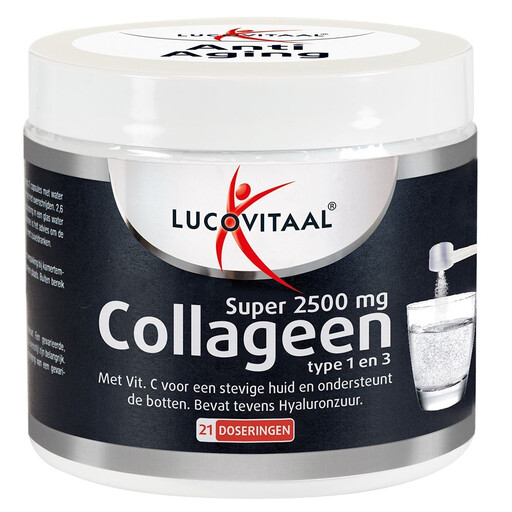
Why it suits this profile: The small pack with 21 servings is a clear option for anyone who wants to try collagen powder first. The product states that each serving contains 2,500 mg collagen peptides, 60 mg vitamin C and 20 mg hyaluronic acid.
The daily dosage and number of servings are clearly stated. This allows you to calculate the cost per use rather than looking only at the weight of the tub.
Powder format, 21 servings and, according to the product information, none of the 14 major EU allergens.
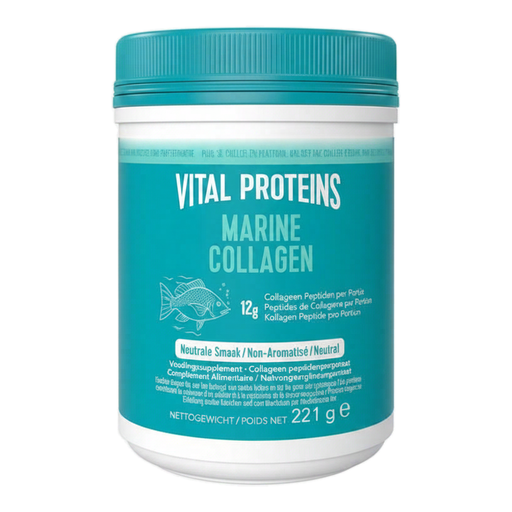
Why it suits this profile: According to the product information, this unflavoured marine version contains 12 grams of collagen peptides per serving and is intended to be mixed with hot or cold drinks, smoothies or food.
Its fish origin is clearly stated. This makes it immediately clear that it is not a bovine version and that anyone with a fish allergy should check the label carefully.
12 grams per serving, 18 servings, neutral taste and, according to the product information, gluten- and lactose-free.
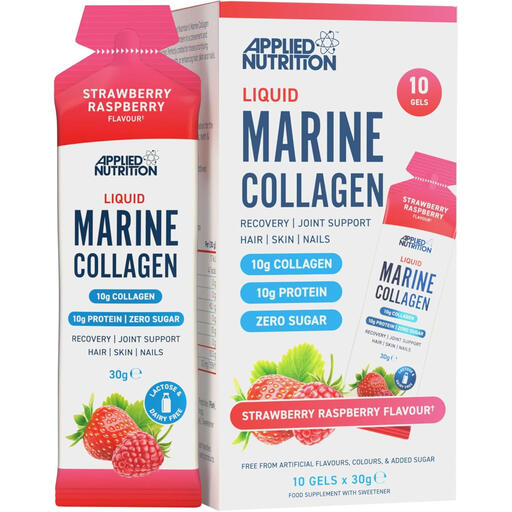
Why it suits this profile: Each 12-gram stick states that it contains 10 grams of marine collagen and 500 mg of vitamin C. The individual sticks are suitable for your gym bag, office or travels.
The packaging states the serving size per stick, the fish origin and that it can be used with hot or cold drinks. However, always check the current allergen information.
10 individual servings, 10 grams of marine collagen per serving, flavoured version and, according to the product information, free from fat and added sugars.
We have put together a complete, up-to-date list of products that fully meet these strict selection criteria and the applicable European safety regulations.
The shelf life is stated on the packaging. Once opened, powder should generally be kept tightly closed, dry and cool. Store liquid shots according to the label. Do not use a product after the stated date and follow the recommended daily dosage.
That depends on how you use it. Collagen powder often provides a larger serving per scoop and can be mixed into a drink or meal. Collagen tablets are more convenient if you do not want to mix anything, but may require two or three tablets a day. So compare milligrams per daily serving, not just the format.
No, marine collagen comes from fish. Products such as the Applied Nutrition and Vital Proteins marine versions state fish as their origin or allergen. Always check the current label before buying, particularly if you have allergies or intolerances.
