
Vandaag of morgen in huis

Kwaliteit gegarandeerd

Welkomstaanbiedingen ontgrendelen: GRATIS bezorging | Tot 80% korting | Gratis 30 dagen JoyPlus-proefperiode
Download de app
Buying a collagen supplement may seem straightforward, but product packaging can make comparisons difficult. One formula may list a large amount of collagen per tub, while the daily serving is much smaller. Another variant may contain vitamin C, hyaluronic acid or flavourings, but may not suit your allergies or dietary requirements.
For consumers in the Netherlands, three pitfalls are particularly important:
Below, you can find out which specifications to check and which format suits different situations.
Collagen in supplements usually comes from cattle, fish or an eggshell membrane source. Marine collagen is therefore not automatically suitable for someone with a fish allergy. Also check whether the label states ‘contains fish’ or ‘may contain milk’.
The term hydrolysed collagen or collagen peptides means that the collagen has been processed into smaller peptides. This says something about the form of the ingredient, but not automatically about the effects of the complete supplement. Therefore, focus your comparison on the amount per recommended daily dose.
Compare products based on milligrams or grams of collagen per daily dose, rather than just the number of tablets or the size of the tub. Here are some examples from the range:
A higher amount is not automatically a reason to choose one product over another. Also consider how easy it is to use, your budget and the recommended dosage.
A formula may be enriched with vitamin C, hyaluronic acid, biotin or minerals. According to the product information provided by the brands concerned, vitamin C contributes to normal collagen formation. This is a permitted nutrition claim, but it does not mean that the supplement treats medical conditions or guarantees visible results.
Also look out for:
If you are specifically looking for collagen with vitamin C or collagen with hyaluronic acid, check the exact amount in milligrams on the label. ‘With’ on its own says nothing about the concentration.
Collagen powder is practical if you want to mix it with water, coffee, tea, a smoothie or yoghurt. An unflavoured version gives you more flexibility, while fruity flavours may increase the need for additional ingredients. Bear in mind that powder can clump in very cold water; some product information therefore recommends using liquid at room temperature.
Collagen tablets are easy to take with you and have no flavour. On the other hand, you may need to take several tablets a day. Check whether the total amount of collagen per day is higher or lower than with a powder.
Collagen gummies are suitable for anyone who does not want to mix powder or swallow tablets. They often contain additional vitamins and minerals, but generally provide less collagen per daily serving than powders. For example, Davitamon lists 500 mg of collagen per two gummies. According to the product information, excessive consumption may have a laxative effect.
Liquid collagen is ready to use and does not require a shaker or measuring spoon. This is convenient when you are out and about, but check the serving size, flavourings, sweeteners and preservatives. According to the product information, Applied Nutrition sachets contain 10.3 grams of hydrolysed marine collagen peptides per serving.
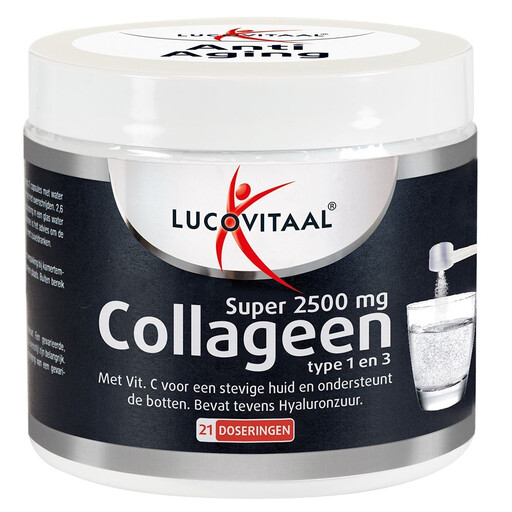
Why it suits this profile: The small pack with 21 doses is suitable if you want to try a powder first without buying a large supply straight away.
The product information lists 2,500 mg of collagen, 60 mg of vitamin C and 20 mg of hyaluronic acid per dose, allowing you to compare the composition in specific terms.
21 servings, powder format and, according to the product information, free from the 14 main EU allergens.
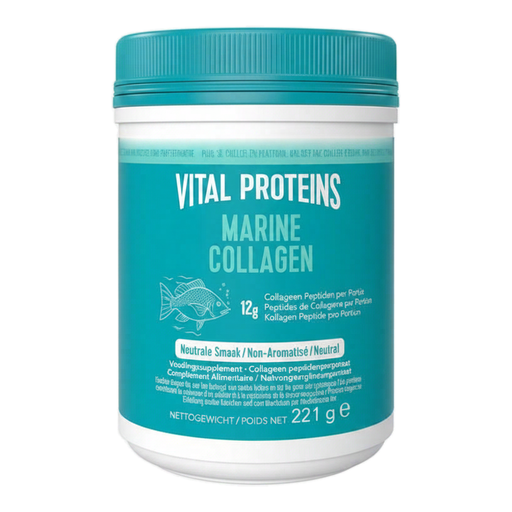
Why it suits this profile: This unflavoured marine option is suitable for adults who prefer fish collagen and a simple formula.
The source, white fish, and the fish allergen are stated, so you can tailor your choice to your diet and allergies.
12 grams of collagen per serving, 18 servings and an unsweetened, unflavoured powder.
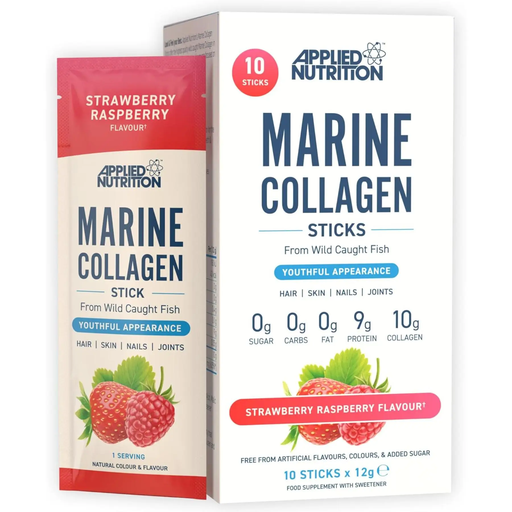
Why it suits this profile: The individual sachets are convenient for athletes and anyone who wants to take a flavoured drink to work, training or on the go.
The packaging states 10 grams of marine collagen and 500 mg of vitamin C per serving. It also clearly indicates that the product contains fish.
10 sachets, strawberry and raspberry flavour and, according to the product information, 0 grams of fat and no added sugar.
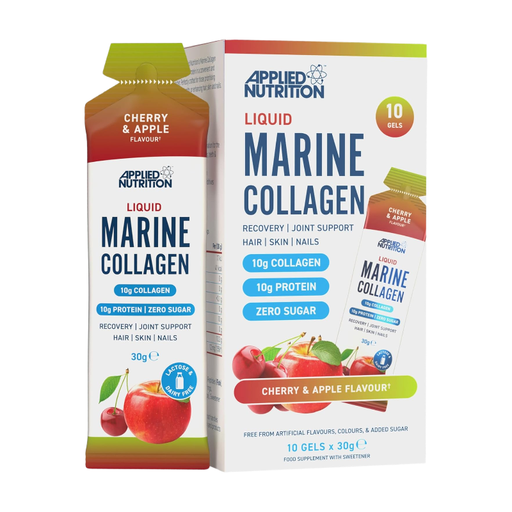
Why it suits this profile: The ready-to-use sachets are suitable for anyone who does not want to use powder, a shaker or a measuring spoon.
The serving is pre-measured: according to the product information, one sachet contains 10.3 grams of hydrolysed marine collagen and 12 mg of vitamin C.
Ready to use, 10 servings per pack and, according to the product information, 0 grams of sugar and 0 grams of fat per serving.
We have put together a complete, up-to-date list of products that fully meet these strict selection criteria and the applicable European safety regulations.
That depends on the contents and the recommended daily dosage. Vital Proteins Collagen Peptides Natural contains 284 grams and 14 servings at 20 grams per day. A smaller Lucovitaal pack contains 21 doses of 2.6 grams. Always compare the number of complete servings, rather than just the weight shown on the front.
No, marine collagen comes from fish. Products such as Applied Nutrition Marine Collagen and Vital Proteins Marine Collagen list fish as an allergen. If you have an allergy, always read the current packaging, including warnings about possible cross-contamination.
This is possible within the product’s recommended dosage. Some formulas already contain these ingredients, such as Lucovitaal Super Collagen and various marine collagen products. Add up your total intake from all supplements and, if you are pregnant, breastfeeding, taking medication or have a medical condition, ask a doctor or another healthcare professional for advice. Food supplements should not replace a varied diet and healthy lifestyle.
