
Vandaag of morgen in huis

Kwaliteit gegarandeerd

Welkomstaanbiedingen ontgrendelen: GRATIS bezorging | Tot 80% korting | Gratis 30 dagen JoyPlus-proefperiode
Download de app
A collagen face mask can be a simple addition to your skincare routine. However, it can be difficult to distinguish between marketing claims. One formula may be designed as a quick sheet mask, while another may be a face gel mask or hydrating overnight mask. Skin needs also vary: dry skin usually benefits from moisture-retaining ingredients, while dull-looking skin may benefit more from a formula containing ingredients such as niacinamide.
As a Joybuy Product Recommendation Officer, I focus mainly on verifiable information: texture, size, recommended usage time, ingredients and the number of masks per pack. This helps you avoid paying for a product that does not suit your routine.
The word collagen sounds appealing, but on its own it says little about a product’s overall performance. Look at the full ingredients list. Glycerine, hyaluronic acid and sodium hyaluronate are often used to attract and retain moisture. Other formulas contain niacinamide, peptides or plant extracts.
Also check the type of collagen. Some products mention soluble, hydrolysed, plant-based or fermented collagen. These are different descriptions and are not, by themselves, a reason to expect a long-lasting firming effect. Claims about elasticity or a fuller-looking complexion come from the brand’s product description, so consider them product information rather than a guaranteed result.
A collagen sheet mask that stays on for 10 to 20 minutes works well with a short evening routine. Hydrogel masks that can be left on for several hours or overnight require more planning. A mask may move while you sleep or feel sticky if the texture does not suit your skin or preferences.
Before buying, check:
Do not compare only the price of a jar or box; also consider the size and number of applications. A 50 or 60 ml jar can be used several times, while a box containing four or ten individual masks provides a fixed amount per treatment. Also check the expiry date and the period-after-opening information on the packaging.
For dehydrated or dry skin, it is worth looking at ingredients such as glycerine, hyaluronic acid, squalane and panthenol. They affect not only how a hydrating face mask feels, but also how well it fits into your existing routine.
If you are looking for a glow face mask, you may want to look for niacinamide, rice extract or fruit extracts. According to the product descriptions of certain brands, these ingredients support a more radiant-looking complexion. This is a cosmetic product claim, not a medical effect.
A fragranced formula may smell pleasant, but it is not suitable for everyone. Check the ingredients list if you have sensitive skin or prefer to avoid fragrance. If in doubt, test the product on a small area of skin first and stop using it if you experience redness, swelling, itching or irritation.
Cosmetics sold in the European Union should include mandatory product information such as ingredients, warnings, expiry details and the details of the responsible party. Always check the packaging and follow the official instructions for use.
Apply a mask to a cleansed face, avoid direct contact with the eyes and do not use it on damaged or irritated skin. A collagen mask does not replace daily cleansing, moisturiser or sun protection.
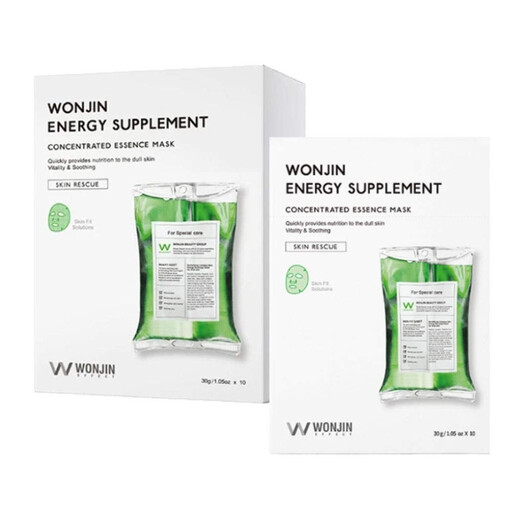
Why it suits this profile: The pack contains 10 individual masks. With a recommended usage time of 10 to 20 minutes, it is an accessible way to try a Korean skincare mask as part of your routine.
The short leave-on time means you are not immediately tied to an overnight mask. The product description mentions hyaluronic acid and a complex of 36 ingredients; check the packaging for the full, current formulation.
10 masks per pack; 10–20-minute usage time; made in Korea according to the product information.
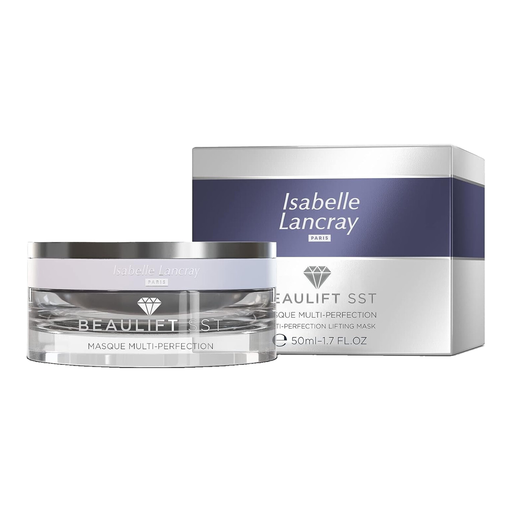
Why it suits this profile: According to the product details, this rich cream mask is designed for normal to dry skin and as an overnight treatment. It suits anyone looking for a nourishing mask in a jar or tube rather than individual sheets.
The ingredients list is available and includes glycerine, squalane and sodium hyaluronate. This allows you to assess the formulation rather than relying solely on the term ‘lifting’.
50 ml size; rich cream texture; product details name normal and dry skin as the target audience.
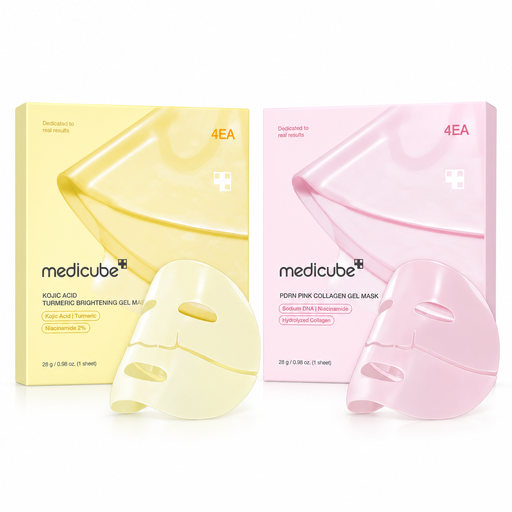
Why it suits this profile: The set combines four Kojic Acid Turmeric masks with four PDRN Pink Collagen masks. This means you can alternate between care for a dull-looking complexion and extra hydration or firming care.
The two formulas have clearly different purposes. According to the product description, the PDRN version contains PDRN, hydrolysed collagen and niacinamide; check the current packaging for details.
8 hydrogel masks in total; two targeted formulas; suitable for alternating use as part of an intensive routine.
We have compiled a complete, up-to-date list of products that fully meet these strict selection criteria and the applicable European safety regulations.
Use a firming face mask mainly as a supplement, not as a replacement for your daily skincare. If a product is recommended two to three times a week, regular and correct use is more important than leaving it on for extra time.
A mask can temporarily make the skin look smoother, softer or plumper by adding moisture and a nourishing layer to the skin’s surface. A lasting reduction in wrinkles cannot be guaranteed based on the product name. Brands’ claims about collagen production, regeneration or anti-ageing should be understood as brand claims. According to the relevant brand’s own research, these may be linked to additional results; check the source and terms of use.
This varies from product to product. Many sheet and gel masks recommend using them 2 to 3 times a week, while a rich cream mask can be used as a weekly overnight treatment. Always follow the label. Stop using the product if you experience irritation, redness or a tight feeling.
Dry skin may benefit from a hydrating face mask containing ingredients such as glycerine, hyaluronic acid or squalane. If you have sensitive skin, it is wise to check carefully for fragrance, exfoliating acids and unfamiliar active ingredients. Choose a short leave-on time, test the product on a small area first and consult a dermatologist if symptoms persist.
