
Vandaag of morgen in huis

Kwaliteit gegarandeerd

Welkomstaanbiedingen ontgrendelen: GRATIS bezorging | Tot 80% korting | Gratis 30 dagen JoyPlus-proefperiode
Download de app
A collagen supplement may seem simple to choose: powder, a stick or a ready-to-use gel. Yet products vary considerably in origin, dosage, flavour and composition. Attractive packaging tells you little about the amount of collagen per serving.
If you only focus on terms such as “beauty”, “premium” or “keto”, you may end up paying for extra ingredients that do not suit your own diet. Use this practical checklist to compare collagen powder, marine collagen and collagen sticks based on verifiable product information.
Always compare the amount of collagen per recommended serving, rather than just the total weight. For example, a 284-gram pack may contain 14 servings at a dosage of 20 grams. A smaller pack may actually provide more daily doses if the dosage is lower.
Also pay attention to the difference between:
According to the authorised European nutrition claim, vitamin C contributes to normal collagen formation. This makes the amount relevant, but it is not a reason to automatically choose a product with a very high dosage.
The amount varies across the range. For example, Lucovitaal lists 60 mg of vitamin C per serving, while Applied Nutrition Marine Collagen Strawberry Lemonade lists 500 mg per stick. Also check whether the flavoured version has the same composition as the unflavoured version.
Marine collagen comes from fish. This also applies when the product is sold as powder, sticks or liquid collagen. Always check the allergen information and the current packaging.
Bovine collagen comes from cattle and may be a better option for anyone who wants to avoid fish. However, it is not automatically suitable for every consumer: also check for possible traces of milk, soya or other allergens.
The term collagen peptides refers to processed collagen chains that can easily be added to drinks or food. Look at the source:
According to information provided by Applied Nutrition, its marine collagen comes from wild-caught fish. With every purchase, check that the source, allergens and ingredients still match the product packaging.
A product with 2,500 mg of collagen per serving is not directly comparable with a product containing 10 or 20 grams. Therefore, calculate the price per gram of collagen:
A lower dosage may be practical if you are looking for a small daily supplement. Higher dosages may be more suitable for athletes who want to combine collagen with their protein intake, but always follow the recommended directions for use.
If you follow a low-calorie or keto diet, do not just look for “sugar-free”. Also check:
Applied Nutrition Marine Collagen lists 0.1 grams of sugar per serving in the Strawberry Lemonade and Cherry & Apple varieties and uses sucralose. The liquid varieties list 0 grams of sugar and less than 0.1 grams of carbohydrates per serving. According to the product information, the Keto Beauty Support Formula contains 0 grams of carbohydrates and combines bovine collagen with MCT from coconut oil.
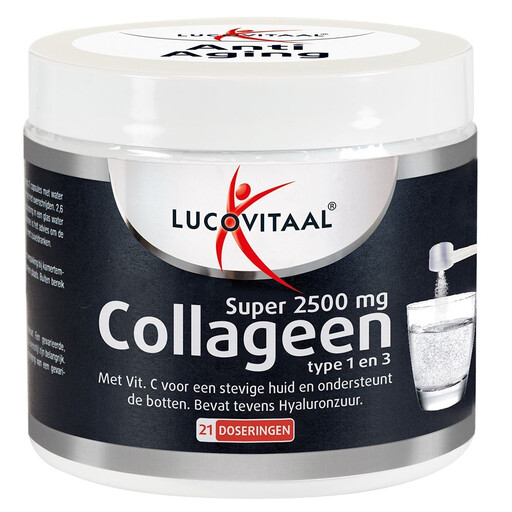
Why it suits this profile: The tub contains 21 doses of 2.6 grams, making it a straightforward option for anyone trying collagen powder for the first time. The unflavoured powder can be dissolved in water or fruit juice.
The packaging states both the serving size and the amounts of collagen, vitamin C and hyaluronic acid. This means you are not comparing products based on pack size alone.
21 doses, 2,500 mg of collagen per dose and 60 mg of vitamin C according to the product information. The ingredients list does not include any of the 14 main EU allergens.
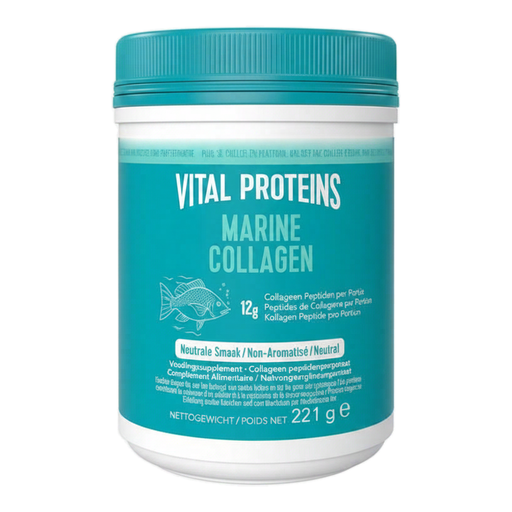
Why it suits this profile: According to the product information, this unflavoured marine collagen contains 12 grams of collagen per serving and can be added to hot or cold drinks, smoothies and food.
The fish source and allergens are clearly stated. This means the product is not suitable for people with a fish allergy, but is easy for other users to assess.
18 servings, 12 grams of collagen and 11 grams of protein per serving according to the stated composition. The product is described as gluten-free and lactose-free.
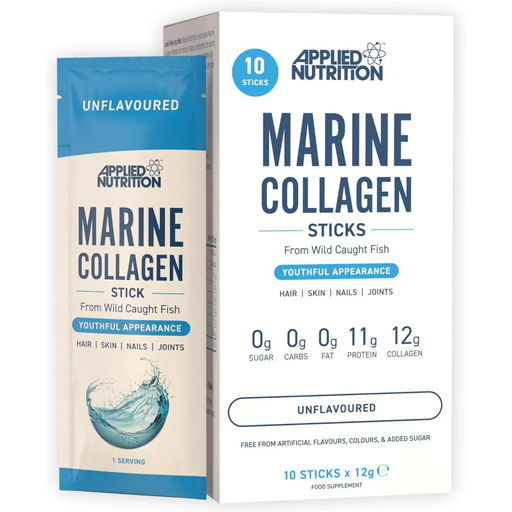
Why it suits this profile: The individual sticks are convenient for sport, work and travelling. According to the product information, each stick contains 12 grams of marine collagen and can be mixed with water, juice or a hot drink.
The pre-measured portions mean you do not need to take a large measuring scoop with you. However, check the fish allergens and current packaging before use.
10 sticks per pack, unflavoured and, according to the product information, free from sugar, fat, gluten, soya and dairy.
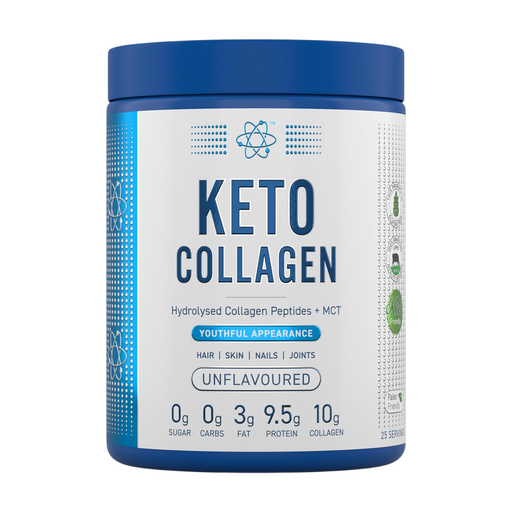
Why it suits this profile: According to the product information, the formula combines 10 grams of hydrolysed bovine collagen with 3 grams of MCT per serving. The unflavoured powder works well in coffee, smoothies or recipes.
The nutritional values show the collagen and MCT amounts separately. This makes it clear that “keto” is not just a marketing label here, but relates to 0 grams of carbohydrates per serving according to the product information.
325 grams of product, unflavoured, with 0 grams of sugar and 0 grams of carbohydrates per serving according to the stated nutritional information. Contains bovine collagen and coconut MCT.
We have put together a complete, up-to-date list of products that fully meet these strict selection criteria and the applicable European safety requirements.
Follow the recommended daily amount stated on the label. A supplement is not a substitute for a varied diet and healthy lifestyle. Store powder in a dry place and keep it tightly sealed. Store liquid sachets and jelly products according to the packaging instructions.
Are you pregnant, breastfeeding, taking medication or living with a medical condition? Consult a doctor or another qualified healthcare professional before use. If you have an allergy, always check the current ingredients list, even if you have bought the same product before.
The use-by date is stated on the packaging. Additional storage instructions may apply after opening. Use the product within the recommended period and do not exceed the daily dosage.
That depends on your routine. Collagen powder is often versatile for coffee, tea and smoothies. Liquid collagen is ready to use and does not need to be mixed. Above all, compare the amount of collagen, price per serving and nutritional values.
Look at the total carbohydrates and sugar per serving. According to the product information, some products are sugar-free but still contain sweeteners. A formula with MCT may provide extra fat, while a marine collagen stick may contain very few calories. Always check the label of the variant you choose.
