
Vandaag of morgen in huis

Kwaliteit gegarandeerd

Welkomstaanbiedingen ontgrendelen: GRATIS bezorging | Tot 80% korting | Gratis 30 dagen JoyPlus-proefperiode
Download de app
A collagen supplement may seem easy to choose at first glance. However, products can differ considerably in their source, collagen content, ease of use and added ingredients. If you focus only on eye-catching packaging or words such as “beauty” and “premium”, you could end up paying for a small dose or a formula that does not suit your diet.
These points will help you separate marketing claims from verifiable product information.
Always compare the amount of collagen per recommended daily dose, rather than just the total weight of the container. For example, a 200-gram tub of collagen powder may last for a different length of time than a pack containing 60 tablets. Also check the number of doses and, if necessary, calculate the cost per day.
Collagen naturally comes from animal sources such as beef, fish or chicken. A product containing collagen from egg membrane is therefore not vegan, even if the packaging presents it as suitable for vegetarians. So check the ingredients and allergens carefully. Marine collagen will generally list fish explicitly.
Many formulas contain collagen with vitamin C, hyaluronic acid, biotin or minerals. This can be useful if you want to combine several nutrients, but check the dosages and your existing supplements first. According to the brands’ product information, vitamin C contributes to normal collagen formation. This is an authorised nutrition claim; it is not a guarantee of visible results.
The source mainly determines whether a product suits your dietary preferences and allergies:
The term hydrolysed collagen, or collagen hydrolysate, refers to collagen that has been broken down into smaller peptide chains. Also check how many grams or milligrams of this are actually present per daily dose.
A product may come in a generously sized pack yet still provide very little collagen per serving. In the product information supplied, dosages range from 500 mg per daily dose in Davitamon gummies to 20 grams per serving in Vital Proteins Collagen Peptides Natural.
Pay attention to the difference between:
A supplement for skin, hair and nails may also contain mainly vitamins and minerals, with only a limited amount of collagen. That does not necessarily make it unsuitable, but it does make it different from a concentrated collagen powder.
Choose a format that you can stick to every day:
Check the label for milk, fish, egg, shellfish, soya and gluten, among other ingredients. “Gluten-free” or “lactose-free” does not automatically mean free from all allergens.
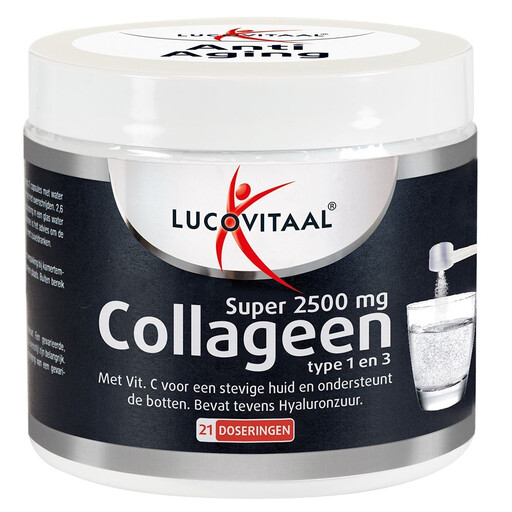
Why it suits this profile: This small pack is a straightforward option for anyone who wants to try collagen powder first. According to the product information, each daily serving contains 2,500 mg of collagen peptides, 60 mg of vitamin C and 20 mg of hyaluronic acid.
The amount of collagen, number of doses and additional ingredients are clearly stated. This allows you to check the daily dose rather than judging the product by its packaging alone.
Powder format, 21 doses and, according to the product information, free from the 14 main EU allergens. Not vegan.
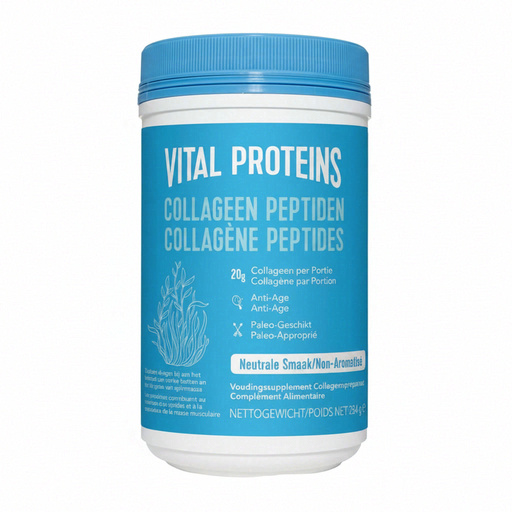
Why it suits this profile: According to the product description, the formula contains just one ingredient: 20 grams of bovine collagen peptides per serving. The powder is unflavoured and suitable for hot and cold drinks or dishes.
The high amount per stated serving is easy to verify. No flavourings or additional beauty ingredients have been added to make the formula more complicated.
20 grams of collagen peptides per serving, unflavoured, gluten-free and suitable for mixing with food or drinks. May contain milk.
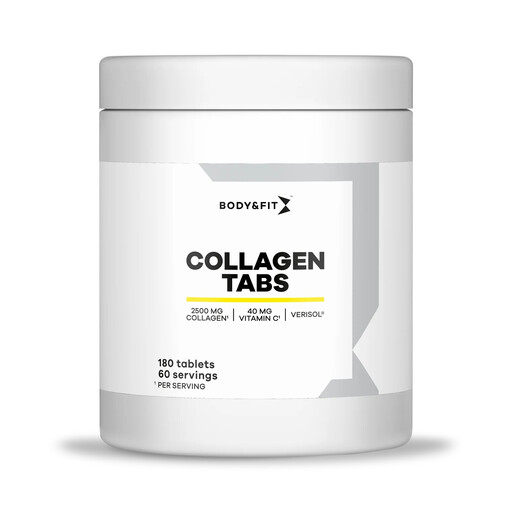
Why it suits this profile: Tablets are convenient for maintaining a consistent daily routine. According to the product information, three tablets provide 2,500 mg of Verisol collagen hydrolysate and 40 mg of vitamin C.
The dosage is specified for three tablets. This prevents you from confusing the amount per tablet with the full daily dose.
180 tablets, 60 stated servings and a combination of collagen hydrolysate and vitamin C. The source is bovine.
We have put together a complete, up-to-date list of products that fully meet these strict selection criteria and the applicable European safety regulations.
Choose collagen powder if you want to adjust the dosage flexibly and mix the product into coffee, water or a smoothie. An unflavoured option means you do not have to commit to a particular taste every day.
Collagen tablets are better suited to a set routine without any mixing. However, check how many tablets you need to take each day. If the dosage per tablet is low, your daily intake may consist of several tablets.
Collagen gummies are easy to use and often appealing to people who find tablets difficult to swallow. According to the product information, Davitamon Beauty Gummies contain 500 mg of collagen per two gummies, as well as gelatine. Also look out for maltitol and other sweeteners; excessive consumption may have a laxative effect.
If you are looking for a fish-based option, you can compare marine collagen with a bovine formula. According to the product information, Vital Proteins Marine Collagen contains 12 grams of fish collagen peptides per serving and is gluten-free and lactose-free. However, the product contains fish and may contain milk.
Follow the recommended daily dose on the label and do not use a supplement as a substitute for a varied diet. Check the best-before date, close the container securely and follow the storage instructions. If you are pregnant or breastfeeding, take medication, have an allergy or have a medical condition, it is advisable to consult a doctor or pharmacist.
Pay particular attention to combinations. A multivitamin with collagen may already contain vitamin C, zinc, iron or other substances. So do not automatically combine several products containing the same ingredients.
The length of use depends on the pack size and recommended dosage. A tub containing 14 servings will run out sooner than a pack with 60 tablet doses. Use the stated dosage and focus mainly on whether the format and routine remain practical for you. A supplement is not a substitute for a healthy lifestyle.
That depends on your daily habits. Powder often allows for a larger serving and can be mixed into drinks or food. Tablets are easier to take with you, but may require several tablets or dosing occasions per day. So compare the total daily dose, not just the product format.
Start by looking at the complete formula. Some products contain mainly collagen, while others are supplemented with vitamin C, biotin, zinc or hyaluronic acid. According to the product information, vitamin C, biotin and zinc contribute to specific normal bodily functions, but these claims do not guarantee personal results. Choose a product whose source, dosage and allergens suit your circumstances.
