
Vandaag of morgen in huis

Kwaliteit gegarandeerd

Welkomstaanbiedingen ontgrendelen: GRATIS bezorging | Tot 80% korting | Gratis 30 dagen JoyPlus-proefperiode
Download de app
At first glance, choosing a collagen supplement seems straightforward. However, products vary significantly in collagen source, amount per daily serving, additional ingredients and format. A low price doesn't always reflect the cost per daily portion either.
If you're looking for collagen to support skin elasticity, hair and nails, or general bodily wellbeing, it's worth checking the label first. Marketing terms like "high potency", "beauty complex" or "fast absorption" tell you very little about the product without a specific dosage.
A tub with a high gram weight might seem good value, but the number of daily servings matters more. Vital Proteins Collagen Peptides Natural, for example, contains 284 grams and 14 servings. The recommended daily dose is 20 grams. A smaller pack could actually last longer if the daily serving is lower.
So compare:
More collagen isn't automatically the right choice. A powder with 20 grams per serving suits someone who deliberately wants a higher amount of protein and collagen peptides. A tablet with 2,000 mg of hydrolysed collagen can be more practical for daily use without any mixing.
Also pay attention to the format. Hydrolysed collagen consists of smaller peptides according to the product description. This often makes it suitable for powders, tablets and liquid shots, but it's no guarantee of a specific personal result.
A product with vitamin C, biotin or hyaluronic acid might look appealing, but always check the exact amounts. With collagen containing vitamin C, the label will state how much vitamin C is present per serving and what percentage of the reference intake this represents.
According to the permitted European health claim, vitamin C contributes to normal collagen formation. That doesn't mean every collagen supplement automatically has a visible effect on skin, hair or nails. Product claims from brands should therefore be read as information from the manufacturer, not as a personal guarantee.
The source mainly determines whether the product suits your dietary choices and allergies.
Compare the dosage per recommended daily use, not just the total contents of the pack. Examples from the range:
Also check whether the amount refers to one tablet, several tablets or a whole sachet. This way you avoid comparing a product requiring three tablets a day with one where a single serving is one scoop.
The best format depends on your routine. A collagen powder can be added to water, coffee, smoothies or food. Tablets are easy to take on the go, but a daily dose may consist of several pieces. Gummies and shots are ready to use, but check for sweeteners, flavourings and storage instructions.
Also look out for:
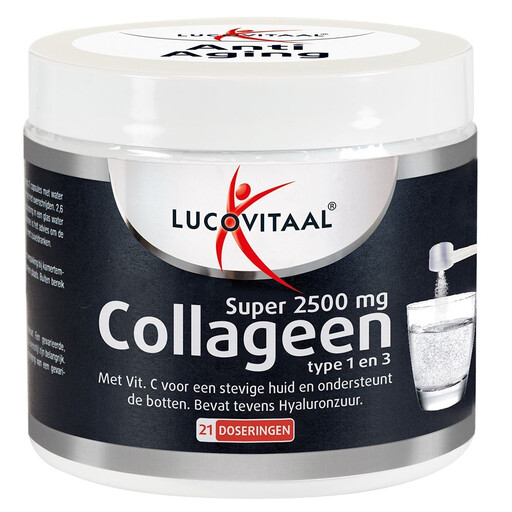
Why this fits the profile: The servings are clearly described in advance and the powder can be mixed daily with around 250 ml of water or fruit juice.
The label states 21 doses and per serving 2,500 mg of collagen peptides, 60 mg of vitamin C and 20 mg of hyaluronic acid.
Powder format, 21 pre-measured servings and a combination with vitamin C and hyaluronic acid.
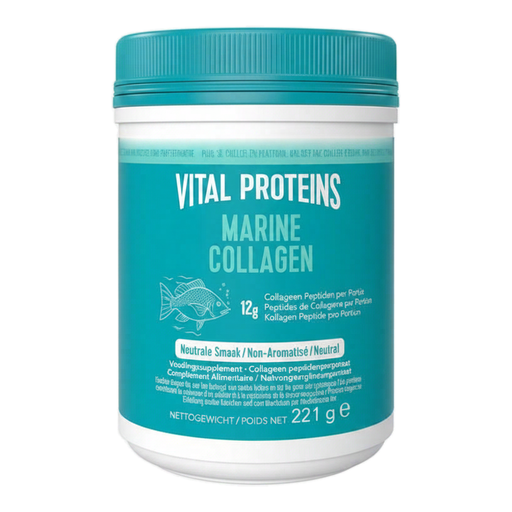
Why this fits the profile: This choice is aimed at users who deliberately seek marine collagen and a neutral powder format.
The source is listed as fish and the pack contains 18 servings, so you can check the daily amount.
12 grams of collagen per serving, unsweetened variant and suitable for hot or cold drinks.
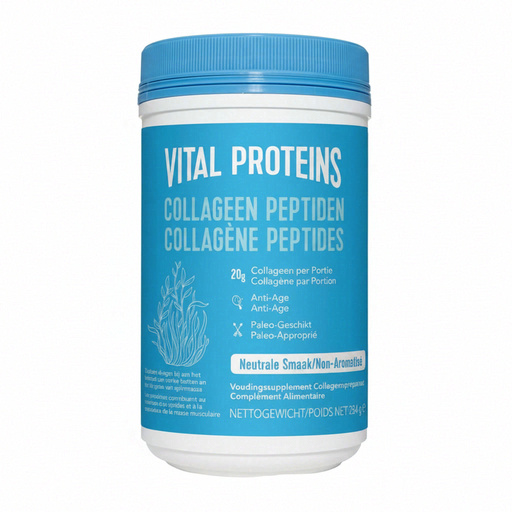
Why this fits the profile: The high serving suits active users who want to add collagen peptides to shakes, smoothies or food.
The composition consists of one ingredient: bovine collagen peptides. The recommended serving of 20 grams is clearly stated.
20 grams of collagen peptides per serving, 18 grams of protein and a neutral taste.
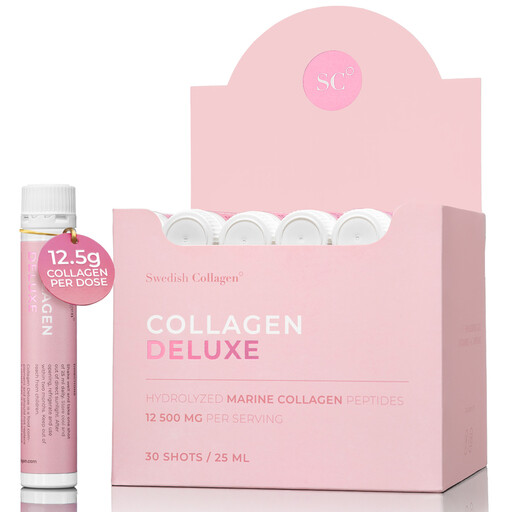
Why this fits the profile: The pre-dosed shots are ideal for anyone who doesn't want to measure or mix powder on the go.
Each serving is 25 ml and contains, according to the product information, 12,500 mg of hydrolysed marine collagen. The presence of fish is listed as an allergen.
30 ready-to-drink shots and a formula with hyaluronic acid, vitamin C, biotin and vitamin D.
We've put together a full, up-to-date list of products that fully meet these strict selection criteria and comply with current European safety regulations.
That depends on the pack size and the recommended daily dose. A tub with 14 servings will last around two weeks with daily use. A pack of 60 tablets, for example, could last 20 days if the dosage is three tablets per day. Always look at the number of full servings, not just the net weight.
Powder often makes a higher dosage easier and can be mixed with drinks or food. Tablets are better for taking on the go and require no preparation, but you may need to take several tablets a day. Choose the format you can use consistently.
First check your total intake from all products. Stacking can occur, especially with multivitamins, biotin and minerals. Follow the recommended daily dosage on the label. If you're taking medication, pregnant or breastfeeding, consult a doctor or pharmacist before using a supplement. Supplements are not a substitute for a varied diet and a healthy lifestyle.
